This information is for educational purposes only. It is not intended as medical advice. Always consult a qualified healthcare professional.
Rx
Amifampridine SERB
10 mg, Tabletki
INN: Amifampridinum
Data updated: 2026-04-13
Available in:
🇨🇿🇩🇪🇬🇧🇫🇷🇵🇱🇵🇹🇸🇰🇺🇦
Form
Tabletki
Dosage
10 mg
Route
doustna
Storage
—
About This Product
User Reviews
Reviews reflect personal experiences and are not medical advice. Always consult your doctor.
Manufacturer
SERB S.A. (Niemcy)
Composition
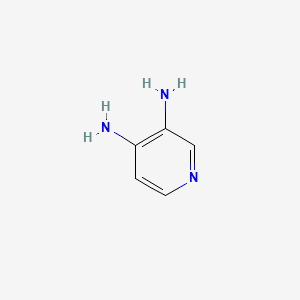
Amifampridinum 10 mg
ATC Code
N07XX05
Source
URPL
Pharmacotherapeutic group: other nervous system drugs, ATC code: N07XX05.
Mechanism of action
Amifampridine blocks voltage-dependent potassium channels, thereby prolonging pre-synaptic cell membrane depolarisation. Prolonging the action potential enhances the transport of calcium into the nerve ending. The resulting increase in intra-cellular calcium concentrations facilitates exocytosis of acetylcholine-containing vesicles, which in turn enhances neuromuscular transmission.
It improves muscle strength and resting compound muscle action potential (CMAP) amplitudes with an overall weighted mean difference of 1.69 mV (95% CI 0.60 to 2.77).
Pharmacodynamic effects
The pharmacodynamic profile of amifampridine has been studied for a range of doses. A prospective, placebo-controlled, randomised study in 26 patients with Lambert-Eaton myasthenic syndrome (LEMS) reported clinical efficacy for amifampridine at the standard recommended maximum dose of 60 mg/day (Sanders
et al
2000). Two further studies in a total of 57 patients with LEMS have reported data from higher doses of amifampridine. McEvoy
et al
1989 reported data from a short-term study in 12 patients with LEMS, which demonstrated that administration of amifampridine at doses up to 100 mg/day for a period of 3 days was effective in treating the autonomic and motor symptoms of LEMS. Sanders
et al
1998 presented data on efficacy and safety of amifampridine treatment at doses up to 100 mg/day in 45 patients with LEMS who were treated for an average of 31 months. Therefore, in exceptional circumstances higher doses up to a maximum of 80 mg/day may be of benefit when given with the appropriate safety monitoring. It is recommended that dose titration from 60 mg/day to 80 mg/day is performed in 5 mg increments every 7 days. Upward dose titration should be discontinued if any adverse reaction or ECG abnormality is observed.
The effect of a single dose of 30 mg or 60 mg of amifampridine phosphate was used to evaluate the pharmacokinetic-QTc relationship of amifampridine concentration on cardiac repolarization exposure in healthy volunteers. This evaluation was conducted in a Phase 1, double-blind, randomized, crossover study to define the ECG effects of amifampridine phosphate at these doses compared to placebo and moxifloxacin (a positive control) in healthy men and women who are slow acetylators (n=52). There was no effect of amifampridine phosphate on heart rate, atrioventricular conduction or cardiac depolarization as measured by the heart rate, PR and QRS interval durations. No subjects developed new clinically relevant ECG morphological changes following administration of amifampridine phosphate. No effect was observed of amifampridine phosphate on cardiac repolarization as assessed using the QTc interval.
Clinical efficacy and safety
A double-blind, placebo-controlled, randomized withdrawal Study to evaluate the efficacy and safety of amifampridine phosphate in Patients with LEMS was conduct in adult patients 18 years of age or older (n=26). The patients were maintained on a stable dose and frequency of amifampridine phosphate for at least 7 days prior to randomization. In this four-day study, patients were randomized (1:1) to amifampridine phosphate (at patient's optimal dose) or placebo on Day 0. Baseline assessments were obtained on day 0. The primary endpoints were change from baseline (CFB) in Patient Global Impression (SGI) and Quantitative Myasthenia Gravis (QMG) score at Day 4. A secondary efficacy endpoint was the change from baseline at Day 4 in CGI-I score, which was determined by treating physicians. Patients were allowed to use stable doses of peripherally acting cholinesterase inhibitors or corticosteroids. Patients with recent use of immunomodulatory therapies (e.g., azathioprine, mycophenolate, cyclosporine), rituximab, intravenous immunoglobulin G, and plasmapheresis were excluded from the study. Patients had a median age of 55.5 years (range: 31 to 75 years) and 62% were female and 38% were male.
Following the 4-day double-blind discontinuation period, patients treated with amifampridine phosphate maintained muscle strength compared to patients treated with placebo who showed worsening of muscle strength. Observed mean difference in QMG Total and SGI change from baseline score between treatments were -6.54 (95% CI: -9.78, -3.29; p=0.0004) and 2.95 (95% CI: 1.53, 4.38; p=0.0003) respectively, both statistically significant in favour of amifampridine phosphate. In addition, CGI-I scores at day 4 as determined by physicians showed significant improvement in patients remaining on amifampridine phosphate compared to placebo (p=0.0020).
Summary of Changes in Primary and Secondary Efficacy Endpoints from Baseline
Assessment
Amifampridine (n=13)
Placebo (n=13)
QMG Scores
a
LS Mean
d
0.00
6.54
LS Mean Diff (95% CI)
-6.54 (-9.78, -3.29)
p-value
d
0.0004
SGI Scores
b
LS Mean
d
-0.64
-3.59
LS Mean Diff (95% CI)
2.95 (1.53, 4.38)
p-value
d
0.0003
CGI-I Scores
c
Mean (SD)
3.8 (0.80)
5.5 (1.27)
p-value
e
0.0020
a
Total QMG score range 0 – 39, 13 items, 0-3 points on each test. The more points = worse symptoms.
b
SGI is a 7-point scale which rates the global impression of the effects of study treatment (1=terrible to 7=delighted).
c
CGI-I is a 7-point scale based on changes in symptoms, behaviour, and functional abilities (1=very much improved to 7=very much worse).
d
CFB for QMG total score was modelled as the response, with fixed effects terms for treatment and QMG at Baseline.
e
p-value based on the Wilcoxon Rank Sum Test for treatment differences.
The reference medicinal product containing amifampridine has been authorised under 'exceptional circumstances'.
This means that due to the rarity of the disease it has not been possible to obtain complete information on the reference medicinal product.
The European Medicines Agency (EMA) will review any new information which may become available every year and this SmPC will be updated as necessary accordingly to the reference medicinal product SmPC.
⚠️ Warnings
No special requirements for disposal.
Any unused medicinal product or waste material should be disposed of in accordance with local requirements.