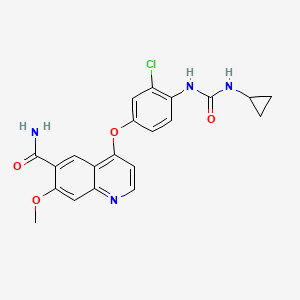
This information is for educational purposes only. It is not intended as medical advice. Always consult a qualified healthcare professional.
OTC
Kisplyx
4 mg, Kapsułki twarde
INN: Lenvatinibum
Data updated: 2026-04-13
Available in:
🇨🇿🇩🇪🇬🇧🇵🇱🇵🇹🇸🇰🇺🇦
Form
Kapsułki twarde
Dosage
4 mg
Route
doustna
Storage
—
About This Product
User Reviews
Reviews reflect personal experiences and are not medical advice. Always consult your doctor.
Manufacturer
Eisai GmbH (Niemcy)
Composition
Lenvatinibum 4 mg
ATC Code
L01EX08
Source
URPL
Pharmacotherapeutic group: antineoplastic agents, protein kinase inhibitors, ATC code: L01EX08
Lenvatinib is a multikinase inhibitor which has shown mainly antiangiogenic properties
in
vitro
and
in vivo
, and direct inhibition of tumour growth was also observed in
in vitro
models.
Mechanism of action
Lenvatinib is a receptor tyrosine kinase (RTK) inhibitor that selectively inhibits the kinase activities of vascular endothelial growth factor (VEGF) receptors VEGFR1 (FLT1), VEGFR2 (KDR), and VEGFR3 (FLT4), in addition to other proangiogenic and oncogenic pathway‑related RTKs including fibroblast growth factor (FGF) receptors FGFR1, 2, 3, and 4, the platelet derived growth factor (PDGF) receptor PDGFRα, KIT, and RET.
In syngeneic mouse tumour models, lenvatinib decreased tumour-associated macrophages, increased activated cytotoxic T cells, and demonstrated greater antitumour activity in combination with an anti-PD-1 monoclonal antibody compared to either treatment alone.
In addition, lenvatinib had selective, direct antiproliferative activity in hepatocellular cell lines dependent on activated FGFR signalling, which is attributed to the inhibition of FGFR signalling by lenvatinib.
The combination of lenvatinib and everolimus showed increased antiangiogenic and antitumour activity as demonstrated by decreased human endothelial cell proliferation, tube formation, and VEGF signalling in vitro and tumour volume in mouse xenograft models of human renal cell cancer greater than each substance alone.
Although not studied directly with lenvatinib, the mechanism of action (MOA) for hypertension is postulated to be mediated by the inhibition of VEGFR2 in vascular endothelial cells. Similarly, although not studied directly, the MOA for proteinuria is postulated to be mediated by downregulation of VEGFR1 and VEGFR2 in the podocytes of the glomerulus.
The mechanism of action for hypothyroidism is not fully elucidated.
The mechanism of action for the worsening of hypercholesterolemia with the combination of lenvatinib and everolimus has not been studied directly and is not fully elucidated.
Although not studied directly, the MOA for the worsening of diarrhoea with the combination of lenvatinib and everolimus is postulated to be mediated by the impairment of intestinal function related to the MOAs for the individual agents – VEGF/VEGFR and c-KIT inhibition by lenvatinib coupled with mTOR/NHE3 inhibition by everolimus.
Clinical efficacy and safety
Radioiodine-refractory differentiated thyroid cancer
The SELECT study was a multicentre, randomised, double-blind, placebo-controlled trial that was conducted in 392 patients with radioiodine-refractory differentiated thyroid cancer with independent, centrally reviewed, radiographic evidence of disease progression within 12 months (+1 month window) prior to enrolment. Radioiodine-refractory was defined as one or more measurable lesions either with a lack of iodine uptake or with progression in spite of radioactive-iodine (RAI) therapy, or having a cumulative activity of RAI of >600 mCi or 22 GBq with the last dose at least 6 months prior to study entry. Randomisation was stratified by geographic region (Europe, North America, and Other), prior VEGF/VEGFR-targeted therapy (patients may have received 0 or 1 prior VEGF/VEGFR-targeted therapy), and age (≤65 years or >65 years). The main efficacy outcome measure was progression-free survival (PFS) as determined by blinded independent radiologic review using Response Evaluation Criteria in Solid Tumours (RECIST) 1.1. Secondary efficacy outcome measures included overall response rate and overall survival. Patients in the placebo arm could opt to receive lenvatinib treatment at the time of confirmed disease progression.
Eligible patients with measurable disease according to RECIST 1.1 were randomised 2:1 to receive lenvatinib 24 mg once daily (n=261) or placebo (n=131). Baseline demographics and disease characteristics were well balanced for both treatment groups. Of the 392 patients randomised, 76.3% were naïve to prior VEGF/VEGFR-targeted therapies, 49.0% were female, 49.7% were European, and the median age was 63 years. Histologically, 66.1% had a confirmed diagnosis of papillary thyroid cancer and 33.9% had follicular thyroid cancer which included Hürthle cell 14.8% and clear cell 3.8%. Metastases were present in 99% of the patients: lungs in 89.3%, lymph nodes in 51.5%, bone in 38.8%, liver in 18.1%, pleura in 16.3%, and brain in 4.1%. The majority of patients had an ECOG performance status of 0; 42.1% had a status of 1; 3.9% had a status above 1. The median cumulative RAI activity administered prior to study entry was 350 mCi (12.95 GBq).
A statistically significant prolongation in PFS was demonstrated in lenvatinib-treated patients compared with those receiving placebo (p<0.0001) (see figure 1). The positive effect on PFS was seen across the subgroups of age (above or below 65 years), sex, race, histological subtype, geographic region, and those who received 0 or 1 prior VEGF/VEGFR-targeted therapies. Following independent review confirmation of disease progression, 109 (83.2%) patients randomised to placebo had crossed over to open-label lenvatinib at the time of the primary efficacy analysis.
The objective response rate (complete response [CR] plus partial response [PR]) per independent radiological review was significantly (p<0.0001) higher in the lenvatinib-treated group (64.8%) than in the placebo-treated group (1.5%). Four (1.5%) subjects treated with lenvatinib attained a CR and 165 subjects (63.2%) had a PR, while no subjects treated with placebo had a CR and 2 (1.5%) subjects had a PR.
The median time to first dose reduction was 2.8 months. The median time to objective responsive was 2.0 (95% CI: 1.9, 3.5) months; however, of the patients who experienced a complete or partial response to lenvatinib, 70.4% were observed to develop the response on or within 30 days of being on the 24-mg dose.
The overall survival analysis was confounded by the fact that placebo-treated subjects with confirmed disease progression had the option to cross over to open-label lenvatinib. There was no statistically significant difference in overall survival between the treatment groups at the time of the primary efficacy analysis (HR=0.73; 95% CI: 0.50, 1.07, p=0.1032). The median Overall Survival (OS) had not been reached for either the lenvatinib group or the placebo crossover group.
Table
9 Efficacy results in DTC patients
Lenvatinib
N=261
Placebo
N=131
Progression-Free Survival (PFS)
a
Number of progressions or deaths (%)
107 (41.0)
113 (86.3)
Median PFS in months (95% CI)
18.3 (15.1, NE)
3.6 (2.2, 3.7)
Hazard ratio (99% CI)
b,c
0.21 (0.14, 0.31)
P value
b
<0.0001
Patients who had received 0 prior
VEGF/VEGFR-targeted therapy (%)
195 (74.7)
104 (79.4)
Number of progressions or deaths
76
88
Median PFS in months (95% CI)
18.7 (16.4, NE)
3.6 (2.1, 5.3)
Hazard ratio (95% CI)
b,c
0.20 (0.14, 0.27)
Patients who had received 1 prior
VEGF/VEGFR-targeted therapy (%)
66 (25.3)
27 (20.6)
Number of progressions or deaths
31
25
Median PFS in months (95% CI)
15.1 (8.8, NE)
3.6 (1.9, 3.7)
Hazard ratio (95% CI)
b,c
0.22 (0.12, 0.41)
Objective Response Rate
a
Number of objective responders (%)
169 (64.8)
2 (1.5)
(95% CI)
(59.0, 70.5)
(0.0, 3.6)
P value
b
<0.0001
Number of complete responses
4
0
Number of partial responses
165
2
Median time to objective response,
d
months (95% CI)
2.0 (1.9, 3.5)
5.6 (1.8, 9.4)
Duration of response,
d
months, median (95% CI)
NE (16.8, NE)
NE (NE, NE)
Overall Survival
Number of deaths (%)
71 (27.2)
47 (35.9)
Median OS in months (95% CI)
NE (22.0, NE)
NE (20.3, NE)
Hazard ratio (95% CI)
b, e
0.73 (0.50, 1.07)
P value
b, e
0.1032
CI, confidence interval; NE, not estimable; OS, overall survival; PFS, progression-free survival; RPSFT, rank preserving structural failure time model; VEGF/VEGFR, vascular endothelial growth factor / vascular endothelial growth factor receptor.
a: Independent radiologic review.
b: Stratified by region (Europe vs. North America vs. Other), age group (≤65 years vs >65 years), and previous VEGF/VEGFR-targeted therapy (0 vs. 1).
c: Estimated with Cox proportional hazard model.
d: Estimated using the Kaplan-Meier method; the 95% CI was constructed with a generalised Brookmeyer and Crowley method in patients with a best overall response of complete response or partial response.
e: Not adjusted for crossover effect.
Figure 1 Kaplan-Meier Curve of Progression-Free Survival - DTC
CI, confidence interval; NE, not estimable.
Hepatocellular carcinoma
The clinical efficacy and safety of lenvatinib have been evaluated in an international, multicenter, open-label, randomised phase 3 study (REFLECT) in patients with unresectable hepatocellular carcinoma (HCC).
In total, 954 patients were randomised 1:1 to receive either lenvatinib (12 mg [baseline body weight ≥60 kg] or 8 mg [baseline body weight <60 kg]) given orally once daily or sorafenib 400 mg given orally twice daily.
Patients were eligible to participate if they had a liver function status of Child-Pugh class A and Eastern Cooperative Oncology Group Performance Status (ECOG PS) 0 or 1. Patients were excluded who had prior systemic anticancer therapy for advanced/unresectable HCC or any prior anti-VEGF therapy. Target lesions previously treated with radiotherapy or locoregional therapy had to show radiographic evidence of disease progression. Patients with ≥50% liver occupation, clear invasion into the bile duct or a main branch of the portal vein (Vp4) on imaging were also excluded.
• Demographic and baseline disease characteristics were similar between the lenvatinib and the sorafenib groups and are shown below for all 954 randomised patients:
• Median age: 62 years
• Male: 84%
• White: 29%, Asian: 69%, Black or African American: 1.4%
• Body weight: <60 kg -31%, 60-80 kg – 50%, >80 kg - 19%
• Eastern Cooperative Oncology Group Performance Status (ECOG PS) of 0: 63%, ECOG PS of 1: 37%
• Child-Pugh A: 99%, Child-Pugh B: 1%
• Aetiology: Hepatitis B (50%), Hepatitis C (23%), alcohol (6%)
• Absence of macroscopic portal vein invasion (MPVI): 79%
• Absence of MPVI, extra-hepatic tumour spread (EHS) or both: 30%
• Underlying cirrhosis (by independent imaging review): 75%
• Barcelona Clinic Liver Cancer (BCLC) stage B: 20%; BCLC stage C: 80%
• Prior treatments: hepatectomy (28%), radiotherapy (11%), loco-regional therapies including transarterial (chemo)embolisation (52%), radiofrequency ablation (21%) and percutaneous ethanol injection (4%)
The primary efficacy endpoint was Overall Survival (OS). Lenvatinib was non-inferior for OS to sorafenib with HR = 0.92 [95% CI of (0.79, 1.06)] and a median OS of 13.6 months vs 12.3 months (see Table 10 and Figure 2). The results for surrogate endpoints (PFS and ORR) are presented in Table 10 below.
Table 10 Efficacy Results from the REFLECT study in HCC
Efficacy parameter
Hazard ratio
a, b
(95% CI)
P value
d
Median (95% CI)
e
Lenvatinib
(N= 478)
Sorafenib
(N=476)
OS
0.92 (0.79,1.06)
NA
13.6 (12.1, 14.9)
12.3 (10.4, 13.9)
PFS
g
(mRECIST)
0.64 (0.55, 0.75)
<0.00001
7.3 (5.6, 7.5)
3.6 (3.6, 3.7)
Percentages (95% CI)
ORR
c, f, g
(mRECIST)
NA
<0.00001
41% (36%, 45%)
12% (9%, 15%)
Data cut-off date: 13 Nov 2016.
a. Hazard ratio (HR) is for lenvatinib vs. sorafenib, based on a Cox model including treatment group as a factor.
b. Stratified by region (Region 1: Asia-Pacific; Region 2: Western), macroscopic portal vein invasion or extrahepatic spread or both (yes, no), ECOG PS (0, 1) and body weight (<60 kg, ≥60 kg).
c. Results are based on confirmed and unconfirmed responses.
d. P value is for the superiority test of lenvatinib versus sorafenib.
e. Quartiles are estimated by the Kaplan-Meier method, and the 95% CIs are estimated with a generalised Brookmeyer and Crowley method
f. Response rate (complete or partial response)
g. Per independent radiology review retrospective analysis. The median duration of objective response was 7.3 (95% CI 5.6, 7.4) months in the lenvatinib arm and 6.2 (95% CI 3.7, 11.2) months in the sorafenib arm.
Figure
2 Kaplan-Meier Curve of Overall Survival - HCC
1. Data cut-off date = 13 Nov 2016.
2. Noninferiority margin for hazard ratio (HR: lenvatinib vs sorafenib = 1.08).
3. Median was estimated with the Kaplan-Meier method and the 95% confidence interval was constructed with a generalised Brookmeyer and Crowley method.
4. HR was estimated from the Cox proportional hazard model with treatment as independent variable and stratified by IxRS stratification factors. The Efron method was used for ties.
5. + = censored observations.
In subgroup analyses by stratification factors (presence or absence of MPVI or EHS or both, ECOG PS 0 or 1, BW <60 kg or ≥60 kg and region) the HR consistently favoured lenvatinib over sorafenib, with the exception of Western region [HR of 1.08 (95% CI 0.82, 1.42], patients without EHS [HR of 1.01 (95% CI 0.78, 1.30)] and patients without MPVI, EHS or both [HR of 1.05 (0.79, 1.40)]. The results of subgroup analyses should be interpreted with caution.
The median duration of treatment was 5.7 months (Q1: 2.9, Q3: 11.1) in the lenvatinib arm and 3.7 months (Q1: 1.8, Q3: 7.4) in the sorafenib arm.
In both treatment arms in the REFLECT study, median OS was approximately 9 months longer in subjects who received post-treatment anticancer therapy than in those who did not. In the lenvatinib arm, median OS was 19.5 months (95% CI: 15.7, 23.0) for subjects who received post-treatment anticancer therapy (43%) and 10.5 months (95% CI: 8.6, 12.2) for those who did not. In the sorafenib arm, median OS was 17.0 months (95% CI: 14.2, 18.8) for subjects who received posttreatment anticancer therapy (51%) and 7.9 months (95% CI: 6.6, 9.7) for those who did not. Median OS was longer by approximately 2.5 months in the lenvatinib compared with the sorafenib arm in both subsets of subjects (with or without post-treatment anticancer therapy).
Endometrial carcinoma
The efficacy of lenvatinib in combination with pembrolizumab was investigated in Study 309, a randomised, multicentre, open-label, active-controlled study conducted in patients with advanced EC who had been previously treated with at least one prior platinum-based chemotherapy regimen in any setting, including in the neoadjuvant and adjuvant settings. Participants may have received up to 2 platinum-containing therapies in total, as long as one was given in the neoadjuvant or adjuvant treatment setting. The study excluded patients with endometrial sarcoma (including carcinosarcoma), or patients who had active autoimmune disease or a medical condition that required immunosuppression. Randomisation was stratified by mismatch repair (MMR) status (dMMR or pMMR [not dMMR]) using a validated IHC test. The pMMR stratum was further stratified by ECOG performance status, geographic region, and history of pelvic radiation. Patients were randomised (1:1) to one of the following treatment arms:
• lenvatinib 20 mg orally once daily in combination with pembrolizumab 200 mg intravenously every 3 weeks.
• investigator's choice consisting of either doxorubicin 60 mg/m
2
every 3 weeks, or paclitaxel 80 mg/m
2
given weekly, 3 weeks on/1 week off.
Treatment with lenvatinib and pembrolizumab continued until RECIST v1.1-defined progression of disease as verified by Blinded Independent Central Review (BICR), unacceptable toxicity, or for pembrolizumab, a maximum of 24 months. Administration of study treatment was permitted beyond RECIST-defined disease progression if the treating investigator considered the patient to be deriving clinical benefit and the treatment was tolerated. A total of 121/411 (29%) of the lenvatinib and pembrolizumab-treated patients received continued study therapy beyond RECIST-defined disease progression. The median duration of post-progression therapy was 2.8 months. Assessment of tumour status was performed every 8 weeks.
A total of 827 patients were enrolled and randomised to lenvatinib in combination with pembrolizumab (n=411) or investigator's choice of doxorubicin (n=306) or paclitaxel (n=110). The baseline characteristics of these patients were: median age of 65 years (range 30 to 86), 50% age 65 or older; 61% White, 21% Asian, and 4% Black; ECOG PS of 0 (59%) or 1 (41%), and 84% with pMMR tumour status, and 16% with dMMR tumour status. The histologic subtypes were endometrioid carcinoma (60%), serous (26%), clear cell carcinoma (6%), mixed (5%), and other (3%). All 827 of these patients received prior systemic therapy for EC: 69% had one, 28% had two, and 3% had three or more prior systemic therapies. Thirty-seven percent of patients received only prior neoadjuvant or adjuvant therapy.
The median duration of study treatment was 7.6 months (range 1 day to 26.8 months). The median duration of exposure to lenvatinib was 6.9 months (range 1 day to 26.8 months).
The primary efficacy outcome measures were OS and PFS (as assessed by BICR using RECIST 1.1). Secondary efficacy outcome measures included ORR, as assessed by BICR using RECIST 1.1. At the pre-specified interim analysis, with a median follow-up time of 11.4 months (range: 0.3 to 26.9 months), the study demonstrated a statistically significant improvement in OS and PFS in the all-comer population.
Efficacy results by MMR subgroups were consistent with overall study results.
The pre-specified final OS analysis with approximately 16 months of additional follow-up duration from the interim analysis (overall median follow-up time of 14.7 months [range: 0.3 to 43.0 months]) was performed without multiplicity adjustment. The efficacy results in the all-comer population are summarised in Table 11. Kaplan-Meier curves for final OS and interim PFS analyses are shown in Figures 3 and 4, respectively.
Table 11 Efficacy Results in Endometrial Carcinoma in Study 309
Endpoint
Lenvatinib with pembrolizumab
N=411
Doxorubicin or Paclitaxel
N=416
OS
Number (%) of patients with event
276 (67%)
329 (79%)
Median in months (95% CI)
18.7 (15.6, 21.3)
11.9 (10.7, 13.3)
Hazard ratio
a
(95% CI)
0.65 (0.55, 0.77)
P value
b
<0.0001
PFS
d
Number (%) of patients with event
281 (68%)
286 (69%)
Median in months (95% CI)
7.2 (5.7, 7.6)
3.8 (3.6, 4.2)
Hazard ratio
a
(95% CI)
0.56 (0.47, 0.66)
P value
c
<0.0001
ORR
d
ORR
e
(95% CI)
32% (27, 37)
15% (11,18)
Complete response
7%
3%
Partial response
25%
12%
P value
f
<0.0001
Duration of Response
d
Median in months
g
(range)
14.4 (1.6+, 23.7+)
5.7 (0.0+, 24.2+)
a
Based on the stratified Cox regression model
b
One-sided nominal P value based on stratified log-rank test (final analysis). At the pre-specified interim analysis of OS with a median follow-up time of 11.4 months (range:0.3 to 26.9 months), statistically significant superiority was achieved for OS comparing the combination of lenvatinib and pembrolizumab with doxorubicin or paclitaxel (HR: 0.62 [95%CI: 0.51, 0.75] p-Value <0.0001).
c One-sided p-Value based on stratified log-rank test
d At pre-specified interim analysis
e
Response: Best objective response as confirmed complete response or partial response
f
Based on Miettinen and Nurminen method stratified by ECOG performance status, geographic region, and history of pelvic radiation.
g Based on Kaplan-Meier estimation
Figure 3 Kaplan-Meier Curves for Overall Survival in Study 309
*Based on the protocol-specified final analysis
Figure 4 Kaplan-Meier Curves for Progression-Free Survival in Study 309
QT interval prolongation
A single 32-mg dose of lenvatinib did not prolong the QT/QTc interval based on results from a thorough QT study in healthy volunteers; however, QT/QTc interval prolongation has been reported at a higher incidence in patients treated with lenvatinib than in patients treated with placebo (see sections 4.4 and 4.8).
Renal cell carcinoma
First-line treatment of patients with RCC (in combination with pembrolizumab)
The efficacy of lenvatinib in combination with pembrolizumab was investigated in Study 307 (CLEAR), a multicentre, open-label, randomized trial that enrolled 1069 patients with advanced RCC with clear cell component including other histological features such as sarcomatoid and papillary in the first-line setting. Patients were enrolled regardless of PD-L1 tumour expression status. Patients with active autoimmune disease or a medical condition that required immunosuppression were ineligible. Randomisation was stratified by geographic region. (North America and Western Europe versus “Rest of the World”) and Memorial Sloan Kettering Cancer Center (MSKCC) prognostic groups (favourable, intermediate and poor risk).
Patients were randomized to lenvatinib 20 mg orally once daily in combination with pembrolizumab 200 mg intravenously every 3 weeks (n=355), or lenvatinib 18 mg orally once daily in combination with everolimus 5 mg orally once daily (n=357), or sunitinib 50 mg orally once daily for 4 weeks then off treatment for 2 weeks (n=357). All patients on the lenvatinib plus pembrolizumab arm were started on lenvatinib 20 mg orally once daily. The median time to first dose reduction for lenvatinib was 1.9 months. The median average daily dose for lenvatinib was 14 mg. Treatment continued until unacceptable toxicity or disease progression as determined by the investigator and confirmed by independent radiologic review committee (IRC) using Response Evaluation Criteria in Solid Tumours Version 1.1 (RECIST 1.1). Administration of lenvatinib with pembrolizumab was permitted beyond RECIST-defined disease progression if the patient was clinically stable and considered by the investigator to be deriving clinical benefit. Pembrolizumab was continued for a maximum of 24 months; however, treatment with lenvatinib could be continued beyond 24 months. Assessment of tumour status was performed at baseline and then every 8 weeks.
The study population (355 patients in the lenvatinib with pembrolizumab arm and 357 in the sunitinib arm) characteristics were: median age of 62 years (range: 29 to 88 years); 41% age 65 or older, 74% male; 75% White, 21% Asian, 1% Black, and 2% other races; 17% and 83% of patients had a baseline KPS of 70 to 80 and 90 to 100, respectively; patient distribution by IMDC (International Metastatic RCC Database Consortium) risk categories was 33% favourable, 56% intermediate and 10% poor, and MSKCC prognostic groups was 27% favourable, 64% intermediate and 9% poor. Metastatic disease was present in 99% of the patients and locally advanced disease was present in 1%. Common sites of metastases in patients were lung (69%), lymph node (46%), and bone (26%).
The primary efficacy outcome measure was progression free survival (PFS) based on RECIST 1.1 per IRC. Key secondary efficacy outcome measures included overall survival (OS) and objective response rate (ORR). Lenvatinib in combination with pembrolizumab demonstrated statistically significant improvements in PFS, OS and ORR compared with sunitinib at the prespecified interim analysis (final analysis for PFS). The median PFS for lenvatinib in combination with pembrolizumab was 23.9 months (95% CI: 20.8, 27.7) compared with 9.2 months (95% CI: 6.0, 11.0) for sunitinib, with HR 0.39 (95% CI: 0.32, 0.49;
P
value <0.0001). For OS, HR was 0.66 (95% CI: 0.49, 0.88;
P
value 0.0049) with the median OS follow-up time of 26.5 months and the median duration of treatment for lenvatinib plus pembrolizumab of 17.0 months. The ORR for lenvatinib in combination with pembrolizumab was 71% (95% CI: 66, 76) vs 36% (95% CI: 31, 41)
P
value <0.0001 for sunitinib. Efficacy results for PFS, OS and ORR at the protocol-specified final analysis (median follow-up time of 49.4 months) are summarised in Table 12, Figure 5 and Figure 6. PFS results were consistent across pre-specified subgroups, MSKCC prognostic groups and PD-L1 tumour expression status. Efficacy results by MSKCC prognostic group are summarised in Table 6.
The final OS analysis was not adjusted to account for subsequent therapies, with 195/357 (54.6%) patients in the sunitinib arm and 56/355 (15.8%) patients in the lenvatinib plus pembrolizumab arm receiving subsequent anti-PD-1/PD-L1 therapy.
Table 12 Efficacy Results in Renal Cell Carcinoma Per IRC in CLEAR
Lenvatinib 20 mg with Pembrolizumab 200mg
N=355
Sunitinib 50mg
N=357
Progression-Free Survival (PFS)*
Number of events, n (%)
207 (58%)
214 (60%)
Median PFS in months (95% CI)
a
23.9 (20.8, 27.7)
9.2 (6.0, 11.0)
Hazard Ratio (95% CI)
b, c
0.47 (0.38, 0.57)
P
value
c
<0.0001
Overall Survival (OS)
Number of deaths, n (%)
149 (42%)
159 (45%)
Median OS in months (95% CI)
a
53.7 (48.7, NE)
54.3 (40.9, NE)
Hazard Ratio (95% CI)
b, c
0.79 (0.63, 0.99)
P
value
c
0.0424
Objective Response Rate (Confirmed)
Objective response rate, n (%)
253 (71.3%)
131 (36.7%)
(95% CI)
(66.6, 76.0)
(31.7, 41.7)
Number of complete responses (CR), n (%)
65 (18.3%)
17 (4.8%)
Number of partial responses (PR), n (%)
188 (53.0%)
114 (32%)
P
value
d
<0.0001
Duration of Response
a
Median in months (range)
26.7 (1.64+, 55.92+)
14.7 (1.64+, 54.08+)
Tumour assessments were based on RECIST 1.1; only confirmed responses are included for ORR.
Data cutoff date (DCO) = 31 July 2022
CI = confidence interval; NE= Not estimable
* The primary analysis of PFS included censoring for new anti-cancer treatment. Results for PFS with and without censoring for new anti-cancer treatment were consistent.
a Quartiles are estimated by Kaplan-Meier method.
b Hazard ratio is based on a Cox Proportional Hazards Model including treatment group as a factor; Efron method is used for ties.
c Stratified by geographic region (Region 1: Western Europe and North America, Region 2: Rest of the World) and MSKCC prognostic groups (favourable, intermediate and poor risk) in IxRS. Nominal two-sided
P
value based on stratified log-rank test.
d Nominal two-sided
P
value based on the stratified Cochran-Mantel-Haenszel (CMH) test. At the earlier pre-specified final analysis of ORR (median follow-up time of 17.3 months), statistically significant superiority was achieved for ORR comparing lenvatinib plus pembrolizumab with sunitinib, (odds ratio: 3.84 (95% CI: 2.81, 5.26),
P
value <0.0001).
Figure 5: Kaplan-Meier Curves for Progression-Free Survival in CLEAR*
DCO: 31 July 2022
*Based on updated PFS analysis conducted at the time of the protocol-specified final OS analysis.
Figure 6: Kaplan-Meier Curves for Overall Survival in CLEAR*
NE = Not estimable.
DCO: 31 July 2022
*Based on the protocol-specified final OS analysis
The CLEAR study was not powered to evaluate efficacy of individual subgroups. Table 13 summarises the efficacy measures by MSKCC prognostic group based on the final OS analysis at a median follow-up of 49.4 months.
Table 13 Efficacy Results in CLEAR by MSKCC Prognostic Group
Lenvatinib + Pembrolizumab
(N=355)
Sunitinib
(N=357)
Lenvatinib + Pembrolizumab vs. Sunitinib
Number of Patients
Number of Events
Number of Patients
Number of Events
Progression-Free Survival (PFS) by IRC
a
PFS HR (95% CI)
Favourable
96
56
97
65
0.46 (0.32, 0.67)
Intermediate
227
129
228
130
0.51 (0.40, 0.65)
Poor
32
22
32
19
0.18 (0.08, 0.42)
Overall Survival (OS)
a
OS HR (95% CI)
Favourable
96
27
97
31
0.89 (0.53, 1.50)
Intermediate
227
104
228
108
0.81 (0.62, 1.06)
Poor
32
18
32
20
0.59 (0.31, 1.12)
a
Median follow up 49.4 months (DCO - 31 July 2022)
Open-label study of lenvatinib plus pembrolizumab in patients with advanced/metastatic non-clear cell RCC in the first-line setting
The efficacy of lenvatinib in combination with pembrolizumab was investigated in KEYNOTE-B61, a multicentre, open-label, single-arm study that enrolled 160 patients with advanced/metastatic non-clear cell RCC in the first-line setting. Patients with active autoimmune disease or a medical condition that required immunosuppression were ineligible. Patients were enrolled regardless of PD-L1 tumour expression status. Patients received lenvatinib 20 mg orally once daily in combination with pembrolizumab 400 mg every 6 weeks up to 24 months. Treatment continued until unacceptable toxicity or disease progression. Lenvatinib could be continued beyond 24 months; however, pembrolizumab was continued for a maximum of 24 months. Assessment of tumour status was performed at baseline, after randomisation at Week 12, then every 6 weeks until Week 54 and then every 12 weeks thereafter.
Among the 158 treated patients, the study population characteristics were: median age of 60 years (range: 24 to 87 years), 71% male; 86% White, 8% Asian, and 3% Black; 22% and 78% of patients had a baseline KPS of 70 to 80 and 90 to 100, respectively; histologic subtypes were 59% papillary, 18% chromophobe, 4% translocation, 1% medullary, 13% unclassified, and 6% other; patient distribution by IMDC risk categories was 35% favourable, 54% intermediate, and 10% poor; common sites of metastases in patients were lymph node (65%), lung (35%), bone (30%), and liver (21%).
The primary efficacy outcome measure was ORR as assessed by BICR using RECIST 1.1. Secondary efficacy outcome measures included DOR. Median follow-up time was 19.7 months (range: 0.7 to 27.6 months). Efficacy results are summarised in Table 14. Objective responses were observed regardless of histological subtype. Table 15 summarises the efficacy results by histological subtype.
Table 14: Efficacy results in KEYNOTE‑B61
Endpoint
Lenvatinib 20 mg with Pembrolizumab 400mg every 6 weeks
n=158
Objective Response Rate*
ORR
†
, (95% CI)
51% (43, 59)
Complete response
8%
Partial response
42%
Response Duration*
,‡
Median in months (range)
19.5 (1.5+, 23.5+)
% with duration ≥18 months
51%
* Assessed by BICR using RECIST 1.1
†
Based on patients with a best overall response as confirmed complete or partial response
‡
Based on Kaplan-Meier estimates
Table 15: Efficacy results in KEYNOTE‑B61 by histological subtype
Lenvatinib 20 mg with Pembrolizumab 400mg every 6 weeks
n=158
Objective Response Rate*
Number of Patients (Number of Patients in Population)
ORR
†
, (95% CI)
Papillary
50 (93)
54% (43.1, 64.2)
Chromophobe
10 (29)
35 % (17.9, 54.3)
Translocation
‡
4 (6)
67% (22.3, 95.7)
Medullary
‡
0 (1)
0% (0.0, 97.5)
Unclassified
10 (20)
50% (27.2, 72.8)
Other
‡
6 (9)
67% (29.9, 92.5)
* Assessed by BICR using RECIST 1.1
†
Based on patients with a best overall response as confirmed complete or partial response
‡
These results should be interpreted with caution due to the small sample size within the subgroups.
Second-line treatment of patients with RCC (in combination with everolimus)
Study 205, a multicentre, randomised, open‑label, trial was conducted to determine the safety and efficacy of lenvatinib administered alone or in combination with everolimus in patients with unresectable advanced or metastatic RCC. The study consisted of a Phase 1b dose finding and a Phase 2 portion. The Phase 1b portion included 11 patients who received the combination of 18 mg of lenvatinib plus 5 mg of everolimus. The Phase 2 portion enrolled a total of 153 patients with unresectable advanced or metastatic RCC following 1 prior VEGF‑targeted treatment. A total of 62 patients received the combination of lenvatinib and everolimus at the recommended dose. Patients were required, among others, to have histological confirmation of predominant clear cell RCC, radiographic evidence of disease progression according to RECIST 1.1, one prior VEGF‑targeted therapy and Eastern Cooperative Oncology Group (ECOG) Performance Status (PS) of 0 or 1.
Patients were randomly allocated to one of 3 arms: 18 mg of lenvatinib plus 5 mg of everolimus, 24 mg of lenvatinib or 10 mg of everolimus using a 1:1:1 ratio. Patients were stratified by haemoglobin level (≤13 g/dL vs. >13 g/dL for males and ≤11.5 g/dL vs >11.5 g/dL for females) and corrected serum calcium (≥10 mg/dL vs. <10 mg/dL). The median of average daily dose in the combination arm per patient was 13.5 mg of lenvatinib (75.0% of the intended dose of 18 mg) and 4.7 mg of everolimus (93.6% of the intended dose of 5 mg). The final dose level in the combination arm was 18 mg for 29% of patients, 14 mg for 31% of patients, 10 mg for 23% of patients, 8 mg for 16% of patients and 4 mg for 2% of patients.
Of the 153 patients randomly allocated, 73% were male, the median age was 61 years, 37% were 65 years or older, 7% were 75 years or older, and 97% were Caucasian. Metastases were present in 95% of the patients and unresectable advanced disease was present in 5%. All patients had a baseline ECOG PS of either 0 (55%) or 1 (45%) with similar distribution across the 3 treatment arms. Memorial Sloan Kettering Cancer Centre (MSKCC) poor risk was observed in 39% of patients in the lenvatinib plus everolimus arm, 44% in the lenvatinib arm and 38% in the everolimus arm. International mRCC Database Consortium (IMDC) poor risk was observed in 20% of patients in the lenvatinib plus everolimus arm, 23% in the lenvatinib arm, and 24% in the everolimus arm. The median time from diagnosis to first dose was 32 months in the lenvatinib plus everolimus‑treatment arm, 33 months in the lenvatinib arm and 26 months in the everolimus arm. All patients had been treated with 1 prior VEGF-inhibitor; 65% with sunitinib, 23% with pazopanib, 4% with tivozanib, 3% with bevacizumab, and 2% each with sorafenib or axitinib.
The primary efficacy outcome measure, based on investigator assessed tumour response, was PFS of the lenvatinib plus everolimus arm vs the everolimus arm and of the lenvatinib arm vs the everolimus arm. Other efficacy outcome measures included OS and investigator‑assessed ORR. Tumour assessments were evaluated according to RECIST 1.1.
The lenvatinib plus everolimus arm showed a statistically significant and clinically meaningful improvement in PFS compared with the everolimus arm (see Table 16 and Figure 7). Based on the results of a post-hoc exploratory analysis in a limited number of patients per subgroup, the positive effect on PFS was seen regardless of which prior VEGF-targeted therapy was used: sunitinib (Hazard ratio [HR] = 0.356 [95% CI: 0.188, 0.674] or other therapies (HR = 0.350 [95% CI: 0.148, 0.828]). The lenvatinib arm also showed an improvement in PFS compared with the everolimus arm. Overall survival was longer in the lenvatinib plus everolimus arm (see Table 16 and Figure 8). The study was not powered for the OS analysis.
The treatment effect of the combination on PFS and ORR was also supported by a post-hoc retrospective independent blinded review of scans. The lenvatinib plus everolimus arm showed a statistically significant and clinically meaningful improvement in PFS compared with the everolimus arm. Results for ORR were consistent with that of the investigators' assessments, 35.3% in the lenvatinib plus everolimus arm, with one complete response and 17 partial responses; no patient had an objective response in the everolimus arm (P < 0.0001) in favour of the lenvatinib plus everolimus arm.
Table 16 Efficacy results following one prior VEGF targeted therapy in RCC Study 205
lenvatinib 18 mg + everolimus 5 mg
(N=51)
lenvatinib 24 mg
(N=52)
everolimus 10 mg
(N=50)
Progression‑free survival (PFS)
a
by investigator assessment
Median PFS in months (95% CI)
14.6 (5.9, 20.1)
7.4 (5.6, 10.2)
5.5 (3.5, 7.1)
Hazard Ratio (95% CI)
b
lenvatinib + everolimus vs everolimus
0.40 (0.24, 0.67)
-
-
P
Value
lenvatinib + everolimus vs everolimus
0.0005
-
-
Progression‑free survival (PFS)
a
by post-hoc retrospective independent review
Median PFS in months (95% CI)
12.8 (7.4, 17.5)
9.0 (5.6, 10.2)
5.6 (3.6, 9.3)
Hazard Ratio (95% CI)
b
lenvatinib + everolimus vs everolimus
0.45 (0.26, 0.79)
-
-
P
Value
lenvatinib + everolimus vs everolimus
0.003
-
-
Overall Survival
c
Number of deaths, n (%)
32 (63)
34 (65)
37 (74)
Median OS in months (95% CI)
25.5 (16.4, 32.1)
19.1 (13.6, 26.2)
15.4 (11.8, 20.6)
Hazard Ratio (95% CI)
b
lenvatinib + everolimus vs everolimus
0.59 (0.36, 0.97)
-
-
Objective Response Rate n (%) by investigator assessment
Complete responses
1 (2)
0
0
Partial responses
21 (41)
14 (27)
3 (6)
Objective Response Rate
22 (43)
14 (27)
3 (6)
Stable disease
21 (41)
27 (52)
31 (62)
Duration of response, months, median (95% CI)
13.0 (3.7, NE)
7.5 (3.8, NE)
8.5 (7.5, 9.4)
Tumour assessment was based on RECIST 1.1 criteria. Data cut-off date = 13 Jun 2014
Percentages are based on the total number of patients in the Full Analysis Set within relevant treatment group.
CI = confidence interval, NE = not estimable
a
Point estimates are based on Kaplan‑Meier method and 95% CIs are based on the Greenwood formula using log‑log transformation.
b
Stratified hazard ratio is based on a stratified Cox regression model including treatment as a covariate factor and haemoglobin and corrected serum calcium as strata. The Efron method was used for correction for tied events.
c
Data cut-off date = 31 Jul 2015
Figure 7: Kaplan‑Meier Plot of Progression‑Free Survival
(Investigator Assessment)
Figure 8: Kaplan‑Meier Plot of Overall Survival
Paediatric population
The European Medicines Agency has deferred the obligation to submit the results of studies with lenvatinib in one or more subsets of the paediatric population in the treatment of hepatocellular carcinoma (HCC), endometrial carcinoma (EC) and renal cell carcinoma (RCC) (see section 4.2 for information on paediatric use).
Paediatric studies
The efficacy of lenvatinib was assessed but not established in four open-label studies:
Study 207 was a Phase 1/2, open-label, multi-centre, dose-finding and activity-estimating study of lenvatinib as a single agent and in combination with ifosfamide and etoposide in paediatric patients (aged 2 to <18 years; 2 to ≤25 years for osteosarcoma), with relapsed or refractory solid tumours. A total of 97 patients were enrolled. In the lenvatinib single agent dose-finding cohort, 23 patients were enrolled and received lenvatinib orally, once daily, across 3 dose levels (11, 14, or 17 mg/m
2
). In the lenvatinib in combination with ifosfamide and etoposide dose-finding cohort, a total of 22 patients were enrolled and received lenvatinib across 2 dose levels (11 or 14 mg/m
2
). The recommended dose (RD) of lenvatinib as a single agent, and in combination with ifosfamide and etoposide was determined as 14 mg/m2 orally, once daily.
In the lenvatinib single agent expansion cohort of relapsed or refractory DTC, the primary efficacy outcome measure was objective response rate (ORR; complete response [CR] + partial response [PR]). One patient was enrolled, and this patient achieved a PR. In both the lenvatinib single agent, and combination with ifosfamide and etoposide expansion cohorts of relapsed or refractory osteosarcoma, the primary efficacy outcome measure was progression-free survival rate at 4 months (PFS-4); the PFS-4 by binomial estimate including all 31 patients treated with lenvatinib as a single agent was 29% (95%CI: 14.2, 48.0); the PFS-4 by binomial estimate in all 20 patients treated in the lenvatinib in combination with ifosfamide and etoposide expansion cohort was 50% (95%CI: 27.2, 72.8).
Study 216 was a multicentre, open-label, single-arm, Phase 1/2 study to determine the safety, tolerability, and antitumour activity of lenvatinib administered in combination with everolimus in paediatric patients (and young adults aged ≤21 years) with relapsed or refractory solid malignancies, including CNS tumours. A total of 64 patients were enrolled and treated. In Phase 1 (combination dose-finding), 23 patients were enrolled and treated: 5 at Dose Level –1 (lenvatinib 8 mg/m
2
and everolimus 3 mg/m
2
) and 18 at Dose Level 1 (lenvatinib 11 mg/m
2
and everolimus 3 mg/m
2
). The recommended dose (RD) of the combination was lenvatinib 11 mg/m
2
and everolimus 3 mg/m
2
, taken once daily. In Phase 2 (combination expansion), 41 patients were enrolled and treated at the RD in the following cohorts: Ewing Sarcoma (EWS, n=10), Rhabdomyosarcoma (RMS, n=20), and High-grade glioma (HGG, n=11). The primary efficacy outcome measure was objective response rate (ORR) at Week 16 in evaluable patients based on investigator assessment using RECIST v1.1 or RANO (for patients with HGG). There were no objective responses observed in the EWS and HGG cohorts; 2 partial responses (PRs) were observed in the RMS cohort for an ORR at Week 16 of 10% (95% CI: 1.2, 31.7).
The OLIE study (Study 230) was a Phase 2, open-label, multicentre, randomized, controlled trial in patients (aged 2 to ≤25 years) with relapsed or refractory osteosarcoma. A total of 81 patients were randomized in a 1:1 ratio (78 treated; 39 in each arm) to lenvatinib 14 mg/m
2
in combination with ifosfamide 3000 mg/m
2
and etoposide 100 mg/m
2
(Arm A) or ifosfamide 3000 mg/m
2
and etoposide 100 mg/m
2
(Arm B). Ifosfamide and etoposide were administered intravenously on Days 1 to 3 of each 21-day cycle for a maximum of 5 cycles. Treatment with lenvatinib was permitted until RECIST v1.1-defined disease progression as verified by Blinded Independent Central Review (BICR) or unacceptable toxicity. The primary efficacy outcome measure was progression-free survival (PFS) per RECIST 1.1 by BICR. The trial did not demonstrate a statistically significant difference in median PFS: 6.5 months (95%CI: 5.7, 8.2) for lenvatinib in combination with ifosfamide and etoposide versus 5.5 months (95%CI: 2.9, 6.5) for ifosfamide and etoposide (HR=0.54 [95%CI: 0.27, 1.08]). Study 230 was not powered to detect a statistically significant difference in OS. At the end of study analysis, the HR was 0.93 (95% CI: 0.53, 1.62) for the comparison of lenvatinib in combination with ifosfamide and etoposide versus ifosfamide and etoposide, with median OS 12.4 months (95% CI 10.4, 19.8) versus 17.2 months (95% CI 11.1, 22.3), respectively, and median follow-up time 24.1 months and 29.5 months, respectively.
Study 231 is a multicentre, open-label, Phase 2 basket study to evaluate the antitumour activity and safety of lenvatinib in children, adolescents, and young adults between 2 to ≤21 years of age with relapsed or refractory solid malignancies, including EWS, RMS, and HGG. A total of 127 patients were enrolled and treated at the lenvatinib RD (14 mg/m
2
) in the following cohorts: EWS (n=9), RMS (n=17), HGG (n=8), and other solid tumours (n=9 each for diffuse midline glioma, medulloblastoma, and ependymoma; all other solid tumours n=66). The primary efficacy outcome measure was ORR at Week 16 in evaluable patients based on investigator assessment using RECIST v1.1 or RANO (for patients with HGG). There were no objective responses observed in patients with HGG, diffuse midline glioma, medulloblastoma, or ependymoma. Two PRs were observed in both the EWS and RMS cohorts for an ORR at Week 16 of 22.2% (95% CI: 2.8, 60.0) and 11.8% (95% CI: 1.5, 36.4), respectively. Five PRs (in patients with synovial sarcoma [n=2], kaposiform hemangioendothelioma [n=1], Wilms tumour nephroblastoma [n=1], and clear cell carcinoma [n=1]) were observed among all other solid tumours for an ORR at Week 16 of 7.7% (95% CI: 2.5, 17.0).
⚠️ Warnings
Caregivers should not open the capsule, in order to avoid repeated exposure to the contents of the capsule.
Preparation and administration of suspension:
• The suspension may be prepared using water, apple juice, or milk. If administered via a feeding tube, then the suspension should be prepared using water.
• Place the capsule(s) corresponding to the prescribed dose (up to 5 capsules) in a small container (approximately 20 mL (4 tsp) capacity) or oral syringe (20 mL); do not break or crush the capsules.
• Add 3 mL of liquid to the container or oral syringe. Wait 10 minutes for the capsule shell (outer surface) to disintegrate, then stir or shake the mixture for 3 minutes until the capsules are fully disintegrated.
o If using an oral syringe, cap the syringe, remove plunger and use a second syringe or calibrated dropper to add the liquid to the first syringe, then replace plunger prior to mixing.
• Administer the entire contents of the container or oral syringe. The suspension may be administered from the container directly into the mouth, or from the oral syringe directly into the mouth or via feeding tube.
• Next, add an additional 2 mL of liquid to the container, or oral syringe using a second syringe or dropper, swirl or shake and administer. Repeat this step at least twice and until there is no visible residue to ensure all of the medication is taken.
Note: Compatibility has been confirmed for polypropylene syringes and for feeding tubes of at least 5 French diameter (polyvinyl chloride or polyurethane tube), at least 6 French diameter (silicone tube) and up to 16 French diameter for polyvinyl chloride, polyurethane, or silicone tubing.
Any unused medicinal product or waste material should be disposed of in accordance with local requirements.