This information is for educational purposes only. It is not intended as medical advice. Always consult a qualified healthcare professional.
Norvasc — Description, Dosage, Side Effects | PillsCard
OTC
Norvasc
5 mg, Tabletki
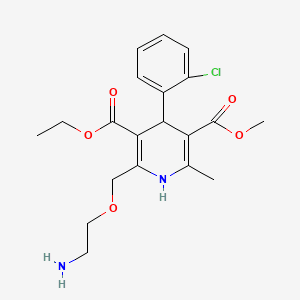
INN: Amlodipinum
Data updated: 2026-04-11
Available in:
🇨🇿🇩🇪🇬🇧🇫🇷🇵🇱🇷🇴🇸🇰🇹🇷🇺🇦
Form
Tabletki
Dosage
5 mg
Route
—
Storage
—
About This Product
User Reviews
Reviews reflect personal experiences and are not medical advice. Always consult your doctor.
Manufacturer
Viatris Healthcare Limited
ATC Code
C08CA01
Source
URPL
Pharmacotherapeutic group: agents acting on the renin-angiotensin system, angiotensin II receptor blockers (ARBs) and calcium channel blockers, ATC code: C09DB01.
Amlodipine / Valsartan combines two antihypertensive compounds with complementary mechanisms to control blood pressure in patients with essential hypertension: amlodipine belongs to the calcium antagonist class and valsartan to the angiotensin II antagonist class of medicines. The combination of these substances has an additive antihypertensive effect, reducing blood pressure to a greater degree than either component alone.
Amlodipine /valsartan
The combination of amlodipine and valsartan produces dose-related additive reduction in blood pressure across its therapeutic dose range. The antihypertensive effect of a single dose of the combination persisted for 24 hours.
Placebo-controlled trials
Over 1,400 hypertensive patients received amlodipine/valsartan once daily in two placebo-controlled trials. Adults with mild to moderate uncomplicated essential hypertension (mean sitting diastolic blood pressure ≥ 95 and < 110 mmHg) were enrolled. Patients with high cardiovascular risks – heart failure, type I and poorly controlled type II diabetes and history of myocardial infarction or stroke within one year – were excluded.
Active-controlled trials in patients who were non-responders to monotherapy
A multicentre, randomised, double-blind, active-controlled, parallel-group trial showed normalisation of blood pressure (trough sitting diastolic blood pressure < 90 mmHg at the end of the trial) in patients not adequately controlled on valsartan 160 mg in 75% of patients treated with amlodipine/valsartan 10 mg / 160 mg and 62% of patients treated with amlodipine/valsartan 5 mg / 160 mg, compared to 53% of patients remaining on valsartan 160 mg. The addition of amlodipine 10 mg and 5 mg produced an additional reduction in systolic/diastolic blood pressure of 6.0/4.8 mmHg and 3.9/2.9 mmHg, respectively, compared to patients who remained on valsartan 160 mg only.
A multicentre, randomised, double-blind, active-controlled, parallel-group trial showed normalisation of blood pressure (trough sitting diastolic blood pressure < 90 mmHg at the end of the trial) in patients not adequately controlled on amlodipine 10 mg in 78% of patients treated with amlodipine/valsartan 10 mg / 160 mg, compared to 67% of patients remaining on amlodipine 10 mg. The addition of valsartan 160 mg produced an additional reduction in systolic/diastolic blood pressure of 2.9/2.1 mmHg compared to patients who remained on amlodipine 10 mg only.
Amlodipine/valsartan was also studied in an active-controlled study of 130 hypertensive patients with mean sitting diastolic blood pressure ≥ 110 mmHg and < 120 mmHg. In this study (baseline blood pressure 171/113 mmHg), an amlodipine/valsartan regimen of 5 mg / 160 mg titrated to 10 mg/ 160 mg reduced sitting blood pressure by 36/29 mmHg as compared to 32/28 mmHg with a regimen of lisinopril/hydrochlorothiazide 10 mg / 12.5 mg titrated to 20 mg / 12.5 mg.
In two long-term follow-up studies the effect of amlodipine/valsartan was maintained for over one year. Abrupt withdrawal of amlodipine/valsartan has not been associated with a rapid increase in blood pressure.
Age, gender, race or body mass index (≥ 30 kg/m
2
, < 30 kg/m
2
) did not influence the response to amlodipine/valsartan.
Amlodipine/valsartan has not been studied in any patient population other than hypertension. Valsartan has been studied in patients with post myocardial infarction and heart failure. Amlodipine has been studied in patients with chronic stable angina, vasospastic angina and angiographically documented coronary artery disease.
Amlodipine
The amlodipine component of amlodipine/valsartan inhibits the transmembrane entry of calcium ions into cardiac and vascular smooth muscle. The mechanism of the antihypertensive action of amlodipine is due to a direct relaxant effect on vascular smooth muscle, causing reductions in peripheral vascular resistance and in blood pressure. Experimental data suggest that amlodipine binds to both dihydropyridine and non-dihydropyridine binding sites. The contractile processes of cardiac muscle and vascular smooth muscle are dependent upon the movement of extracellular calcium ions into these cells through specific ion channels.
Following administration of therapeutic doses to patients with hypertension, amlodipine produces vasodilation, resulting in a reduction of supine and standing blood pressures. These decreases in blood pressure are not accompanied by a significant change in heart rate or plasma catecholamine levels with chronic dosing.
Plasma concentrations correlate with effect in both young and elderly patients.
In hypertensive patients with normal renal function, therapeutic doses of amlodipine resulted in a decrease in renal vascular resistance and an increase in glomerular filtration rate and effective renal plasma flow, without change in filtration fraction or proteinuria.
As with other calcium channel blockers, haemodynamic measurements of cardiac function at rest and during exercise (or pacing) in patients with normal ventricular function treated with amlodipine have generally demonstrated a small increase in cardiac index without significant influence on dP/dt or on left ventricular end diastolic pressure or volume. In haemodynamic studies, amlodipine has not been associated with a negative inotropic effect when administered in the therapeutic dose range to intact animals and humans, even when co-administered with beta-blockers to humans.
Amlodipine does not change sinoatrial nodal function or atrioventricular conduction in intact animals or humans. In clinical studies in which amlodipine was administered in combination with beta-blockers to patients with either hypertension or angina, no adverse effects on electrocardiographic parameters were observed.
Use in patients with hypertension
A randomised double-blind morbidity-mortality study called the Antihypertensive and Lipid-Lowering treatment to prevent Heart Attack Trial (ALLHAT) was performed to compare newer therapies: amlodipine 2.5 – 10 mg/day (calcium channel blocker) or lisinopril 10 – 40 mg/day (ACE-inhibitor) as first-line therapies to that of the thiazide-diuretic, chlorthalidone 12.5 – 25 mg/day in mild to moderate hypertension.
A total of 33,357 hypertensive patients aged ≥ 55 were randomised and followed for a mean of 4.9 years. The patients had at least one additional coronary heart disease risk factor, including: previous myocardial infarction or stroke (> 6 months prior to enrolment) or documentation of other atherosclerotic cardiovascular disease (overall 51.5%), type 2 diabetes (36.1%), high density lipoprotein cholesterol < 35 mg/dl or < 0.906 mmol/l (11.6%), left ventricular hypertrophy diagnosed by electrocardiogram or echocardiography (20.9%), current cigarette smoking (21.9%).
The primary endpoint was a composite of fatal coronary heart disease or non-fatal myocardial infarction. There was no significant difference in the primary endpoint between amlodipine-based therapy and chlorthalidone-based therapy: risk ratio (RR) 0.98 95% CI (0.90 – 1.07) p = 0.65. Among secondary endpoints, the incidence of heart failure (component of a composite combined cardiovascular endpoint) was significantly higher in the amlodipine group as compared to the chlorthalidone group (10.2% vs. 7.7%, RR 1.38, 95% CI [1.25 – 1.52] p < 0.001). However, there was no significant difference in all-cause mortality between amlodipine-based therapy and chlorthalidone-based therapy RR 0.96 95% CI [0.89 – 1.02] p = 0.20.
Valsartan
Valsartan is an orally active, potent and specific angiotensin II receptor antagonist. It acts selectively on the receptor subtype AT
1
, which is responsible for the known actions of angiotensin II. The increased plasma levels of angiotensin II following AT
1
receptor blockade with valsartan may stimulate the unblocked receptor subtype AT
2
, which appears to counterbalance the effect of the AT
1
receptor. Valsartan does not exhibit any partial agonist activity at the AT
1
receptor and has much (about 20,000-fold) greater affinity for the AT
1
receptor than for the AT
2
receptor.
Valsartan does not inhibit ACE, also known as kininase II, which converts angiotensin I to angiotensin II and degrades bradykinin. Since there is no effect on ACE and no potentiation of bradykinin or substance P, angiotensin II antagonists are unlikely to be associated with coughing. In clinical trials where valsartan was compared with an ACE inhibitor, the incidence of dry cough was significantly (p < 0.05) lower in patients treated with valsartan than in those treated with an ACE inhibitor (2.6% vs. 7.9%, respectively). In a clinical trial of patients with a history of dry cough during ACE inhibitor therapy, 19.5% of trial subjects receiving valsartan and 19.0% of those receiving a thiazide diuretic experienced coughing, compared to 68.5% of those treated with an ACE inhibitor (p < 0.05). Valsartan does not bind to or block other hormone receptors or ion channels known to be important in cardiovascular regulation.
Administration of valsartan to patients with hypertension results in a drop in blood pressure without affecting pulse rate.
In most patients, after administration of a single oral dose, onset of antihypertensive activity occurs within 2 hours, and the peak drop in blood pressure is achieved within 4 – 6 hours. The antihypertensive effect persists over 24 hours after administration. During repeated administration, the maximum reduction in blood pressure with any dose is generally attained within 2 – 4 weeks and is sustained during long-term therapy. Abrupt withdrawal of valsartan has not been associated with rebound hypertension or other adverse clinical events.
Other: dual blockade of the renin-angiotensin-aldosterone system (RAAS)
Two large randomised, controlled trials (ONTARGET [ONgoing Telmisartan Alone and in combination with Ramipril Global Endpoint Trial] and VA NEPHRON-D [The Veterans Affairs Nephropathy in Diabetes]) have examined the use of the combination of an ACE inhibitor with an ARB.
ONTARGET was a study conducted in patients with a history of cardiovascular or cerebrovascular disease, or type 2 diabetes mellitus accompanied by evidence of end-organ damage. VA NEPHRON-D was a study in patients with type 2 diabetes mellitus and diabetic nephropathy.
These studies have shown no significant beneficial effect on renal and/or cardiovascular outcomes and mortality, while an increased risk of hyperkalaemia, acute kidney injury and/or hypotension as compared to monotherapy was observed. Given their similar pharmacodynamic properties, these results are also relevant for other ACE inhibitors and ARBs.
ACE inhibitors and ARBs should therefore not be used concomitantly in patients with diabetic nephropathy (see section 4.4).
ALTITUDE (Aliskiren Trial in Type 2 Diabetes Using Cardiovascular and Renal Disease Endpoints) was a study designed to test the benefit of adding aliskiren to a standard therapy of an ACE inhibitor or an ARB in patients with type 2 diabetes mellitus and chronic kidney disease, cardiovascular disease, or both. The study was terminated early because of an increased risk of adverse outcomes. Cardiovascular death and stroke were both numerically more frequent in the aliskiren group than in the placebo group and adverse events and serious adverse events of interest (hyperkalaemia, hypotension and renal dysfunction) were more frequently reported in the aliskiren group than in the placebo group.