Reviews reflect personal experiences and are not medical advice. Always consult your doctor.
Manufacturer
Novo Nordisk A/S (Dania)
Composition
Semaglutidum 0,25 mg
ATC Code
A10BJ06
Source
URPL
Pharmacotherapeutic group: Drugs used in diabetes, glucagon-like peptide-1 (GLP‑1) analogues, ATC code: A10BJ06
Mechanism of action
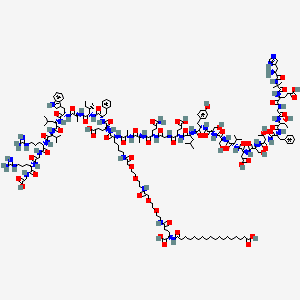
Semaglutide is a GLP‑1 analogue with 94% sequence homology to human GLP‑1. Semaglutide acts as a GLP‑1 receptor agonist that selectively binds to and activates the GLP‑1 receptor, the target for native GLP‑1.
GLP-1 is a physiological hormone that has multiple actions in glucose and appetite regulation, and in the cardiovascular system. The glucose and appetite effects are specifically mediated via GLP‑1 receptors in the pancreas and the brain.
Semaglutide reduces blood glucose in a glucose dependent manner by stimulating insulin secretion and lowering glucagon secretion when blood glucose is high. The mechanism of blood glucose lowering also involves a minor delay in gastric emptying in the early postprandial phase. During hypoglycaemia, semaglutide diminishes insulin secretion and does not impair glucagon secretion.
Semaglutide reduces body weight and body fat mass through lowered energy intake, involving an overall reduced appetite. In addition, semaglutide reduces the preference for high fat foods.
GLP‑1 receptors are also expressed in the heart, vasculature, immune system and kidneys.
Semaglutide had a beneficial effect on plasma lipids, lowered systolic blood pressure and reduced inflammation in clinical studies. In animal studies, semaglutide attenuates the development of atherosclerosis by preventing aortic plaque progression and reducing inflammation in the plaque.
The mechanism of kidney-related risk reduction has not been established.
Pharmacodynamic effects
All pharmacodynamic evaluations were performed after 12 weeks of treatment (including dose escalation) at steady state with semaglutide 1 mg once weekly.
Fasting and postprandial glucose
Semaglutide reduces fasting and postprandial glucose concentrations. In patients with type 2 diabetes, treatment with semaglutide 1 mg resulted in reductions in glucose in terms of absolute change from baseline (mmol/L) and relative reduction compared to placebo (%) for fasting glucose (1.6 mmol/L; 22% reduction), 2 hour postprandial glucose (4.1 mmol/L; 37% reduction), mean 24 hour glucose concentration (1.7 mmol/L; 22% reduction) and postprandial glucose excursions over 3 meals (0.6‑1.1 mmol/L) compared with placebo. Semaglutide lowered fasting glucose after the first dose.
Beta-cell function and insulin secretion
Semaglutide improves beta-cell function. Compared to placebo, semaglutide improved first- and second-phase insulin response with a 3– and 2–fold increase, respectively, and increased maximal beta-cell secretory capacity in patients with type 2 diabetes. In addition, semaglutide treatment increased fasting insulin concentrations compared to placebo.
Glucagon secretion
Semaglutide lowers the fasting and postprandial glucagon concentrations. In patients with type 2 diabetes, semaglutide resulted in the following relative reductions in glucagon compared to placebo: fasting glucagon (8–21%), postprandial glucagon response (14–15%) and mean 24 hour glucagon concentration (12%).
Glucose dependent insulin and glucagon secretion
Semaglutide lowered high blood glucose concentrations by stimulating insulin secretion and lowering glucagon secretion in a glucose dependent manner. With semaglutide, the insulin secretion rate in patients with type 2 diabetes was comparable to that of healthy subjects.
During induced hypoglycaemia, semaglutide compared to placebo did not alter the counter regulatory responses of increased glucagon and did not impair the decrease of C‑peptide in patients with type 2‑diabetes.
Gastric emptying
Semaglutide caused a minor delay of early postprandial gastric emptying, thereby reducing the rate at which glucose appears in the circulation postprandially.
Appetite, energy intake and food choice
Semaglutide compared to placebo lowered the energy intake of 3 consecutive
ad libitum
meals by 18‑35%. This was supported by a semaglutide-induced suppression of appetite in the fasting state as well as postprandially, improved control of eating, less food cravings and a relative lower preference for high fat food.
Fasting and postprandial lipids
Semaglutide compared to placebo lowered fasting triglyceride and very low density lipoproteins (VLDL) cholesterol concentrations by 12% and 21%, respectively. The postprandial triglyceride and VLDL cholesterol response to a high fat meal was reduced by >40%.
Cardiac electrophysiology (QTc)
The effect of semaglutide on cardiac repolarization was tested in a thorough QTc trial. Semaglutide did not prolong QTc intervals at dose levels up to 1.5 mg at steady state.
Clinical efficacy and safety
Improvement of glycaemic control, reduction of cardiovascular morbidity and mortality and risk reduction of chronic kidney disease progression are an integral part of the treatment of type 2 diabetes.
The efficacy and safety of semaglutide 0.5 mg and 1 mg once weekly were evaluated in six randomised controlled phase 3a trials that included 7 215 patients with type 2 diabetes mellitus (4 107 treated with semaglutide). Five trials (SUSTAIN 1–5) had the glycaemic efficacy assessment as the primary objective, while one trial (SUSTAIN 6) had cardiovascular outcome as the primary objective.
The efficacy and safety of semaglutide 2 mg once weekly was evaluated in a phase 3b trial (SUSTAIN FORTE) including 961 patients.
In addition, a phase 3b trial (SUSTAIN 7) including 1 201 patients was conducted to compare the efficacy and safety of semaglutide 0.5 mg and 1 mg once weekly to dulaglutide 0.75 mg and 1.5 mg once weekly, respectively. A phase 3b trial (SUSTAIN 9), was conducted to investigate the efficacy and safety of semaglutide as add-on to SGLT2 inhibitor treatment.
Treatment with semaglutide demonstrated sustained, statistically superior and clinically meaningful reductions in HbA
1c
and body weight for up to 2 years compared to placebo and active control treatment (sitagliptin, insulin glargine, exenatide ER and dulaglutide).
The efficacy of semaglutide was not impacted by age, gender, race, ethnicity, BMI at baseline, body weight (kg) at baseline, diabetes duration and level of renal function impairment.
Results target the on-treatment period in all randomised subjects (analyses based on mixed models for repeated measurements or multiple imputation).
In addition, a phase 3b trial (SUSTAIN 11), was conducted to investigate the effect of semaglutide versus insulin aspart, both as add-on to metformin and optimised insulin glargine (U100).
A phase 3b functional capacity trial (STRIDE) including 792 patients was conducted to investigate the effects of semaglutide 1 mg once weekly versus placebo in patients with type 2 diabetes and peripheral arterial disease.
A phase 3b kidney outcomes trials (FLOW) including 3 533 patients was conducted to investigate the effects of semaglutide 1 mg once weekly versus placebo on the progression of kidney impairment in patients with type 2 diabetes and chronic kidney disease.
Detailed information is provided below.
SUSTAIN 1 – Monotherapy
In a 30-week double-blind placebo-controlled trial, 388 patients inadequately controlled with diet and exercise, were randomised to semaglutide 0.5 mg or semaglutide 1 mg once weekly or placebo.
Table 2 SUSTAIN 1: Results at week 30
Semaglutide
0.5 mg
Semaglutide
1 mg
Placebo
Intent-to-Treat (ITT) Population (N)
128
130
129
HbA
1c
(%)
Baseline (mean)
8.1
8.1
8.0
Change from baseline at week 30
-1.5
-1.6
0
Difference from placebo [95% CI]
-1.4 [-1.7, -1.1]
a
-1.5 [-1.8, -1.2]
a
-
Patients (%) achieving HbA
1c
<7%
74
72
25
FPG (mmol/L)
Baseline (mean)
9.7
9.9
9.7
Change from baseline at week 30
-2.5
-2.3
-0.6
Body weight (kg)
Baseline (mean)
89.8
96.9
89.1
Change from baseline at week 30
-3.7
-4.5
-1.0
Difference from placebo [95% CI]
-2.7 [-3.9, -1.6]
a
-3.6 [-4.7, -2.4]
a
-
a
p <0.0001 (2-sided) for superiority
SUSTAIN 2 – Semaglutide vs. sitagliptin both in combination with 1–2 oral antidiabetic medicinal products (metformin and/or thiazolidinediones)
In a 56-week active-controlled double-blind trial, 1 231 patients were randomised to semaglutide 0.5 mg once weekly, semaglutide 1 mg once weekly or sitagliptin 100 mg once daily, all in combination with metformin (94%) and/or thiazolidinediones (6%).
Table 3 SUSTAIN 2: Results at week 56
Semaglutide
0.5 mg
Semaglutide
1 mg
Sitagliptin
100 mg
Intent-to-Treat (ITT) Population (N)
409
409
407
HbA
1c
(%)
Baseline (mean)
8.0
8.0
8.2
Change from baseline at week 56
-1.3
-1.6
-0.5
Difference from sitagliptin [95% CI]
-0.8 [-0.9, -0.6]
a
-1.1 [-1.2, -0.9]
a
-
Patients (%) achieving HbA
1c
<7%
69
78
36
FPG (mmol/L)
Baseline (mean)
9.3
9.3
9.6
Change from baseline at week 56
-2.1
-2.6
-1.1
Body weight (kg)
Baseline (mean)
89.9
89.2
89.3
Change from baseline at week 56
-4.3
-6.1
-1.9
Difference from sitagliptin [95% CI]
-2.3 [-3.1, -1.6]
a
-4.2 [-4.9, -3.5]
a
-
a
p <0.0001 (2-sided) for superiority
Figure 1 Mean change in HbA
1c
(%) and body weight (kg) from baseline to week 56
SUSTAIN 7 – Semaglutide vs. dulaglutide both in combination with metformin
In a 40-week, open-label trial, 1 201 patients on metformin were randomised 1:1:1:1 to once weekly semaglutide 0.5 mg, dulaglutide 0.75 mg, semaglutide 1 mg or dulaglutide 1.5 mg, respectively .
The trial compared 0.5 mg of semaglutide to 0.75 mg of dulaglutide and 1 mg of semaglutide to 1.5 mg of dulaglutide.
Gastrointestinal disorders were the most frequent adverse events, and occurred in similar proportion of patients receiving semaglutide 0.5 mg (129 patients [43%]), semaglutide 1 mg (133 [44%]), and dulaglutide 1.5 mg (143 [48%]); fewer patients had gastrointestinal disorders with dulaglutide 0.75 mg (100 [33%]).
At week 40, the increase in pulse rate for semaglutide (0.5 mg and 1 mg) and dulaglutide (0.75 mg and 1.5 mg) was 2.4, 4.0, and 1.6, 2.1, beats/min, respectively.
Table 4 SUSTAIN 7: Results at week 40
Semaglutide
0.5 mg
Semaglutide
1 mg
Dulaglutide
0.75 mg
Dulaglutide
1.5 mg
Intent-to-Treat (ITT)
Population(N)
301
300
299
299
HbA
1c
(%)
Baseline (mean)
8.3
8.2
8.2
8.2
Change from baseline at week 40
-1.5
-1.8
-1.1
-1.4
Difference from dulaglutide
[95% CI]
-0.4
b
[-0.6, -0.2]
a
-0.4
c
[-0.6, -0.3]
a
-
-
Patients (%) achieving HbA
1c
<7%
68
79
52
67
FPG (mmol/L)
Baseline (mean)
9.8
9.8
9.7
9.6
Change from baseline at week 40
-2.2
-2.8
-1.9
-2.2
Body weight (kg)
Baseline (mean)
96.4
95.5
95.6
93.4
Change from baseline at week 40
-4.6
-6.5
-2.3
-3.0
Difference from dulaglutide
[95% CI]
-2.3
b
[-3.0, -1.5]
a
-3.6
c
[-4.3, -2.8]
a
-
-
a
p <0.0001 (2-sided) for superiority
b
semaglutide 0.5 mg vs dulaglutide 0.75 mg
c
semaglutide 1 mg vs dulaglutide 1.5 mg
Figure 2 Mean change in HbA
1c
(%) and body weight (kg) from baseline to week 40
SUSTAIN 3 – Semaglutide vs. exenatide ER both in combination with metformin or metformin with sulfonylurea
In a 56-week open-label trial, 813 patients on metformin alone (49%), metformin with sulfonylurea (45%) or other (6%) were randomised to semaglutide 1 mg or exenatide ER 2 mg once weekly.
Table 5 SUSTAIN 3: Results at week 56
Semaglutide
1 mg
Exenatide ER
2 mg
Intent-to-Treat (ITT) Population (N)
404
405
HbA
1c
(%)
Baseline (mean)
8.4
8.3
Change from baseline at week 56
-1.5
-0.9
Difference from exenatide [95% CI]
-0.6 [-0.8, -0.4]
a
-
Patients (%) achieving HbA
1c
<7%
67
40
FPG (mmol/L)
Baseline (mean)
10.6
10.4
Change from baseline at week 56
-2.8
-2.0
Body weight (kg)
Baseline (mean)
96.2
95.4
Change from baseline at week 56
-5.6
-1.9
Difference from exenatide [95% CI]
-3.8 [-4.6, -3.0]
a
-
a
p <0.0001 (2-sided) for superiority
SUSTAIN 4 – Semaglutide vs. insulin glargine both in combination with 1–2 oral antidiabetic medicinal products (metformin or metformin and sulfonylurea)
In a 30-week open-label comparator trial 1 089 patients were randomised to semaglutide 0.5 mg once weekly, semaglutide 1 mg once weekly, or insulin glargine once-daily on a background of metformin (48%) or metformin and sulfonylurea (51%).
Table 6 SUSTAIN 4: Results at week 30
Semaglutide
0.5 mg
Semaglutide
1 mg
Insulin Glargine
Intent-to-Treat (ITT) Population (N)
362
360
360
HbA
1c
(%)
Baseline (mean)
8.1
8.2
8.1
Change from baseline at week 30
-1.2
-1.6
-0.8
Difference from insulin glargine [95% CI]
-0.4 [-0.5, -0.2]
a
-0.8 [-1.0, -0.7]
a
-
Patients (%) achieving HbA
1c
<7%
57
73
38
FPG (mmol/L)
Baseline (mean)
9.6
9.9
9.7
Change from baseline at week 30
-2.0
-2.7
-2.1
Body weight (kg)
Baseline (mean)
93.7
94.0
92.6
Change from baseline at week 30
-3.5
-5.2
+1.2
Difference from insulin glargine [95% CI]
-4.6 [-5.3, -4.0]
a
-6.34 [-7.0, -5.7]
a
-
a
p <0.0001 (2-sided) for superiority
SUSTAIN 5 – Semaglutide vs. placebo both in combination with basal insulin
In a 30-week double-blind placebo-controlled trial, 397 patients inadequately controlled with basal insulin with or without metformin were randomised to semaglutide 0.5 mg once weekly, semaglutide 1 mg once weekly or placebo.
Table 7 SUSTAIN 5: Results at week 30
Semaglutide
0.5 mg
Semaglutide
1 mg
Placebo
Intent-to-Treat (ITT) Population (N)
132
131
133
HbA
1c
(%)
Baseline (mean)
8.4
8.3
8.4
Change from baseline at week 30
-1.4
-1.8
-0.1
Difference from placebo [95% CI]
-1.4 [-1.6, -1.1]
a
-1.8 [-2.0, -1.5]
a
-
Patients (%) achieving HbA
1c
<7%
61
79
11
FPG (mmol/L)
Baseline (mean)
8.9
8.5
8.6
Change from baseline at week 30
-1.6
-2.4
-0.5
Body weight (kg)
Baseline (mean)
92.7
92.5
89.9
Change from baseline at week 30
-3.7
-6.4
-1.4
Difference from placebo [95% CI]
-2.3 [-3.3, -1.3]
a
-5.1 [-6.1, -4.0]
a
-
a
p <0.0001 (2-sided) for superiority
SUSTAIN FORTE – Semaglutide 2 mg vs. semaglutide 1 mg
In a 40-week double-blind trial, 961 patients inadequately controlled with metformin with or without sulfonylurea were randomised to semaglutide 2 mg once weekly or semaglutide 1 mg once weekly.
Treatment with semaglutide 2 mg resulted in a statistically superior reduction in HbA
1c
after 40 weeks of treatment compared to semaglutide 1 mg.
Table 8 SUSTAIN FORTE: Results at week 40
Semaglutide
1 mg
Semaglutide
2 mg
Intent-to-Treat (ITT) Population (N)
481
480
HbA
1c
(%)
Baseline (mean)
8.8
8.9
Change from baseline at week 40
-1.9
-2.2
Difference from semaglutide 1 mg [95% CI]
-
-0.2 [-0.4, -0.1]
a
Patients (%) achieving HbA
1c
<7%
58
68
FPG (mmol/L)
Baseline (mean)
10.9
10.7
Change from baseline at week 40
-3.1
-3.4
Body weight (kg)
Baseline (mean)
98.6
100.1
Change from baseline at week 40
-6.0
-6.9
Difference from semaglutide 1 mg [95% CI]
-0.9 [-1.7, -0.2]
b
a
p<0.001 (2-sided) for superiority
b
p<0.05 (2-sided) for superiority
SUSTAIN 9 – Semaglutide vs. placebo as add-on to SGLT2 inhibitor ± metformin or sulfonylurea
In a 30-week double-blind placebo-controlled trial, 302 patients inadequately controlled with SGLT2 inhibitor with or without metformin or sulfonylurea were randomised to semaglutide 1 mg once weekly or placebo.
Table 9 SUSTAIN 9: Results at week 30
Semaglutide
1 mg
Placebo
Intent-to-Treat (ITT) Population (N)
151
151
HbA
1c
(%)
Baseline (mean)
8.0
8.1
Change from baseline at week 30
-1.5
-0.1
Difference from placebo [95% CI]
-1.4 [-1.6, -1.2]
a
-
Patients (%) achieving HbA
1c
<7%
78.7
18.7
FPG (mmol/L)
Baseline (mean)
9.1
8.9
Change from baseline at week 30
-2.2
0.0
Body weight (kg)
Baseline (mean)
89.6
93.8
Change from baseline at week 30
-4.7
-0.9
Difference from placebo [95% CI]
-3.8 [-4.7, -2.9]
a
-
a
p < 0.0001 (2-sided) for superiority, adjusted regarding multiplicity based on hierarchical testing of the HbA
1c
value and body weight
SUSTAIN 11 - Semaglutide vs. insulin aspart as add-on to insulin glargine + metformin
In a 52-week open-label trial, 1748 subjects with inadequately controlled T2D after a 12-week run-in period on insulin glargine and metformin were randomised to 1:1 to receive either semaglutide once-weekly (0.5 mg or 1.0 mg) or insulin aspart three times daily. The included population had a mean diabetes duration of 13.4 years and a mean HbA
1c
of 8.6%, with a target HbA
1c
of 6.5-7.5%.
Treatment with semaglutide resulted in reduction in HbA
1c
at week 52 (-1.5% for semaglutide vs. -1.2% for insulin aspart).
The number of severe hypoglycaemic episodes in both treatment arms was low (4 episodes with semaglutide vs. 7 episodes with insulin aspart).
Mean baseline body weight decreased with semaglutide (-4.1 kg) and increased with insulin aspart (+2.8 kg) and the estimated treatment difference was -6.99 kg (95%CI -7.41 to -6.57) at week 52.
Combination with sulfonylurea monotherapy
In SUSTAIN 6 (see subsection “Cardiovascular disease”) 123 patients were on sulfonylurea monotherapy at baseline. HbA
1c
at baseline was 8.2%, 8.4% and 8.4% for semaglutide 0.5 mg, semaglutide 1 mg, and placebo, respectively. At week 30, the change in HbA
1c
was ‑1.6%, -1.5% and 0.1% for semaglutide 0.5 mg, semaglutide 1 mg, and placebo, respectively.
Combination with premix insulin ± 1–2 OADs
In SUSTAIN 6 (see subsection “Cardiovascular disease”) 867 patients were on premix insulin (with or without OAD(s)) at baseline. HbA
1c
at baseline was 8.8%, 8.9% and 8.9% for semaglutide 0.5 mg, semaglutide 1 mg, and placebo, respectively. At week 30, the change in HbA
1c
was ‑1.3%, -1.8% and -0.4% for semaglutide 0.5 mg, semaglutide 1 mg, and placebo, respectively.
Cardiovascular disease
In a 104-week double-blind trial (SUSTAIN 6), 3 297 patients with type 2 diabetes mellitus at high cardiovascular risk were randomised to either semaglutide 0.5 mg once weekly, semaglutide 1 mg once weekly or corresponding placebo in addition to standard-of-care hereafter followed for 2 years. In total 98% of the patients completed the trial and the vital status was known at the end of the trial for 99.6% of the patients.
The trial population was distributed by age as: 1 598 patients (48.5%) ≥65 years, 321 (9.7%) ≥75 years, and 20 (0.6%) ≥85 years. There were 2 358 patients with normal or mild renal impairment, 832 with moderate and 107 with severe or end stage renal impairment. There were 61% males, the mean age was 65 years and mean BMI was 33 kg/m
2
. The mean duration of diabetes was 13.9 years.
The primary endpoint was time from randomisation to first occurrence of a major adverse cardiovascular event (MACE): cardiovascular death, non-fatal myocardial infarction or non-fatal stroke.
The total number of primary component MACE endpoints was 254, including 108 (6.6%) with semaglutide and 146 (8.9%) with placebo. See figure 4 for results on primary and secondary cardiovascular endpoints. Treatment with semaglutide resulted in a 26% risk reduction in the primary composite outcome of death from cardiovascular causes, non-fatal myocardial infarction or non-fatal stroke. The total numbers of cardiovascular deaths, non-fatal myocardial infarctions and non-fatal strokes were 90, 111, and 71, respectively, including 44 (2.7%), 47 (2.9%), and 27 (1.6%), respectively, with semaglutide (figure 4). The risk reduction in the primary composite outcome was mainly driven by decreases in the rate of non-fatal stroke (39%) and non‑fatal myocardial infarction (26%) (figure 3).
Figure 3 Kaplan-Meier plot of time to first occurrence of the composite outcome: cardiovascular death, non-fatal myocardial infarction or non-fatal stroke (SUSTAIN 6)
Figure 4 Forest plot: analyses of time to first occurrence of the composite outcome, its components and all cause death (SUSTAIN 6)
There were 158 events of new or worsening nephropathy. The hazard ratio [95% CI] for time to nephropathy (new onset of persistent macroalbuminuria, persistent doubling of serum creatinine, need for continuous renal replacement therapy and death due to renal disease) was 0.64 [0.46; 0.88] driven by new onset of persistent macroalbuminuria.
Body weight
After one year of treatment, a weight loss of ≥5% and ≥10% was achieved for more subjects with semaglutide 0.5 mg (46% and 13%) and 1 mg (52 – 62% and 21 – 24%) compared with the active comparators sitagliptin (18% and 3%) and exenatide ER (17% and 4%).
In the 40-week trial versus dulaglutide a weight loss of ≥5% and ≥10% was achieved for more subjects with semaglutide 0.5 mg (44% and 14%) compared with dulaglutide 0.75 mg (23% and 3%) and semaglutide 1 mg (up to 63% and 27%) compared with dulaglutide 1.5 mg (30% and 8%).
A significant and sustained reduction in body weight from baseline to week 104 was observed with semaglutide 0.5 mg and 1 mg vs placebo 0.5 mg and 1 mg, in addition to standard-of-care (‑3.6 kg and ‑4.9 kg vs -0.7 kg and -0.5 kg , respectively) in SUSTAIN 6.
Blood pressure
Significant reductions in mean systolic blood pressure were observed when semaglutide 0.5 mg (3.5‑5.1 mmHg) and 1 mg (5.4–7.3 mmHg) were used in combination with oral antidiabetic medicinal products or basal insulin. For diastolic blood pressure, there were no significant differences between semaglutide and comparators. The observed reductions in systolic blood pressure for semaglutide 2 mg and 1 mg at week 40 were 5.3 mmHg and 4.5 mmHg, respectively.
Functional capacity in patients with type 2 diabetes (T2D) and peripheral arterial disease (PAD)
STRIDE (NCT04560998) was a 52-week, randomised, double-blind, placebo-controlled trial comparing semaglutide 1 mg versus placebo added to standard-of-care and administered once-weekly in patients with T2D and PAD with intermittent claudication (Fontaine staging IIa). The treatment duration is 52 weeks including an eight weeks dose escalation period. The follow-up period is 5 weeks. The primary objective was to demonstrate the effect of semaglutide 1 mg once-weekly on walking ability compared with placebo, added to standard-of-care, in patients with T2D and PAD with intermittent claudication. The primary endpoint was change in maximum walking distance on a constant load treadmill test with fixed inclination of 12% and a fixed speed of 3.2 km/h (2 mph) from baseline to week 52. The confirmatory secondary endpoints were follow-up change in maximum walking distance from baseline to week 57, change in Vascular Quality of Life Questionnaire-6 (VascuQoL-6) score from baseline to week 52 and change in pain-free walking distance from baseline to week 52.
A total of 792 patients were randomised 1:1 to receive either semaglutide 1 mg or placebo for 52 weeks and followed for an additional 5 weeks off-treatment.
STRIDE included a population of patients with T2D and stable symptomatic PAD with intermittent claudication corresponding to Fontaine stage IIa (Rutherford classification grade I, category 1 and 2) with ankle-brachial index (ABI) ≤0.90 or toe-brachial index (TBI) ≤0.70 (the leg with lowest index was chosen in case of bilateral disease) and MWD ≤600 meters on a constant load treadmill test. The mean age of the study population was 67 years, and 75.4% of patients were male and 24.6 % of patients were female.
The effect of semaglutide 1 mg once-weekly on patient-perceived symptoms and the impact of intermittent claudication for patients living with T2D and PAD was assessed using the VascuQoL-6 questionnaire. The questionnaire comprises 6 items addressing symptoms, pain, social and emotional impact, and activity limitations. Each item is scored on a 4-point numeric response scale (1 = worst; 4 = best), with higher scores indicating a better health status, resulting in a total score ranging from 6 to 24 points.
In STRIDE, treatment with semaglutide 1 mg once-weekly resulted in a statistically significant improvement in the functional capacity outcomes (maximum walking distance, pain-free walking distance) and patient reported symptoms and impacts of intermittent claudication (VascuQol-6 total score) at week 52 compared to placebo. For the primary endpoint, the estimated treatment effect was 13% (95% CI: 1.06-1.2) relative improvement , which represents a median change in maximum walking distance of 26 meters (95% CI: 12-41) on a constant load treadmill. This treatment effect is estimated regardless of treatment discontination or use of rescue medication and where death or inability to perform the treadmill test were incorporated into the endpoint as unfavourable outcome. Figure 5 displays placebo-corrected change in maximum walking distance at Week 52 (Hodges-Lehmann estimate in %) in relevant subgroups.
Table 10
:
Analysis of the Primary and Secondary endpoints from the STRIDE trial
Intention-to-treat
a
Ozempic
N = 396
Placebo
N = 396
Maximum walking distance (meters)
Baseline
b
median (IQR)
185 (127, 274)
186 (134, 262)
Primary endpoint
Week 52
Ratio to baseline median (IQR)
1.21 (0.95, 1.55)
1.08 (0.86, 1.36)
Treatment ratio (HL Estimate) [95% CI]
c
1.13 [1.06, 1.21]*
Change from baseline median (IQR)
37 (–8, 109)
13 (–27, 70)
Treatment difference (HL Estimate) [95% CI]
c
26 [12, 41]
+
Patients (%) experiencing meaningful within-patient change
d
49.1
35.1
Secondary endpoints
Week 57
Ratio to baseline median (IQR)
1.16 (0.92; 1.48)
1.10 (0.87; 1.40)
Treatment ratio (HL Estimate) [95% CI]
c
1.08 [1.00, 1.16]*
VascuQol-6 total score, week 52
Baseline median (IQR)
15 (13, 18)
15 (13, 17)
Change from baseline median (IQR)
2 (0, 4)
1 (–1, 4)
Treatment difference (HL Estimate) [95% CI]
c
1.00 [0.48, 1.52]*
Pain-free walking distance (meters), week 52
Baseline
b
median (IQR)
119 (76, 174)
109 (78, 170)
Ratio to baseline median (IQR)
1.21 (0.92, 1.52)
1.10 (0.86, 1.44)
Treatment ratio (HL Estimate) [95% CI]
c
1.11 [1.03, 1.20]*
IQR = interquartile range, 25th percentile to 75th percentile; HL = Hodges-Lehmann estimate of location shift (median of all paired differences between semaglutide and placebo); CI = confidence interval.
a
The intention-to-treat population includes all randomized patients. Missing data at week 52/57 due to death or physical inability to perform treadmill assessments were handled using composite strategy by assigning worst ranks. Missing data at post-baseline visits for other reasons were imputed using multiple imputation within groups defined by randomised treatment and completion status at week 52.
b
Baseline was defined as the average of the walking distance measurements taken at baseline visit (week 0).
c
95% CIs were estimated with the Hodges-Lehmann method.
*
p <0.05 (two-sided) for superiority of semaglutide vs. placebo obtained from Wilcoxon-rank sum test, adjusted for multiplicity. The primary and confirmatory secondary endpoints were tested in a pre-specified hierarchical order to control the overall type I error at 5% level of significance.
+
p <0.05 (two-sided) obtained from Wilcoxon-rank sum test, unadjusted for multiplicity.
d
The meaningful within-patient change for maximum walking distance at week 52 is defined as an improvement of at least 1.2 (20%) relative to baseline maximum walking distance. The 20% improvement was obtained from the anchor-based analysis based on 1-category improvement in the PGI-S (Patient Global Impression of Severity) scale. This threshold applies to the individual patient level, classifying patients into “responders” and “non-responders”. The binary endpoint (responder versus non-responder) was analysed using a logistic regression model with randomised treatment as a fixed factor.
Figure 5: Forest plot: Ratio to baseline in Maximum walking distance at week 52 in subgroups (STRIDE)
ITT - Intention-to-treat population, HL* - Hodges-Lehmann estimate of location shift (median of all paired differences between semaglutide and placebo), CI -confidence interval.
Kidney Outcomes Trial of Ozempic in Adults with Type 2 Diabetes Mellitus and Chronic Kidney Disease
FLOW (NN9535-4321) was a randomised, double-blind, placebo-controlled, event driven trial in adults with type 2 diabetes mellitus and chronic kidney disease (eGFR 25 to 75 mL/min/1.73 m
2
with urine albumin-to-creatinine ratio [UACR] >100 mg/g and <5000 mg/g). All patients needed to have an HbA
1c
≤10% at screening and be receiving standard of care background therapy, including a maximum tolerated labeled dose of a renin-angiotensin-aldosterone system (RAAS) blocking agent including an angiotensin converting enzyme (ACE) inhibitor or an angiotensin II receptor blocker (ARB), unless such treatment was contraindicated or not tolerated. The trial excluded patients with congenital or hereditary kidney diseases including polycystic kidney disease, autoimmune kidney diseases including glomerulonephritis or congenital urinary tract malformations.
A total of 3 533 patients were randomized to receive Ozempic 1 mg once weekly or placebo and were followed for a median of 41 months. The mean age of the study population was 67 years, and 70% of patients were male. Approximately 66% of the trial population was White, 24% Asian, and 5% Black or African American. At baseline, the mean eGFR was 47 mL/min/1.73m
2
, with 11% of patients having an eGFR <30 mL/min/1.73m
2
. Median baseline UACR was 568 mg/g with 69% of patients with a UACR >300 mg/g. At baseline, 95% of patients were treated with an ACE inhibitor or ARB, 16% were on sodium-glucose cotransporter 2 (SGLT2) inhibitors, 76% were on a statin, and 50% were on an antiplatelet agent.
Ozempic was superior to placebo in reducing the incidence of the primary composite endpoint of a sustained decline in eGFR of ≥50%, sustained eGFR <15 mL/min/1.73 m
2
, chronic renal replacement therapy, renal death, CV death (HR 0.76 [95% CI 0.66, 0.88], p=0.0003) as shown in
Table 11
and
Figure 6
. The treatment effect reflected a reduction in a sustained decline in eGFR of ≥50%, progression to kidney failure and CV death. There were few renal deaths during the trial.
Ozempic also reduced the annual rate of change in eGFR (
Figure 8
), the incidence of a composite cardiovascular endpoint, consisting of non-fatal myocardial infarction (MI), non-fatal stroke, and cardiovascular death, and the incidence of all-cause death (
Table 11
and
Figure 7
).
The treatment effect on the primary composite endpoint was generally consistent across the pre-specified subgroups examined, including age, biological sex, eGFR and UACR. The treatment benefit on the primary composite endpoint was not evident in patients taking SGLT2 inhibitors at baseline, but there were few events in these patients.
Table 11: Analyses of the Primary and Secondary Endpoints and their Individual Components in FLOW Trial
Placebo
N=1766 (%)
OZEMPIC 1 mg
N=1767 (%)
Hazard ratio vs
placebo
(95% CI)
1
p-value
2
Number of Patients (%)
Composite Endpoint (≥ 50% sustained eGFR decline, sustained eGFR < 15 mL/min/1.73 m
2
, chronic renal replacement therapy, or renal or cardiovascular death (time to first occurrence)
3
410 (23.2)
331 (18.7)
0.76 (0.66, 0.88)
0.0003
≥ 50% sustained eGFR decline
3
213 (12.1)
165 (9.3)
0.73 (0.59, 0.89)
Sustained eGFR <15mL/min/1.73 m
2 3
110 (6.2)
92 (5.2)
0.80 (0.61, 1.06)
Chronic renal replacement therapy
100 (5.7)
87 (4.9)
0.84 (0.63, 1.12)
Renal death
5 (0.3)
5 (0.3)
0.97 (0.27, 3.49)
Cardiovascular death
169 (9.6)
123 (7.0)
0.71 (0.56, 0.89)
Composite of cardiovascular death, non-fatal myocardial infarction, non-fatal stroke (time to first occurrence)
254 (14.4)
212 (12.0)
0.82 (0.68, 0.98)
0.0289
All-cause death
279 (15.8)
227 (12.8)
0.80 (0.67, 0.95)
0.0104
1
Cox proportional hazards model with treatment as factor and stratified by baseline use of SGLT2-inhibitor at baseline (yes or no).
2
Two-sided p-value for the test of no difference. The significance level was 0.03224.
3
Sustained was defined as having 2 consecutive measurements ≥28 days apart fulfilling the criteria.
Figure 6. Cumulative Incidence: Time to First Occurrence of the Primary Composite Endpoint - Sustained Decline in eGFR ≥50%, Sustained eGFR<15 mL/min/1.73m
2
, Chronic Renal Replacement Therapy, Renal Death or CV death
Cumulative incidence estimates are based on time from randomization to first composite renal event with non-CV and non-renal death modelled as competing risk. The x-axis is truncated at 52 months where approximately 5% of the population was in the trial. Sustained was defined as having 2 consecutive measurements ≥28 days apart fulfilling the criteria.
Figure 7. Cumulative incidence: Time to First Occurrence of MACE in FLOW
Trial
Cumulative incidence estimates are based on time from randomization to first EAC-confirmed MACE with non-CV death modelled as competing risk. The x-axis is truncated at 52 months where approximately 5% of the population was in the trial.
Figure 8. Observed Mean Plot: eGFR (mL/min/1.73m2) by Week in FLOW Trial
Observed data from the in-trial period until week 104. Error bars are +/- 1.96 *standard error of the mean eGFR, which was calculated using the CKD-EPI 2009 formula.
CKD-EPI: Chronic Kidney Disease Epidemiology Collaboration, eGFR: estimated glomerular filtration rate.
Paediatric population
The MHRA has deferred the obligation to submit the results of studies with Ozempic in one or more subsets of the paediatric population in type 2 diabetes (see section 4.2 for information on paediatric use).
⚠️ Warnings
The patient should be advised to discard the injection needle after each injection and store the pen without an injection needle attached. This may prevent blocked needles, contamination, infection, leakage of solution and inaccurate dosing.
The pen is for use by one person only.
Ozempic should not be used if it does not appear clear and colourless or almost colourless.
Ozempic should not be used if it has been frozen.
Ozempic can be administered with 30G, 31G, and 32G disposable needles up to a length of 8 mm.
Any unused medicinal product and other waste material should be disposed of in accordance with local requirements.