This information is for educational purposes only. It is not intended as medical advice. Always consult a qualified healthcare professional.
HealthdirectFree Australian health advice you can count on. — Description, Dosage, Side Effects | PillsCard
OTC
HealthdirectFree Australian health advice you can count on.
100 mg/1, Tablet, coated
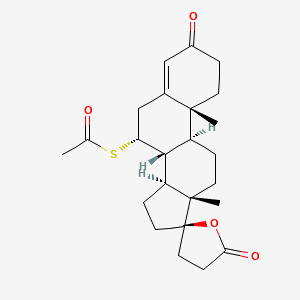
INN: SPIRONOLACTONE
Data updated: 2026-04-19
Available in:
🇩🇪🇬🇧🇯🇵
Form
TABLET, COATED
Dosage
100 mg/1
Route
ORAL
Storage
—
About This Product
Manufacturer
User Reviews
Reviews reflect personal experiences and are not medical advice. Always consult your doctor.
Preferred Pharmaceuticals, Inc
ATC Code
C03DA01
Source
OPENFDA_NDC
(
ARTG
)
Essential hypertension; oedematous disorders such as oedema and ascites of congestive cardiac failure, cirrhosis of the liver and nephrotic syndrome; diagnosis and treatment of primary aldosteronism; as adjunctive therapy in malignant hypertension; in diuretic induced hypokalaemia when other measures are considered inappropriate or inadequate; prophylaxis of hypokalaemia in patients taking digitalis when other measures are considered inadequate or inappropriate; hirsutism. Essential hypertension. Spironolactone, when used alone, is effective in lowering both systolic and diastolic blood pressure. Spironolactone improves the hypotensive action of thiazide diuretics, while at the same time reducing or preventing potassium loss due to the thiazide. Spironolactone enhances the effectiveness of other antihypertensive agents such as beta-blockers, vasodilators, etc. Congestive cardiac failure. When used alone, spironolactone is effective in the management of oedema and sodium retention associated with congestive cardiac failure. Spironolactone may be used in combination with a thiazide or other conventional diuretics for achieving diuresis in patients whose oedema is resistant to a thiazide or other conventional diuretics. Unlike conventional diuretics, spironolactone does not produce hypokalaemia. When administered with a thiazide or other conventional diuretics, spironolactone offsets hypokalaemia induced by these diuretics. The prevention of potassium loss is particularly important in the treatment of digitalised patients, since digitalis intoxication may be precipitated if hypokalaemia is induced by conventional diuretic therapy. Hepatic cirrhosis with ascites and oedema. When used alone, spironolactone is frequently adequate for the relief of ascites and oedema associated with hepatic cirrhosis. It provides a mild and even diuresis and prevents excessive potassium excretion caused by thiazide diuretics, thus avoiding possible precipitation of hepatic coma. Nephrotic syndrome. Although glucocorticoids, whose anti-inflammatory activity appears to benefit the primary pathological process in the renal glomerulus, should probably be employed first, spironolactone either alone or in combination with a conventional diuretic is useful for inducing diuresis. Primary hyperaldosteronism. Spironolactone may be used to establish the diagnosis of primary hyperaldosteronism by therapeutic trial. Spironolactone may also be used for the short-term preoperative treatment of patients with primary hyperaldosteronism, long-term maintenance therapy for patients with discrete aldosterone producing adrenal adenomas who are judged to be poor operative risks (or who decline surgery), and long-term maintenance therapy for patients with bilateral micro- or macronodular adrenal hyperplasia (idiopathic hyperaldosteronism). Hirsutism in females. Spironolactone is effective in the treatment of females with hirsutism, an androgen related increase in facial and body hair. A reduction in hair growth, hair shaft diameter and hair pigmentation is seen. Use of Spiractin should be considered only after all other alternatives of non-drug therapy have been explored. For women of childbearing age, see Contraindications and Use in Pregnancy.