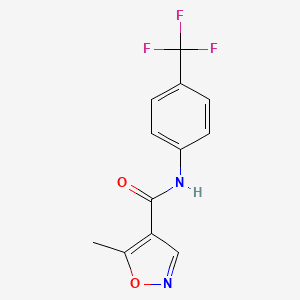
Concomitant or recent use of other disease-modifying antirheumatic drugs with hepatotoxic and haematotoxic properties may increase the risk of severe adverse effects; therefore, the decision to use combination therapy must be preceded by a thorough benefit-risk assessment. Switching from leflunomide to such drugs must be preceded by a washout period. Cases of severe liver injury, including fatalities, have been reported. Severe hepatic reactions occur mainly within the first 6 months. Alanine aminotransferase (ALT) activity should be monitored before starting treatment, every two weeks for the first 6 months, and then every 8 weeks. Complete blood count, total and differential white blood cell count, and platelet count should be performed at the same frequency. An increase in ALT 2–3 times above the upper limit of normal indicates the need for dose reduction. If dose reduction does not lead to a decrease in ALT, leflunomide should be discontinued and a washout procedure initiated. Therapy should also be discontinued in patients who develop severe haematological disorders. Patients at particular risk include those with anaemia, thrombocytopenia and/or leucopenia, and a history of bone marrow disorders.
Hepatic impairment and severe hypoproteinaemia lead to increased concentrations of the active metabolite of leflunomide A771726; therefore, the use of leflunomide is not recommended in such cases.
Due to the long half-life of the active metabolite, adverse effects may occur even after discontinuation of the drug. If accelerated elimination of the drug is required, a washout procedure should be performed.
The effects of concomitant use of leflunomide with antimalarial drugs used in rheumatic diseases (e.g. chloroquine and hydroxychloroquine), oral or intramuscular gold preparations, D-penicillamine, azathioprine, and other immunosuppressants, including tumour necrosis factor TNF-α inhibitors, are not known; therefore, the combination of these drugs requires particular caution.
Mucous membrane and skin changes during leflunomide therapy may be associated with the development of ulcerative stomatitis, Stevens-Johnson syndrome, toxic epidermal necrolysis, or drug rash with eosinophilia and systemic symptoms. In such cases, leflunomide must be discontinued. Discontinuation of treatment may be considered in patients who develop severe pustular psoriasis or exacerbation of psoriasis.
Leflunomide increases the risk of developing severe infections. Cases of progressive multifocal leukoencephalopathy have been reported in patients receiving leflunomide in combination with other immunosuppressants. Initiation of therapy should be preceded by screening for active or latent tuberculosis.
Patients should be monitored for symptoms of interstitial lung disease (cough, dyspnoea), and if necessary, the drug should be discontinued and appropriate diagnostic measures initiated.
Leflunomide may cause the development of peripheral neuropathy. Risk factors include age over 60 years, concomitant use of neurotoxic drugs, and diabetes.
Blood pressure should be monitored before and during therapy.
Transmission of toxic effects of leflunomide to the foetus via the male reproductive system cannot be excluded; therefore, men must use effective contraception. To minimise the risk of toxic effects on the foetus, men planning to father a child are advised to discontinue treatment and undergo a procedure for at least 11 days to reduce the plasma concentration of metabolite A771726 to a level not exceeding 0.02 mg/l. The concentration should be re-measured after at least 14 days. Maintaining plasma concentrations within normal limits for at least 3 months ensures minimal risk of foetal exposure.
Vaccination with live attenuated vaccines is not recommended during leflunomide therapy due to the unconfirmed safety and efficacy of such vaccinations. The long half-life of the drug should be taken into account when planning vaccination after completion of treatment.