This information is for educational purposes only. It is not intended as medical advice. Always consult a qualified healthcare professional.
Rx
Ofloxacin
100 mg/ml, Roztwór do podawania w wodzie do picia
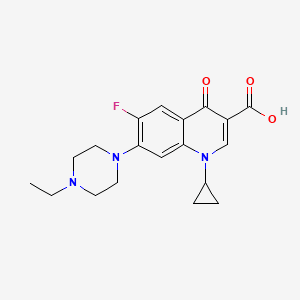
INN: Enrofloxacinum
Data updated: 2026-04-13
Available in:
🇬🇧🇫🇷🇵🇱🇵🇹🇺🇦
Form
Roztwór do podawania w wodzie do picia
Dosage
100 mg/ml
Route
Podanie domięśniowe, Podanie dożylne
Storage
STORAGE: Store at 20° to 25°C (68° to 77°F) [see USP Controlled Room Temperature]. Distributed by: Armas Pharmaceuticals, Inc. Freehold, NJ 07728 USA Manufactured by: Ophtapharm AG, Riethofstrasse 1, Hettlingen, 8442, Switzerland (CHE) for Sentiss Made in Switzerland 83100106 Rev. 08/23
User Reviews
Reviews reflect personal experiences and are not medical advice. Always consult your doctor.
DESCRIPTION Ofloxacin Ophthalmic Solution USP, 0.3% is a sterile ophthalmic solution. It is a fluorinated carboxyquinolone anti-infective for topical ophthalmic use. Chemical Name: (±)-9-Fluoro-2,3-dihydro-3-methyl-10-(4-methyl-1-piperazinyl)-7-oxo-7 H -pyrido [1,2,3- de ]-1,4-benzoxazine-6-carboxylic acid. Contains: Active: ofloxacin 0.3% (3 mg/mL); Preservative: benzalkonium chloride (0.005%); Inactives: sodium chloride and water for injection. May also contain hydrochloric acid and/or sodium hydroxide to adjust pH. Ofloxacin Ophthalmic Solution USP, 0.3% is unbuffered and formulated with a pH of 6.4 (range - 6.0 to 6.8). It has an osmolality of 300 mOsm/kg. Ofloxacin is a fluorinated 4-quinolone which differs from other fluorinated 4-quinolones in that there is a six member (pyridobenzoxazine) ring from positions 1 to 8 of the basic ring structure. Figure
⚠️ Warnings
WARNINGS NOT FOR INJECTION. Ofloxacin ophthalmic solution should not be injected subconjunctivally, nor should it be introduced directly into the anterior chamber of the eye. There are rare reports of anaphylactic reaction/shock and fatal hypersensitivity reactions in patients receiving systemic quinolones, some following the first dose, including ofloxacin. Some reactions were accompanied by cardiovascular collapse, loss of consciousness, angioedema (including laryngeal, pharyngeal or facial edema), airway obstruction, dyspnea, urticaria, and itching. A rare occurrence of Stevens-Johnson syndrome, which progressed to toxic epidermal necrolysis, has been reported in a patient who was receiving topical ophthalmic ofloxacin. If an allergic reaction to ofloxacin occurs, discontinue the drug. Serious acute hypersensitivity reactions may require immediate emergency treatment. Oxygen and airway management, including intubation should be administered as clinically indicated.