This information is for educational purposes only. It is not intended as medical advice. Always consult a qualified healthcare professional.
Asentra — Description, Dosage, Side Effects | PillsCard
OTC
Asentra
100 mg, Tabletki powlekane
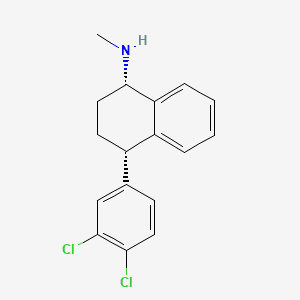
INN: Sertralinum
Data updated: 2026-04-11
Available in:
🇨🇿🇩🇪🇬🇧🇵🇱🇵🇹🇸🇰
Form
Tabletki powlekane
Dosage
100 mg
Route
—
Storage
—
About This Product
User Reviews
Reviews reflect personal experiences and are not medical advice. Always consult your doctor.
Manufacturer
Krka, d.d., Novo mesto
ATC Code
N06AB06
Source
URPL
Pharmacotherapeutic group: Selective serotonin reuptake inhibitors (SSRI), ATC code: N06 AB06
Mechanism of action
Sertraline is a potent and specific inhibitor of neuronal serotonin (5 HT) uptake in vitro, which results in the potentiation of the effects of 5-HT in animals. It has only very weak effects on norepinephrine and dopamine neuronal reuptake. At clinical doses, sertraline blocks the uptake of serotonin into human platelets. It is devoid of stimulant, sedative or anticholinergic activity or cardiotoxicity in animals. In controlled studies in normal volunteers, sertraline did not cause sedation and did not interfere with psychomotor performance. In accord with its selective inhibition of 5-HT uptake, sertraline does not enhance catecholaminergic activity. Sertraline has no affinity for muscarinic (cholinergic), serotonergic, dopaminergic, adrenergic, histaminergic, GABA or benzodiazepine receptors. The chronic administration of sertraline in animals was associated with down-regulation of brain norepinephrine receptors as observed with other clinically effective antidepressants and antiobsessional drugs.
Sertraline has not demonstrated potential for abuse. In a placebo-controlled, double-blind randomized study of the comparative abuse liability of sertraline, alprazolam and d-amphetamine in humans, sertraline did not produce positive subjective effects indicative of abuse potential. In contrast, subjects rated both alprazolam and d-amphetamine significantly greater than placebo on measures of drug liking, euphoria and abuse potential. Sertraline did not produce either the stimulation and anxiety associated with d-amphetamine or the sedation and psychomotor impairment associated with alprazolam. Sertraline does not function as a positive reinforcer in rhesus monkeys trained to self administer cocaine, nor does it substitute as a discriminative stimulus for either d-amphetamine or pentobarbital in rhesus monkeys.
Clinical efficacy and safety
Major Depressive Disorder
A study was conducted which involved depressed outpatients who had responded by the end of an initial 8-week open treatment phase on sertraline 50-200 mg/day. These patients (n=295) were randomized to continuation for 44 weeks on double-blind sertraline 50-200 mg/day or placebo. A statistically significantly lower relapse rate was observed for patients taking sertraline compared to those on placebo. The mean dose for completers was 70 mg/day. The % of responders (defined as those patients that did not relapse) for sertraline and placebo arms were 83.4% and 60.8%, respectively.
Post traumatic stress disorder (PTSD)
Combined data from the 3 studies of PTSD in the general population found a lower response rate in males compared to females. In the two positive general population trials, the male and female sertraline vs. placebo responder rates were similar (females: 57.2% vs 34.5%; males: 53.9% vs 38.2%). The number of male and female patients in the pooled general population trials was 184 and 430, respectively and hence the results in females are more robust and males were associated with other baseline variables (more substance abuse, longer duration, source of trauma etc) which are correlated with decreased effect.
Cardiac Electrophysiology
In a dedicated thorough QTc study, conducted at steady state at supratherapeutic exposures in healthy volunteers (treated with 400 mg/day, twice the maximum recommended daily dose), the upper bound of the 2-sided 90% CI for the time matched Least Square mean difference of QTcF between sertraline and placebo (11.666 msec) was greater than the predefined threshold of 10 msec at the 4-hour postdose time point. Exposure-response analysis indicated a slightly positive relationship between QTcF and sertraline plasma concentrations [0.036 msec/(ng/mL); p<0.0001]. Based on the exposure response model, the threshold for clinically significant prolongation of the QTcF (i.e. for predicted 90% CI to exceed 10 msec) is at least 2.6-fold greater than the average Cmax (86 ng/mL) following the highest recommended dose of sertraline (200 mg/day) (see sections 4.4, 4.5, 4.8 and 4.9).
Paediatric OCD
The safety and efficacy of sertraline (50-200 mg/day) was examined in the treatment of non-depressed children (6-12 years old) and adolescent (13-17 years old) outpatients with obsessive compulsive disorder (OCD). After a one week single blind placebo lead-in, patients were randomly assigned to twelve weeks of flexible dose treatment with either sertraline or placebo. Children (6-12 years old) were initially started on a 25 mg dose. Patients randomized to sertraline showed significantly greater improvement than those randomised to placebo on the Children's Yale-Brown Obsessive Compulsive Scale CY-BOCS (p =0.005) the NIMH Global Obsessive Compulsive Scale (p=0.019), and the CGI Improvement (p =0.002) scales. In addition, a trend toward greater improvement in the sertraline group than the placebo group was also observed on the CGI Severity scale (p=0.089). For CY-BOCs the mean baseline and change from baseline scores for the placebo group was 22.25 ± 6.15 and ‑3.4 ± 0.82, respectively, while for the sertraline group, the mean baseline and change from baseline scores were 23.36 ± 4.56 and -6.8 ± 0.87, respectively. In a post-hoc analysis, responders, defined as patients with a 25% or greater decrease in the CY-BOCs (the primary efficacy measure) from baseline to endpoint, were 53% of sertraline‑treated patients compared to 37% of placebo‑treated patients (p=0.03).
There are no long‑term clinical studies investigating efficacy in this paediatric population.
Paediatric population
No data is available for children under 6 years of age.
Post-marketing safety study SPRITES
An observational post-approval study of 941 patients aged 6 to 16 years old was conducted to evaluate the long-term safety of treatment with sertraline (with and without psychotherapy) compared with psychotherapy on cognitive, emotional, physical, and pubertal maturation for up to 3 years. This study was conducted in clinical practice settings in children and adolescents with primary diagnoses of obsessive compulsive disorder, depression, or other anxiety disorders and evaluated cognition [assessed by the Trails B test and the Metacognition Index from the Behaviour Rating Inventory of Executive Function (BRIEF), behavioural/emotional regulation (assessed by the Behavioural Regulation Index from the BRIEF) and physical/pubertal maturation (assessed by standardized height/weight/body mass index (BMI) and Tanner Stage)]. Sertraline is approved in the paediatric population only for patients aged 6 years of age and older with OCD (see section 4.1).
Standardization of each primary outcome measure based on sex and age norms showed that the overall results were consistent with normal development. No statistically significant differences were observed for the primary outcome measures, with the exception of weight. A statistically significant finding for standardized weight was observed in comparative analyses; however, the magnitude of the change in weight was small [mean (SD) change in standardized z-scores <0.5 SD]. There was a dose‑response relationship in weight gain.