This information is for educational purposes only. It is not intended as medical advice. Always consult a qualified healthcare professional.
Rx
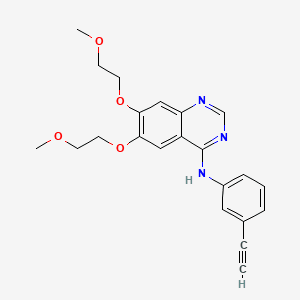
Tarceva
25 mg, Tabletki powlekane
INN: Erlotinibum
Data updated: 2026-04-13
Available in:
🇨🇿🇩🇪🇬🇧🇫🇷🇯🇵🇵🇱🇵🇹🇸🇰🇹🇷🇺🇦
Form
Tabletki powlekane
Dosage
25 mg
Route
doustna
Storage
—
User Reviews
Reviews reflect personal experiences and are not medical advice. Always consult your doctor.
About This Product
Manufacturer
CHEPLAPHARM Registration GmbH (Niemcy)
Composition
Erlotinibum 25 mg
ATC Code
L01EB02
Source
URPL
Pharmacotherapeutic group: antineoplastic agent protein kinase inhibitor, ATC code: L01EB02.
Mechanism of action
Erlotinib is an epidermal growth factor receptor/human epidermal growth factor receptor type 1 (EGFR also known as HER1) tyrosine kinase inhibitor. Erlotinib potently inhibits the intracellular phosphorylation of EGFR. EGFR is expressed on the cell surface of normal cells and cancer cells. In non-clinical models, inhibition of EGFR phosphotyrosine results in cell stasis and/or death.
EGFR mutations may lead to constitutive activation of anti-apoptotic and proliferation signaling pathways. The potent effectiveness of erlotinib in blocking EGFR-mediated signalling in these EGFR mutation positive tumours is attributed to the tight binding of erlotinib to the ATP-binding site in the mutated kinase domain of the EGFR. Due to the blocking of downstream-signaling, the proliferation of cells is stopped, and cell death is induced through the intrinsic apoptotic pathway. Tumour regression is observed in mouse models of enforced expression of these EGFR activating mutations.
Clinical efficacy
-
First-line Non-Small Cell Lung Cancer (NSCLC) therapy for patients with EGFR activating
mutations (erlotinib administered as monotherapy)
The efficacy of erlotinib in first-line treatment of patients with EGFR activating mutations in NSCLC was demonstrated in a phase III, randomised, open-label trial (ML20650, EURTAC). This study was conducted in Caucasian patients with metastatic or locally advanced NSCLC (stage IIIB and IV) who have not received previous chemotherapy or any systemic antitumour therapy for their advanced disease and who present mutations in the tyrosine kinase domain of the EGFR (exon 19 deletion or exon 21 mutation). Patients were randomised 1:1 to receive erlotinib 150 mg daily or up to 4 cycles of platinum based doublet chemotherapy.
The primary endpoint was investigator assessed PFS. The efficacy results are summarized in Table 3.
Figure 1: Kaplan-Meier curve for investigator assessed PFS in trial ML20650 (EURTAC) (April 2012 cut-off)
Table 3: Efficacy results of erlotinib versus chemotherapy in trial ML20650 (EURTAC)
Erlotinib
Chemotherapy
Hazard Ratio
(95% CI)
p-value
Pre-planned Interim Analysis (35% OS maturity) (n=153)
Cut-off date: Aug 2010
n=77
n=76
Primary endpoint:
Progression Free Survival (PFS, median in months)*
Investigator Assessed **
Independent Review **
9.4
10.4
5.2
5.4
0.42
[0.27-0.64]
0.47
[0.27-0.78]
p<0.0001
p=0.003
Best Overall Response Rate (CR/PR)
54.5%
10.5%
p<0.0001
Overall Survival (OS) (months)
22.9
18.8
0.80
[0.47-1.37]
p=0.4170
Exploratory
Analysis (40% OS maturity) (n=173)
Cut-off date: Jan 2011
n=86
n=87
PFS (median in months), Investigator assessed
9.7
5.2
0.37
[0.27-0.54]
p<0.0001
Best Overall Response Rate (CR/PR)
58.1%
14.9%
p<0.0001
OS (months)
19.3
19.5
1.04
[0.65-1.68]
p=0.8702
Updated
Analysis (62% OS maturity) (n=173)
Cut-off date: April 2012
n=86
n=87
PFS (median in months)
10.4
5.1
0.34
[0.23-0.49]
p<0.0001
OS*** (months)
22.9
20.8
0.93
[0.64-1.36]
p=0.7149
CR=complete response; PR=partial response
* A 58% reduction in the risk of disease progression or death was observed
** Overall concordance rate between investigator and IRC assessment was 70%
*** A high crossover was observed with 82% of the patients in the chemotherapy arm receiving subsequent therapy with an EGFR tyrosine kinase inhibitor and all but 2 of those patients had subsequent erlotinib.
- Maintenance NSCLC therapy after first-line chemotherapy (erlotinib administered as monotherapy)
The efficacy and safety of erlotinib as maintenance after first-line chemotherapy for NSCLC was investigated in a randomised, double-blind, placebo-controlled trial (BO18192, SATURN). This study was conducted in 889 patients with locally advanced or metastatic NSCLC who did not progress after 4 cycles of platinum-based doublet chemotherapy. Patients were randomised 1:1 to receive erlotinib 150 mg or placebo orally once daily until disease progression. The primary endpoint of the study included progression free survival (PFS) in all patients. Baseline demographic and disease characteristics were well balanced between the two treatment arms. Patients with ECOG PS>1, significant hepatic or renal co-morbidities were not included in the study.
In this study, the overall population showed a benefit for the primary PFS end-point (HR= 0.71 p< 0.0001) and the secondary OS end-point (HR= 0.81 p=0.0088). However, the largest benefit was observed in a predefined exploratory analysis in patients with EGFR activating mutations (n= 49) demonstrating a substantial PFS benefit (HR=0.10, 95% CI, 0.04 to 0.25; p<0.0001) and an overall survival HR of 0.83 (95% CI, 0.34 to 2.02). 67% of placebo patients in the EGFR mutation positive subgroup received second or further line treatment with EGFR-TKIs.
The BO25460 (IUNO) study was conducted in 643 patients with advanced NSCLC whose tumors did not harbor an EGFR-activating mutation (exon 19 deletion or exon 21 L858R mutation) and who had not experienced disease progression after four cycles of platinum-based chemotherapy.
The objective of the study was to compare the overall survival of first line maintenance therapy with erlotinib versus erlotinib administered at the time of disease progression. The study did not meet its primary endpoint. OS of erlotinib in first line maintenance was not superior to erlotinib as second line treatment in patients whose tumor did not harbor an EGFR-activating mutation (HR= 1.02, 95% CI, 0.85 to 1.22, p=0.82). The secondary endpoint of PFS showed no difference between erlotinib and placebo in maintenance treatment (HR=0.94, 95 % CI, 0.80 to 1.11; p=0.48).
Based on the data from the BO25460 (IUNO) study, erlotinib use is not recommended for first-line maintenance treatment in patients without an EGFR activating mutation.
- NSCLC treatment after failure of at least one prior chemotherapy regimen (erlotinib administered as
monotherapy)
The efficacy and safety of erlotinib as second/third-line therapy was demonstrated in a randomised, double-blind, placebo-controlled trial (BR.21), in 731 patients with locally advanced or metastatic NSCLC after failure of at least one chemotherapy regimen. Patients were randomised 2:1 to receive erlotinib 150 mg or placebo orally once daily. Study endpoints included overall survival, progression-free survival (PFS), response rate, duration of response, time to deterioration of lung cancer-related symptoms (cough, dyspnoea and pain), and safety. The primary endpoint was survival.
Demographic characteristics were well balanced between the two treatment groups. About two-thirds of the patients were male and approximately one-third had a baseline ECOG performance status (PS) of 2, and 9% had a baseline ECOG PS of 3. Ninety-three percent and 92% of all patients in the erlotinib and placebo groups, respectively, had received a prior platinum-containing regimen and 36% and 37% of all patients, respectively, had received a prior taxane therapy.
The adjusted hazard ratio (HR) for death in the erlotinib group relative to the placebo group was 0.73 (95% CI, 0.60 to 0.87) (p = 0.001). The percent of patients alive at 12 months was 31.2% and 21.5%, for the erlotinib and placebo groups, respectively. The median overall survival was 6.7 months in the erlotinib group (95% CI, 5.5 to 7.8 months) compared with 4.7 months in the placebo group (95% CI, 4.1 to 6.3 months).
The effect on overall survival was explored across different patient subsets. The effect of erlotinib on overall survival was similar in patients with a baseline performance status (ECOG) of 2-3 (HR = 0.77, 95% CI 0.6-1.0) or 0-1 (HR = 0.73, 95% CI 0.6-0.9), male (HR = 0.76, 95% CI 0.6-0.9) or female patients (HR = 0.80, 95% CI 0.6-1.1), patients < 65 years of age (HR = 0.75, 95% CI 0.6-0.9) or older patients (HR = 0.79, 95% CI 0.6-1.0), patients with one prior regimen (HR = 0.76, 95% CI 0.6-1.0) or more than one prior regimen (HR = 0.75, 95% CI 0.6-1.0), Caucasian (HR = 0.79, 95% CI 0.6-1.0) or Asian patients (HR = 0.61, 95% CI 0.4-1.0), patients with adenocarcinoma (HR = 0.71, 95% CI 0.6-0.9) or squamous cell carcinoma (HR = 0.67, 95% CI 0.5-0.9), but not in patients with other histologies (HR 1.04, 95% CI 0.7-1.5), patients with stage IV disease at diagnosis (HR = 0.92, 95% CI 0.7-1.2) or < stage IV disease at diagnosis (HR = 0.65, 95% CI 0.5-0.8). Patients who never smoked had a much greater benefit from erlotinib (survival HR = 0.42, 95% CI 0.28-0.64) compared with current or ex-smokers (HR = 0.87, 95% CI 0.71-1.05).
In the 45% of patients with known EGFR-expression status, the hazard ratio was 0.68 (95% CI 0.49-0.94) for patients with EGFR-positive tumours and 0.93 (95% CI 0.63-1.36) for patients with EGFR-negative tumours (defined by IHC using EGFR pharmDx kit and defining EGFR-negative as less than 10% tumour cells staining). In the remaining 55% of patients with unknown EGFR-expression status, the hazard ratio was 0.77 (95% CI 0.61-0.98).
The median PFS was 9.7 weeks in the erlotinib group (95% CI, 8.4 to 12.4 weeks) compared with 8.0 weeks in the placebo group (95% CI, 7.9 to 8.1 weeks).
The objective response rate by RECIST in the erlotinib group was 8.9% (95% CI, 6.4 to 12.0).
The first 330 patients were centrally assessed (response rate 6.2%); 401 patients were investigator- assessed (response rate 11.2%).
The median duration of response was 34.3 weeks, ranging from 9.7 to 57.6+ weeks. The proportion of patients who experienced complete response, partial response or stable disease was 44.0% and 27.5%, respectively, for the erlotinib and placebo groups (p = 0.004).
A survival benefit of erlotinib was also observed in patients who did not achieve an objective tumour response (by RECIST). This was evidenced by a hazard ratio for death of 0.82 (95% CI, 0.68 to 0.99) among patients whose best response was stable disease or progressive disease.
Erlotinib resulted in symptom benefits by significantly prolonging time to deterioration in cough, dyspnoea and pain, versus placebo.
In a double-blind, randomised phase III study (MO22162, CURRENTS) comparing two doses of erlotinib (300 mg versus 150 mg) in current smokers (mean of 38 pack years) with locally advanced or metastatic NSCLC in the second-line setting after failure on chemotherapy, the 300 mg dose of erlotinib demonstrated no PFS benefit over the recommended dose (7.00 vs 6.86 weeks, respectively).
Secondary efficacy endpoints were all consistent with the primary endpoint and no difference was detected for OS between patients treated with erlotinib 300 mg and 150 mg daily (HR 1.03, 95% CI 0.80 to 1.32). Safety data were comparable between the 300 mg and 150 mg doses; however, there was a numerical increase in the incidence of rash, interstitial lung disease and diarrhoea, in patients receiving the higher dose of erlotinib. Based on the data from the CURRENTS study, no evidence was seen for any benefit of a higher erlotinib dose of 300 mg when compared with the recommended dose of 150 mg in active smokers.
Patients in this study were not selected based on EGFR mutation status. See sections 4.2, 4.4, 4.5, and 5.2.
-Pancreatic cancer (erlotinib administered concurrently with gemcitabine in study PA.3)
The efficacy and safety of erlotinib in combination with gemcitabine as a first-line treatment was assessed in a randomised, double-blind, placebo-controlled trial in patients with locally advanced, unresectable or metastatic pancreatic cancer. Patients were randomised to receive erlotinib or placebo once daily on a continuous schedule plus gemcitabine IV (1000 mg/m
2
, Cycle 1 - Days 1, 8, 15, 22, 29, 36 and 43 of an 8 week cycle; Cycle 2 and subsequent cycles - Days 1, 8 and 15 of a 4 week cycle [approved dose and schedule for pancreatic cancer, see the gemcitabine SPC]). Erlotinib or placebo was taken orally once daily until disease progression or unacceptable toxicity. The primary endpoint was overall survival.
Baseline demographic and disease characteristics of the patients were similar between the 2 treatment groups, 100 mg erlotinib plus gemcitabine or placebo plus gemcitabine, except for a slightly larger proportion of females in the erlotinib/gemcitabine arm compared with the placebo/gemcitabine arm:
Baseline
Erlotinib
Placebo
Females
51%
44%
Baseline ECOG performance status (PS) = 0
31%
32%
Baseline ECOG performance status (PS) = 1
51%
51%
Baseline ECOG performance status (PS) = 2
17%
17%
Metastatic disease at baseline
77%
76%
Survival was evaluated in the intent-to-treat population based on follow-up survival data. Results are shown in the table below (results for the group of metastatic and locally advanced patients are derived from exploratory subgroup analysis).
Outcome
Erlotinib
(months)
Placebo
(months)
Δ
(months)
CI of
Δ
HR
CI of HR
P
- value
Overall Population
Median overall survival
6.4
6.0
0.41
-0.54-1.64
0.82
0.69-0.98
0.028
Mean overall survival
8.8
7.6
1.16
-0.05-2.34
Metastatic Population
Median overall survival
5.9
5.1
0.87
-0.26-1.56
0.80
0.66-0.98
0.029
Mean overall survival
8.1
6.7
1.43
0.17-2.66
Locally Advanced Population
Median overall survival
8.5
8.2
0.36
-2.43-2.96
0.93
0.65-1.35
0.713
Mean overall survival
10.7
10.5
0.19
-2.43-2.69
In a post-hoc analysis, patients with favourable clinical status at baseline (low pain intensity, good QoL and good PS) may derive more benefit from erlotinib. The benefit is mostly driven by the presence of a low pain intensity score.
In a post-hoc analysis, patients on erlotinib who developed a rash had a longer overall survival compared to patients who did not develop rash (median OS 7.2 months vs 5 months, HR:0.61).
90% of patients on erlotinib developed rash within the first 44 days. The median time to onset of rash was 10 days.
Paediatric population
The European Medicines Agency has waived the obligation to submit the results of studies with erlotinib in all subsets of the paediatric population in Non Small Cell Lung Cancer and Pancreatic cancer indications (see section 4.2 for information on paediatric use).
⚠️ Warnings
No special requirements for disposal.
Any unused medicinal product or waste material should be disposed of in accordance with local requirements.