This information is for educational purposes only. It is not intended as medical advice. Always consult a qualified healthcare professional.
Atriance — Description, Dosage, Side Effects | PillsCard
Rx
Atriance
5 mg/ml, Roztwór do infuzji
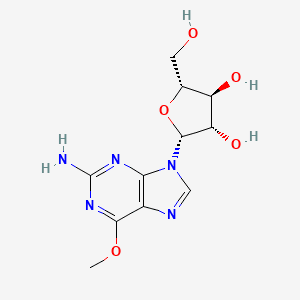
INN: Nelarabinum
Data updated: 2026-04-13
Available in:
🇨🇿🇩🇪🇬🇧🇵🇱🇵🇹🇸🇰
Form
Roztwór do infuzji
Dosage
5 mg/ml
Route
dożylna
Storage
—
About This Product
User Reviews
Reviews reflect personal experiences and are not medical advice. Always consult your doctor.
Manufacturer
Sandoz Pharmaceuticals d.d. (Austria)
Composition
Nelarabinum 5 mg/ml
ATC Code
L01BB07
Source
URPL
Pharmacotherapeutic group: Antineoplastic agents, antimetabolites, purine analogues, ATC code: L01B B 07
Nelarabine is a pro-drug of the deoxyguanosine analogue ara-G. Nelarabine is rapidly demethylated by adenosine deaminase (ADA) to ara-G and then phosphorylated intracellularly by deoxyguanosine kinase and deoxycytidine kinase to its 5'-monophosphate metabolite. The monophosphate metabolite is subsequently converted to the active 5'-triphosphate form, ara-GTP. Accumulation of ara-GTP in leukaemic blasts allows for preferential incorporation of ara-GTP into deoxyribonucleic acid (DNA) leading to inhibition of DNA synthesis. This results in cell death. Other mechanisms may contribute to the cytotoxic effects of nelarabine.
In vitro
, T-cells are more sensitive than B-cells to the cytotoxic effects of nelarabine.
Clinical efficacy and data
Adult clinical study in relapsed or refractory T-ALL and T-LBL
In an open-label study carried out by the Cancer and Leukaemia Group B and the Southwest Oncology Group, the safety and efficacy of nelarabine were evaluated in 39 adults with T-cell acute lymphoblastic leukaemia (T-ALL) or lymphoblastic lymphoma (T-LBL). Twenty–eight of the 39 adults had relapsed or were refractory to at least two prior induction regimens and aged between 16 to 65 years of age (mean 34 years). Nelarabine at a dose of 1500 mg/m
2
/day was administered intravenously over two hours on days 1, 3 and 5 of a 21 day cycle. Five of the 28 patients (18 %) [95 % CI: 6 %—37 %] treated with nelarabine achieved a complete response (bone marrow blast counts ≤ 5 %, no other evidence of disease, and full recovery of peripheral blood counts). A total of 6 patients (21 %) [95 % CI: 8 %–41 %] achieved a complete response with or without haematological recovery. Time to complete response in both classifications of response ranged from 2.9 to 11.7 weeks. Duration of response (in both classifications of response (n=5) ranged between 15 and 195+ weeks. Median overall survival was 20.6 weeks [95 % CI: 10.4–36.4]. Survival at one year was 29 % [95 % CI: 12 %–45 %].
Paediatric clinical study in relapsed or refractory T-ALL and T-LBL
In an open-label, multicenter study carried out by Childrens Oncology Group, nelarabine was administered intravenously over 1 hour for 5 days to 151 patients ≤ 21 years of age, 149 of whom had relapsed or refractory T-cell acute lymphoblastic leukaemia (T-ALL) or T-cell lymphoblastic lymphoma (T-LBL). Eighty-four (84) patients, 39 of whom had received two or more prior induction regimens and 31 whom had received one prior induction regimen, were treated with 650 mg/m
2
/day of nelarabine administered intravenously over 1 hour daily for 5 consecutive days repeated every 21 days.
Of the 39 patients who had received two or more prior induction regimens, 5 (13 %) [95 % CI: 4 %–27 %] achieved a complete response (bone marrow blast counts ≤ 5 %, no other evidence of disease, and full recovery of peripheral blood counts) and 9 (23 %) [95 % CI: 11 %–39 %] achieved complete responses with or without full haematological recovery. Duration of response in both classifications of response ranged between 4.7 and 36.4 weeks and median overall survival was 13.1 weeks [95 % CI: 8.7–17.4] and survival at one year was 14 % [95 % CI: 3 %–26 %].
Thirteen (42 %) of the 31 patients treated with one prior induction regimen achieved a complete response overall. Nine of these 31 patients failed to respond to prior induction (refractory patients). Four (44 %) of the nine refractory patients experienced a complete response to nelarabine.
This medicinal product has been authorised under “exceptional circumstances”. This means that due to the rarity of the disease it has not been possible to obtain complete information on this medicinal product.
The European Medicines Agency will review any new information which may become available every year and this SmPC will be updated as necessary.
⚠️ Warnings
- The normal procedures for proper handling and disposal of cytotoxic anti-tumour medicinal products should be adopted, namely:
- Staff should be trained in how to handle and transfer the medicinal product.
- Pregnant staff should be excluded from working with this medicinal product.
- Personnel handling this medicinal product during handling/transfer should wear protective clothing including mask, goggles and gloves.
- All items for administration or cleaning, including gloves, should be placed in high-risk, waste disposal bags for high-temperature incineration. Any liquid waste from the preparation of the nelarabine solution for infusion may be flushed with large amounts of water.
- Accidental contact with the skin or eyes should be treated immediately with copious amounts of water.
Any unused medicinal product or waste material should be disposed of in accordance with local requirements.