This information is for educational purposes only. It is not intended as medical advice. Always consult a qualified healthcare professional.
Azacitidine Delfarma — Description, Dosage, Side Effects | PillsCard
Rx
Azacitidine Delfarma
25 mg/ml, Proszek do sporządzania zawiesiny do wstrzykiwań
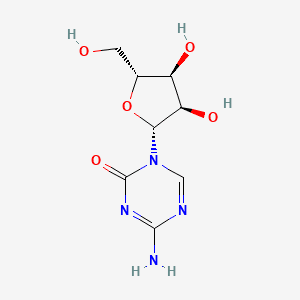
INN: Azacitidinum
Available in:
🇨🇿🇬🇧🇫🇷🇵🇱🇸🇰
Form
Proszek do sporządzania zawiesiny do wstrzykiwań
Dosage
25 mg/ml
Route
podskórna
Storage
—
About This Product
User Reviews
Reviews reflect personal experiences and are not medical advice. Always consult your doctor.
Manufacturer
Delfarma Sp. z o.o.
Composition
Azacitidinum 25 mg/ml
ATC Code
L01BC07
Source
URPL · 024/26
Pharmacotherapeutic group: Antineoplastic agents, antimetabolites, pyrimidine analogues, ATC code: L01BC07
Mechanism of action
Azacitidine is a DNA methyltransferase inhibitor and epigenetic modifier. Azacitidine is incorporated into DNA and RNA following cellular uptake and enzymatic biotransformation to nucleotide triphosphates. Incorporation of azacitidine into the DNA of AML cells modified epigenetic pathways through the inhibition of DNA methyltransferases, and reduction of DNA methylation. This led to alteration of gene expression, including re-expression of genes regulating tumour suppression, immune pathways, cell cycle, and cell differentiation. Incorporation of azacitidine into the RNA of AML cells, inhibited RNA methyltransferase, reduced RNA methylation, decreased RNA stability, and decreased protein synthesis.
Clinical efficacy and safety
The efficacy and safety of azacitidine was studied in a multi-centre, placebo-controlled, Phase 3 study QUAZAR AML-001 (CC-486-AML-001) with a double-blind, randomised, parallel-group design which evaluated azacitidine versus placebo as maintenance therapy in AML patients. Patients were enrolled with
de novo
AML, AML secondary to prior diagnosis of myelodysplastic syndromes (MDS), or chronic myelomonocytic leukaemia (CMML); the patients were aged ≥ 55 years, and had achieved first complete remission (CR) or complete remission with incomplete blood count recovery (CRi) within 4 months (+/- 7 days) after intensive induction chemotherapy with or without consolidation therapy. Patients were not eligible for HSCT at the time of randomisation, which included patients who did not have a transplant donor, or who chose not to proceed to HSCT.
Patients in both treatment arms received best supportive care as deemed necessary by the investigator. Best supportive care included, but was not limited to, treatment with red blood cell (RBC) transfusions, platelet transfusions, use of erythropoiesis stimulating agent, antibiotic, antiviral and/or antifungal therapy, GCSF, anti-emetic therapy, and nutritional support.
Patients who achieved a CR/CRi after completion of intensive induction therapy with or without consolidation were administered azacitidine 300 mg (N=236) or placebo (N=233) once daily on Days 1 through 14 of each 28-day cycle. In the event of disease relapse (5% to 15% blasts in peripheral blood or bone marrow), the dose schedule was extended to 21 days of repeated 28-day treatment cycles per medical discretion. Treatment continued until disease progression (more than 15% blasts were observed in peripheral blood or bone marrow) or until unacceptable toxicity.
A total of 472 patients were randomised 1:1 between azacitidine and placebo treatment arms. Baseline demographic and disease characteristics for the AML patient population were balanced between treatment arms as shown in Table 3. The median treatment duration was 11.6 months (range: 0.5 to 74.3 months) for the azacitidine arm
versus
5.7 months (range: 0.7 to 68.5 months) for the placebo arm. A total of 51 patients (21%) receiving azacitidine and 40 patients (17%) receiving placebo extended their dose schedule to 300 mg daily for 21 days due to AML disease relapse.
Of the 469 patients in the Phase 3 study who received treatment, 61% (285/469) were 65 years of age or older and 11% (51/469) were 75 years of age or older. No overall differences in safety or efficacy of azacitidine were observed between these patients and younger patients.
Table 3: Baseline demographics and disease-related characteristics in study CC-486-AML-001
Parameter
Azacitidine
(N = 238)
Placebo
(N = 234)
Age (years)
Median (min, max)
68.0 (55, 86)
68.0 (55, 82)
Age category, n (%)
<65 years
66 (27.7)
68 (29.1)
≥65 years to <75 years
144 (60.5)
142 (60.7)
≥75 years
28 (11.8)
24 (10.3)
Sex, n (%)
Male
118 (49.6)
127 (54.3)
Female
120 (50.4)
107 (45.7)
Race, n (%)
White
216 (90.8)
197 (84.2)
Black or African American
2 (0.8)
6 (2.6)
Asian
6 (2.5)
20 (8.5)
Other
12 (5.0)
11 (4.7)
Not collected or reported
2 (0.8)
0 (0)
ECOG performance status, n (%)
0
116 (48.7)
111 (47.4)
1
101 (42.4)
106 (45.3)
2
21 (8.8)
15 (6.4)
3
0 (0)
2 (0.9)
Cytogenetic risk status at diagnosis, n (%)
Intermediate risk
1
203 (85.3)
203 (86.6)
Poor risk
2
35 (14.7)
31 (13.2)
Initial AML classification, n (%)
AML with recurrent genetic abnormalities
39 (16.4)
46 (19.7)
AML with myelodysplasia-related changes
49 (20.6)
42 (17.9)
Therapy related myeloid neoplasms
2 (0.8)
0 (0)
AML not otherwise specified
148 (62.2)
145 (62.0)
Missing
0 (0)
1 (0.4)
Type of AML, n (%)
Primary (de novo)
213 (89.5)
216 (92.3)
Secondary
25 (10.5)
18 (7.7)
MRD status at randomisation
3
, n (%)
Negative
133 (55.9)
111 (47.4)
Positive
103 (43.3)
116 (49.6)
Missing
2 (0.8)
7 (3.0)
AML=Acute myelogenous leukemia; MDS=Myelodysplastic syndrome; CMML=Chronic myelomonocytic Leukemia; ECOG=Eastern cooperative oncology group; CR=Morphologic complete remission; CRi=Morphologic CR with incomplete blood count recovery.
1
Intermediate risk was defined as normal cytogenetics +8, t(9;11), or other undefined.
2
Poor risk was defined as complex (≥ 3 abnormalities): -5; 5q-; -7; 7q-; 11q23 - non t(9;11); inv(3); t(3;3); t(6;9); or t(9;22). Source for Intermediate and Poor Risk: National comprehensive cancer network clinical practice guidelines in oncology for AML.
3
MRD status in bone marrow was measured during screening period by flow cytometric assay at a sensitivity level of 0.1%.
Most patients received consolidation therapy after induction therapy in both the azacitidine (78%) and placebo (82%) treatment arms; more than 90% of these patients in each treatment arm received 1 or 2 cycles of consolidation therapy after induction therapy (Table 4).
Table 4: Consolidation therapy in study CC-486-AML-001
Parameter
Azacitidine
(N=238)
Placebo
(N=234)
Received consolidation therapy following induction
Yes, n (%)
186 (78.2)
192 (82.1)
1 Cycle, n (%)
110 (46.2)
102 (43.6)
2 Cycles, n (%)
70 (29.4)
77 (32.9)
3 Cycles, n (%)
6 (2.5)
13 (5.6)
No, n (%)
52 (21.8)
42 (17.9)
CR / CRi status at randomisation
CR, n (%)
183 (76.9)
177 (75.6)
CRi, n (%)
50 (21.0)
44 (18.8)
Not in CR/CRi
a
, n (%)
5 (2.1)
11 (4.7)
Missing, n (%)
0 (0)
2 (0.9)
CR=Complete remission; CRi=Morphologic CR with incomplete blood count recovery.
a
These patients had baseline bone marrow of less than 5% blasts and both ANC <1 x 10
9
and platelets <100 x 10
9
.
The efficacy of azacitidine in adult patients with AML was established based on overall survival (OS) and relapse-free survival (RFS).
The efficacy results are summarised in the Table 5.
Table 5: CC-486-AML-001 efficacy results (ITT Population)
Endpoints
azacitidine
(N=238)
Placebo
(N=234)
Overall survival
OS events, n (%)
158 (66.4)
171 (73.1)
Median OS, months (95% CI)
24.7 (18.7, 30.5)
14.8 (11.7, 17.6)
Hazard ratio (95% CI)
p-value
0.69 (0.55, 0.86)
0.0009
Relapse-free survival
Events, n (%)
164 (68.9)
181 (77.4)
Median RFS, months (95% CI)
10.2 (7.9, 12.9)
4.8 (4.6, 6.4)
Hazard ratio (95% CI)
p-value
0.65 (0.52, 0.81)
0.0001
Time to relapse
Relapsed, n (%)
154 (64.7)
179 (76.5)
Median time to relapse, months (95% CI)
10.2 (8.3, 13.4)
4.9 (4.6, 6.4)
Time to discontinuation from treatment
Treatment discontinued, n (%)
193 (81.1)
208 (88.9)
Median time to treatment discontinuation, months (95% CI)
11.4 (9.8, 13.6)
6.1 (5.1, 7.4)
Treatment discontinued – disease relapse, n (%)
143 (60.1)
180 (76.9)
CI=Confidence interval.
Prespecified subgroup analyses of OS and RFS showed a consistent treatment effect for azacitidine across demographic and disease-related subgroups including baseline cytogenetic risk, the number of prior consolidation cycles received, and CR/CRi status.
The Kaplan-Meier curves display the OS (see Figure 1) and RFS (see Figure 2) results.
Figure 1: Kaplan-Meier curve for overall survival: Azacitidine
versus
placebo (ITT Population)
Figure 2: Kaplan-Meier curve for relapse free survival: Azacitidine
versus
placebo (ITT Population)
In patients who had their dose schedule extended to 300 mg for 21 days due to disease relapse, the median OS (22.8 months for azacitidine and 14.6 months for placebo) and median RFS (7.4 months for azacitidine and 4.6 months for placebo) were comparable to the overall study results.
Azacitidine demonstrated a favorable treatment effect for OS compared with placebo in both minimal residual disease (MRD)-positive and MRD-negative patients. The treatment effect for OS was more pronounced in MRD-positive patients (HR=0.69; 95% CI: 0.51, 0.93) than in MRD-negative patients (HR=0.81; 95% CI: 0.59, 1.12).
Health related quality of life (HRQoL)
HRQoL was assessed using the Functional assessment of chronic illness therapy-fatigue scale (FACIT – fatigue scale) and the Five dimensions three levels (EQ-5D-3L) health utility index and visual analogue scale (VAS). At baseline, patients had a low level of fatigue and good level of HRQoL that were generally comparable to those of the general population of similar age. This level of HRQoL was maintained over time with azacitidine, as compared to baseline, as well as to placebo. Both the time to definitive deterioration and the proportion of patients experiencing clinically meaningful deterioration was found to be similar between those receiving azacitidine and placebo. Overall, the findings demonstrate that HRQoL was similar between azacitidine treatment and placebo arms, with no clinically meaningful deterioration over time.
⚠️ Warnings
Azacitidine is a cytotoxic medicinal product. If powder from the film-coated tablets makes contact with the skin, the skin should be washed immediately and thoroughly with soap and water. If the powder comes in contact with mucous membranes, the area should be thoroughly flushed with water.
Any unused medicinal product or waste material should be disposed of in accordance with local requirements.