This information is for educational purposes only. It is not intended as medical advice. Always consult a qualified healthcare professional.
Rx
Zytiga
500 mg, Tabletki powlekane
INN: Abirateronum
Data updated: 2026-04-13
Available in:
🇨🇿🇩🇪🇬🇧🇫🇷🇵🇱🇸🇰🇹🇷🇺🇦
Form
Tabletki powlekane
Dosage
500 mg
Route
doustna
Storage
—
About This Product
User Reviews
Reviews reflect personal experiences and are not medical advice. Always consult your doctor.
Manufacturer
Janssen-Cilag International N.V. (Włochy)
Composition
Abirateronum 500 mg
ATC Code
L02BX03
Source
URPL
Pharmacotherapeutic group: endocrine therapy, other hormone antagonists and related agents, ATC code: L02BX03
Mechanism of action
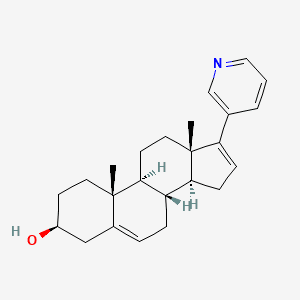
Abiraterone acetate is converted
in vivo
to abiraterone, an androgen biosynthesis inhibitor. Specifically, abiraterone selectively inhibits the enzyme 17α-hydroxylase/C17,20-lyase (CYP17). This enzyme is expressed in and is required for androgen biosynthesis in testicular, adrenal and prostatic tumour tissues. CYP17 catalyses the conversion of pregnenolone and progesterone into testosterone precursors, DHEA and androstenedione, respectively, by 17α-hydroxylation and cleavage of the C17,20 bond. CYP17 inhibition also results in increased mineralocorticoid production by the adrenals (see section 4.4).
Androgen-sensitive prostatic carcinoma responds to treatment that decreases androgen levels. Androgen deprivation therapies, such as treatment with LHRH analogues or orchiectomy, decrease androgen production in the testes but do not affect androgen production by the adrenals or in the tumour. Treatment with abiraterone acetate decreases serum testosterone to undetectable levels (using commercial assays) when given with LHRH analogues (or orchiectomy).
Pharmacodynamic effects
Abiraterone acetate decreases serum testosterone and other androgens to levels lower than those achieved by the use of LHRH analogues alone or by orchiectomy. This results from the selective inhibition of the CYP17 enzyme required for androgen biosynthesis. PSA serves as a biomarker in patients with prostate cancer. In a Phase 3 clinical study of patients who failed prior chemotherapy with taxanes, 38% of patients treated with abiraterone acetate, versus 10% of patients treated with placebo, had at least a 50% decline from baseline in PSA levels.
Clinical efficacy and safety
Efficacy was established in three randomised placebo-controlled multicentre Phase 3 clinical studies (studies 3011, 302 and 301) of patients with mHSPC and mCRPC. Study 3011 enrolled patients who were newly diagnosed (within 3 months of randomization) mHSPC who had high-risk prognostic factors. High-risk prognosis was defined as having at least 2 of the following 3 risk factors: (1) Gleason score of ≥8; (2) presence of 3 or more lesions on bone scan; (3) presence of measurable visceral (excluding lymph node disease) metastasis. In the active arm, abiraterone acetate was administered at a dose of 1000 mg daily in combination with low dose prednisone 5 mg once daily in addition to ADT (LHRH agonist or orchiectomy), which was the standard of care treatment. Patients in the control arm received ADT and placebos for both abiraterone acetate and prednisone. Study 302 enrolled docetaxel naïve patients; whereas, study 301 enrolled patients who had received prior docetaxel. Patients were using an LHRH analogue or were previously treated with orchiectomy. In the active treatment arm, abiraterone acetate was administered at a dose of 1,000 mg daily in combination with low dose prednisone or prednisolone 5 mg twice daily. Control patients received placebo and low dose prednisone or prednisolone 5 mg twice daily.
Changes in PSA serum concentration independently do not always predict clinical benefit. Therefore, in all studies it was recommended that patients be maintained on their study treatments until discontinuation criteria were met as specified below for each study.
In all studies spironolactone use was not allowed as spironolactone binds to the androgen receptor and may increase PSA levels.
Study 3011 (patients with newly diagnosed high risk mHSPC)
In Study 3011, (n=1199) the median age of enrolled patients was 67 years. The number of patients treated with abiraterone acetate by racial group was Caucasian 832 (69.4%), Asian 246 (20.5%), Black or African American 25 (2.1%), other 80 (6.7%), unknown/not reported 13 (1.1%), and American Indian or Alaska Native 3 (0.3%). The ECOG performance status was 0 or 1 for 97% of patients. Patients with known brain metastasis, uncontrolled hypertension, significant heart disease, or NYHA Class II-IV heart failure were excluded. Patients that were treated with prior pharmacotherapy, radiation therapy, or surgery for metastatic prostate cancer were excluded with the exception of up to 3 months of ADT or 1 course of palliative radiation or surgical therapy to treat symptoms resulting from metastatic disease. Co-primary efficacy endpoints were overall survival (OS) and radiographic progression-free survival (rPFS). The median baseline pain score, as measured by the Brief Pain Inventory Short Form (BPI-SF) was 2.0 in both the treatment and Placebo groups. In addition to the co-primary endpoint measures, benefit was also assessed using time to skeletal-related event (SRE), time to subsequent therapy for prostate cancer, time to initiation of chemotherapy, time to pain progression, and time to PSA progression. Treatment continued until disease progression, withdrawal of consent, the occurrence of unacceptable toxicity, or death.
Radiographic progression-free survival was defined as the time from randomization to the occurrence of radiographic progression or death from any cause. Radiographic progression included progression by bone scan (according to modified PCWG2) or progression of soft tissue lesions by CT or MRI (according to RECIST 1.1).
A significant difference in rPFS between treatment groups was observed (see Table 2 and Figure 1).
Table 2: Radiographic Progression-Free Survival -Stratified Analysis; Intent-to-treat Population (Study PCR3011)
AA-P
Placebo
Subjects randomised
597
602
Event
239 (40.0%)
354 (58.8%)
Censored
358 (60.0%)
248 (41.2%)
Time to Event (months)
Median (95% CI)
33.02 (29.57, NE)
14.78 (14.69, 18.27)
Range
(0.0+, 41.0+)
(0.0+, 40.6+)
p value
a
< 0.0001
Hazard ratio (95% CI)
b
0.466 (0.394, 0.550)
Note: += censored observation, NE=not estimable. The radiographic progression and death are considered in defining the rPFS event. AA-P= subjects who received abiraterone acetate and prednisone.
a
p value is from a log-rank test stratified by ECOG PS score (0/1 or 2) and visceral lesion (absent or present).
b
Hazard ratio is from stratified proportional hazards model. Hazard ratio <1 favors AA-P.
Figure 1: Kaplan-Meier Plot of Radiographic Progression-free Survival; Intent-to-treat Population (Study PCR3011)
A statistically significant improvement in OS in favor of AA-P plus ADT was observed with a 34% reduction in the risk of death compared to Placebo plus ADT (HR=0.66; 95% CI: 0.56, 0.78; p<0.0001), (see Table 3 and Figure 2).
Table 3: Overall Survival of Patients Treated with Either Abiraterone Acetate or Placebos in Study PCR3011 (Intent-to-Treat Analysis)
Overall Survival
Abiraterone Acetate with Prednisone
(N=597)
Placebos
(N=602)
Deaths (%)
275 (46%)
343 (57%)
Median survival (months)
53.3
36.5
(95% CI)
(48.2, NE)
(33.5, 40.0)
Hazard ratio (95% CI)
1
0.66 (0.56, 0.78)
NE= Not estimable
1
Hazard Ratio is derived from a stratified proportional hazards model. Hazard ratio <1 favors abiraterone acetate with prednisone.
Figure 2: Kaplan-Meier Plot of Overall Survival; Intent-to-treat Population in Study PCR3011 Analysis
Subgroup analyses consistently favor treatment with abiraterone acetate. The treatment effect of AA-P on rPFS and OS across the pre-specified subgroups was favorable and consistent with the overall study population, except for the subgroup of ECOG score of 2 where no trend towards benefit was observed, however the small sample size (n=40) limits drawing any meaningful conclusion.
In addition to the observed improvements in overall survival and rPFS, benefit was demonstrated for abiraterone acetate vs. placebo treatment in all prospectively-defined secondary endpoints.
Study 302 (chemotherapy naïve patients)
This study enrolled chemotherapy naïve patients who were asymptomatic or mildly symptomatic and for whom chemotherapy was not yet clinically indicated. A score of 0-1 on Brief Pain Inventory-Short Form (BPI-SF) worst pain in last 24 hours was considered asymptomatic, and a score of 2-3 was considered mildly symptomatic.
In study 302, (n=1,088) the median age of enrolled patients was 71 years for patients treated with abiraterone acetate plus prednisone or prednisolone and 70 years for patients treated with placebo plus prednisone or prednisolone. The number of patients treated with abiraterone acetate by racial group was Caucasian 520 (95.4%), Black 15 (2.8%), Asian 4 (0.7%) and other 6 (1.1%). The Eastern Cooperative Oncology Group (ECOG) performance status was 0 for 76% of patients, and 1 for 24% of patients in both arms. Fifty percent of patients had only bone metastases, an additional 31% of patients had bone and soft tissue or lymph node metastases and 19% of patients had only soft tissue or lymph node metastases. Patients with visceral metastases were excluded. Co-primary efficacy endpoints were overall survival and radiographic progression-free survival (rPFS). In addition to the co-primary endpoint measures, benefit was also assessed using time to opiate use for cancer pain, time to initiation of cytotoxic chemotherapy, time to deterioration in ECOG performance score by ≥1 point and time to PSA progression based on Prostate Cancer Working Group-2 (PCWG2) criteria. Study treatments were discontinued at the time of unequivocal clinical progression. Treatments could also be discontinued at the time of confirmed radiographic progression at the discretion of the investigator.
Radiographic progression free survival (rPFS) was assessed with the use of sequential imaging studies as defined by PCWG2 criteria (for bone lesions) and modified Response Evaluation Criteria In Solid Tumors (RECIST) criteria (for soft tissue lesions). Analysis of rPFS utilised centrally-reviewed radiographic assessment of progression.
At the planned rPFS analysis there were 401 events, 150 (28%) of patients treated with abiraterone acetate and 251 (46%) of patients treated with placebo had radiographic evidence of progression or had died. A significant difference in rPFS between treatment groups was observed (see Table 4 and Figure 3).
Table 4: Study 302: Radiographic progression-free survival of patients treated with either abiraterone acetate or placebo in combination with prednisone or prednisolone plus LHRH analogues or prior orchiectomy
Abiraterone acetate
(N=546)
Placebo
(N=542)
Radiographic Progression-free Survival (rPFS)
Progression or death
150 (28%)
251 (46%)
Median rPFS in months
Not reached
8.3
(95% CI)
(11.66; NE)
(8.12;8.54)
p-value*
<0.0001
Hazard ratio**(95% CI)
0.425 (0.347;0.522)
NE=Not estimated
* p-value is derived from a log-rank test stratified by baseline ECOG score (0 or 1)
** Hazard ratio <1 favours abiraterone acetate
Figure 3: Kaplan Meier curves of radiographic progression-free survival in patients treated with either abiraterone acetate or placebo in combination with prednisone or prednisolone plus LHRH analogues or prior orchiectomy
AA= Abiraterone acetate
However, subject data continued to be collected through the date of the second interim analysis of Overall survival (OS). The investigator radiographic review of rPFS performed as a follow up sensitivity analysis is presented in Table 5 and Figure 4.
Six hundred and seven (607) subjects had radiographic progression or died: 271 (50%) in the abiraterone acetate group and 336 (62%) in the placebo group. Treatment with abiraterone acetate decreased the risk of radiographic progression or death by 47% compared with placebo (HR=0.530; 95% CI: [0.451;0.623], p<0.0001). The median rPFS was 16.5 months in the abiraterone acetate group and 8.3 months in the placebo group.
Table 5: Study 302: Radiographic progression-free survival of patients treated with either abiraterone acetate or placebo in combination with prednisone or prednisolone plus LHRH analogues or prior orchiectomy (At second interim analysis of OS-Investigator Review)
Abiraterone acetate
(N=546)
Placebo
(N=542)
Radiographic Progression-free Survival (rPFS)
Progression or death
271 (50%)
336 (62%)
Median rPFS in months
16.5
8.3
(95% CI)
(13.80;16.79)
(8.05;9.43)
p-value*
<0.0001
Hazard ratio**(95% CI)
0.530 (0.451;0.623)
* p-value is derived from a log-rank test stratified by baseline ECOG score (0 or 1)
** Hazard ratio <1 favours abiraterone acetate
Figure 4: Kaplan Meier curves of radiographic progression-free survival in patients treated with either abiraterone acetate or placebo in combination with prednisone or prednisolone plus LHRH analogues or prior orchiectomy (At second interim analysis of OS-Investigator Review)
AA= Abiraterone acetate
A planned interim analysis (IA) for OS was conducted after 333 deaths were observed. The study was unblinded based on the magnitude of clinical benefit observed and patients in the placebo group were offered treatment with abiraterone acetate. Overall survival was longer for abiraterone acetate than placebo with a 25% reduction in risk of death (HR=0.752;95% CI: [0.606;0.934], p=0.0097), but OS was not mature and interim results did not meet the pre-specified stopping boundary for statistical significance (see Table 4). Survival continued to be followed after this IA.
The planned final analysis for OS was conducted after 741 deaths were observed (median follow up of 49 months). Sixty-five percent (354 of 546) of patients treated with abiraterone acetate, compared with 71% (387 of 542) of patients treated with placebo, had died. A statistically significant OS benefit in favour of the abiraterone acetate-treated group was demonstrated with a 19.4% reduction in risk of death (HR=0.806;95% CI: [0.697;0.931], p=0.0033) and an improvement in median OS of 4.4 months (abiraterone acetate 34.7 months, placebo 30.3 months) (see Table 6 and Figure 5). This improvement was demonstrated even though 44% of patients in the placebo arm received abiraterone acetate as subsequent therapy.
Table 6: Study 302: Overall survival of patients treated with either abiraterone acetate or placebo in combination with prednisone or prednisolone plus LHRH analogues or prior orchiectomy
Abiraterone acetate
(N=546)
Placebo
(N=542)
Interim survival analysis
Deaths (%)
147 (27%)
186 (34%)
Median survival (months)
Not reached
27.2
(95% CI)
(NE; NE)
(25.95; NE)
p-value*
0.0097
Hazard ratio**(95% CI)
0.752 (0.606;0.934)
Final survival analysis
Deaths
354 (65%)
387 (71%)
Median overall survival in months (95% CI)
34.7 (32.7;36.8)
30.3 (28.7;33.3)
p-value*
0.0033
Hazard ratio** (95% CI)
0.806 (0.697;0.931)
NE=Not Estimated
* p-value is derived from a log-rank test stratified by baseline ECOG score (0 or 1)
** Hazard ratio <1 favours abiraterone acetate
Figure 5: Kaplan Meier survival curves of patients treated with either abiraterone acetate or placebo in combination with prednisone or prednisolone plus LHRH analogues or prior orchiectomy, final analysis
AA= Abiraterone acetate
In addition to the observed improvements in overall survival and rPFS, benefit was demonstrated for abiraterone acetate vs. placebo treatment in all secondary endpoint measures as follows:
Time to PSA progression based on PCWG2 criteria: The median time to PSA progression was 11.1 months for patients receiving abiraterone acetate and 5.6 months for patients receiving placebo (HR=0.488; 95% CI: [0.420;0.568], p<0.0001). The time to PSA progression was approximately doubled with abiraterone acetate treatment (HR=0.488). The proportion of subjects with a confirmed PSA response was greater in the abiraterone acetate group than in the placebo group (62% vs. 24%; p<0.0001). In subjects with measurable soft tissue disease, significantly increased numbers of complete and partial tumor responses were seen with abiraterone acetate treatment.
Time to opiate use for cancer pain: The median time to opiate use for prostate cancer pain at the time of final analysis was 33.4 months for patients receiving abiraterone acetate and was 23.4 months for patients receiving placebo (HR=0.721; 95% CI: [0.614;0.846], p<0.0001).
Time to initiation of cytotoxic chemotherapy: The median time to initiation of cytotoxic chemotherapy was 25.2 months for patients receiving abiraterone acetate and 16.8 months for patients receiving placebo (HR=0.580; 95% CI: [0.487;0.691], p<0.0001).
Time to deterioration in ECOG performance score by ≥1 point: The median time to deterioration in ECOG performance score by ≥1 point was 12.3 months for patients receiving abiraterone acetate and 10.9 months for patients receiving placebo (HR=0.821; 95% CI: [0.714;0.943], p=0.0053).
The following study endpoints demonstrated a statistically significant advantage in favour of abiraterone acetate treatment:
Objective response: Objective response was defined as the proportion of subjects with measurable disease achieving a complete or partial response according to RECIST criteria (baseline lymph node size was required to be ≥2 cm to be considered a target lesion). The proportion of subjects with measurable disease at baseline who had an objective response was 36% in the abiraterone acetate group and 16% in the placebo group (p<0.0001).
Pain: Treatment with abiraterone acetate significantly reduced the risk of average pain intensity progression by 18% compared with placebo (p=0.0490). The median time to progression was 26.7 months in the abiraterone acetate group and 18.4 months in the placebo group.
Time to degradation in the FACT-P (Total Score): Treatment with abiraterone acetate decreased the risk of FACT-P (Total Score) degradation by 22% compared with placebo (p=0.0028). The median time to degradation in FACT-P (Total Score) was 12.7 months in the abiraterone acetate group and 8.3 months in the placebo group.
Study 301 (patients who had received prior chemotherapy)
Study 301 enrolled patients who had received prior docetaxel. Patients were not required to show disease progression on docetaxel, as toxicity from this chemotherapy may have led to discontinuation. Patients were maintained on study treatments until there was PSA progression (confirmed 25% increase over the patient's baseline/nadir) together with protocol-defined radiographic progression and symptomatic or clinical progression. Patients with prior ketoconazole treatment for prostate cancer were excluded from this study. The primary efficacy endpoint was overall survival.
The median age of enrolled patients was 69 years (range 39-95). The number of patients treated with abiraterone acetate by racial group was Caucasian 737 (93.2%), Black 28 (3.5%), Asian 11 (1.4%) and other 14 (1.8%). Eleven percent of patients enrolled had an ECOG performance score of 2; 70% had radiographic evidence of disease progression with or without PSA progression; 70% had received one prior cytotoxic chemotherapy and 30% received two. Liver metastasis was present in 11% of patients treated with abiraterone acetate.
In a planned analysis conducted after 552 deaths were observed, 42% (333 of 797) of patients treated with abiraterone acetate compared with 55% (219 of 398) of patients treated with placebo, had died. A statistically significant improvement in median overall survival was seen in patients treated with abiraterone acetate (see Table 7).
Table 7: Overall survival of patients treated with either abiraterone acetate or placebo in combination with prednisone or prednisolone plus LHRH analogues or prior orchiectomy
Abiraterone acetate
(N=797)
Placebo
(N=398)
Primary survival analysis
Deaths (%)
333 (42%)
219 (55%)
Median survival (months)
14.8 (14.1; 15.4)
10.9 (10.2; 12.0)
(95% CI)
p-value
a
<0.0001
Hazard ratio (95% CI)
b
0.646 (0.543;0.768)
Updated survival analysis
Deaths (%)
501 (63%)
274 (69%)
Median survival (months) (95% CI)
15.8 (14.8; 17.0)
11.2 (10.4; 13.1)
Hazard ratio (95% CI)
b
0.740 (0.638;0.859)
a
p-value is derived from a log-rank test stratified by ECOG performance status score (0-1 vs. 2), pain score (absent vs. present), number of prior chemotherapy regimens (1 vs. 2), and type of disease progression (PSA only vs. radiographic).
b
Hazard ratio is derived from a stratified proportional hazards model. Hazard ratio <1 favours abiraterone acetate
At all evaluation time points after the initial few months of treatment, a higher proportion of patients treated with abiraterone acetate remained alive, compared with the proportion of patients treated with placebo (see Figure 6).
Figure 6: Kaplan Meier survival curves of patients treated with either abiraterone acetate or placebo in combination with prednisone or prednisolone plus LHRH analogues or prior orchiectomy
AA= Abiraterone acetate
Subgroup survival analyses showed a consistent survival benefit for treatment with abiraterone acetate (see Figure 7).
Figure 7: Overall survival by subgroup: hazard ratio and 95% confidence interval
AA= Abiraterone acetate; BPI=Brief Pain Inventory; C.I.=confidence interval; ECOG=Eastern Cooperative Oncology Group performance score; HR=hazard ratio; NE=not evaluable
In addition to the observed improvement in overall survival, all secondary study endpoints favoured abiraterone acetate and were statistically significant after adjusting for multiple testing as follows:
Patients receiving abiraterone acetate demonstrated a significantly higher total PSA response rate (defined as a ≥ 50% reduction from baseline), compared with patients receiving placebo, 38% vs.10%, p<0.0001.
The median time to PSA progression was 10.2 months for patients treated with abiraterone acetate and 6.6 months for patients treated with placebo (HR=0.580; 95% CI: [0.462;0.728], p<0.0001).
The median radiographic progression-free survival was 5.6 months for patients treated with abiraterone acetate and 3.6 months for patients who received placebo (HR=0.673; 95% CI: [0.585;0.776], p<0.0001).
Pain
The proportion of patients with pain palliation was statistically significantly higher in the abiraterone acetate group than in the placebo group (44% vs. 27%, p=0.0002). A responder for pain palliation was defined as a patient who experienced at least a 30% reduction from baseline in the BPI-SF worst pain intensity score over the last 24 hours without any increase in analgesic usage score observed at two consecutive evaluations four weeks apart. Only patients with a baseline pain score of ≥ 4 and at least one post-baseline pain score were analysed (N=512) for pain palliation.
A lower proportion of patients treated with abiraterone acetate had pain progression compared to patients taking placebo at 6 (22% vs. 28%), 12 (30% vs. 38%) and 18 months (35% vs. 46%). Pain progression was defined as an increase from baseline of ≥ 30% in the BPI-SF worst pain intensity score over the previous 24 hours without a decrease in analgesic usage score observed at two consecutive visits, or an increase of ≥ 30% in analgesic usage score observed at two consecutive visits. The time to pain progression at the 25
th
percentile was 7.4 months in the abiraterone acetate group, versus 4.7 months in the placebo group.
Skeletal-related events
A lower proportion of patients in the abiraterone acetate group had skeletal-related events compared with the placebo group at 6months (18% vs. 28%), 12 months (30% vs. 40%), and 18 months (35% vs. 40%). The time to first skeletal-related event at the 25
th
percentile in the abiraterone acetate group was twice that of the control group at 9.9 months versus 4.9 months. A skeletal-related event was defined as a pathological fracture, spinal cord compression, palliative radiation to bone, or surgery to bone.
Paediatric population
The European Medicines Agency has waived the obligation to submit the results of studies with abiraterone acetate in all subsets of the paediatric population in advanced prostate cancer. See section 4.2 for information on paediatric use.
⚠️ Warnings
Based on its mechanism of action, this medicinal product may harm a developing foetus; therefore, women who are pregnant or may be pregnant should not handle it without protection, e.g., gloves.
Any unused medicinal product or waste material should be disposed of in accordance with local requirements. This medicinal product may pose a risk to the aquatic environment (see section 5.3).