This information is for educational purposes only. It is not intended as medical advice. Always consult a qualified healthcare professional.
OTC
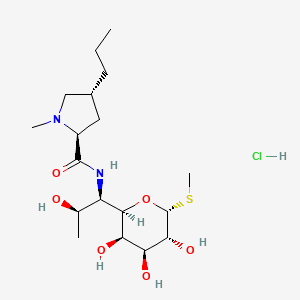
Lincomycin
3000 mg/10mL, Injection
INN: LINCOMYCIN HYDROCHLORIDE
Data updated: 2026-05-09
Available in:
🇩🇪🇬🇧
Form
INJECTION
Dosage
3000 mg/10mL
Route
INTRAMUSCULAR, INTRAVENOUS
Storage
—
About This Product
Manufacturer
PAI Holdings, LLC dba PAI Pharma
User Reviews
Reviews reflect personal experiences and are not medical advice. Always consult your doctor.
ATC Code
J01FF02
Source
OPENFDA_NDC
(
ARTG
)
Lincomycin SXP is indicated in the treatment of serious infections due to susceptible strains of gram-positive aerobes such as streptococci, pneumococci and staphylococci.,Its use should be reserved for penicillin-allergic patients or other patients for whom, in the judgement of the physician, a penicillin is inappropriate. Because of the risk of colitis (see PRECAUTIONS), before selecting lincomycin the physician should consider the nature of infection and the suitability of less toxic alternatives (e.g. erythromycin).,Lincomycin injection has been demonstrated to be effective in the treatment of staphylococcal infections resistant to other antibiotics and susceptible to lincomycin. Staphylococcal strains resistant to Lincomycin injection have been recovered; culture and susceptibility studies should be done in conjunction with Lincomycin injection therapy. In the case of macrolides, partial but not complete cross resistance may occur. The drug may be administered concomitantly with other antimicrobial agents with which it is compatible when indicated (see PRECAUTIONS).,The specific infections for which Lincomycin SXP is indicated are as follows:,Upper respiratory infections including tonsillitis, pharyngitis, otitis media, sinusitis, scarlet fever and as adjuvant therapy for diphtheria. Effectiveness in the treatment of mastoiditis would be anticipated.,Lower respiratory infections including acute and chronic bronchitis and pneumonia.,Skin and skin structure infections including cellulitis, furuncles, abscesses, impetigo, acne and wound infections. Conditions such as erysipelas, lymphadenitis, paronychia (panaritium), mastitis and cutaneous gangrene should, if caused by susceptible organisms, respond to lincomycin therapy.,Bone and joint infections including osteomyelitis and septic arthritis.,Septicaemia and endocarditis. Selected cases of septicaemia and/or endocarditis due to susceptible organisms have responded well to lincomycin. However, bactericidal drugs are often preferred for these infections.,Bacillary Dysentery. Although Shigella is resistant to lincomycin in vitro (MIC approximately 200-400 micrograms/mL), lincomycin has been effective in its treatment due to the very high levels of lincomycin attained in the bowel (approximately 3000-7000 micrograms/gram of stool).