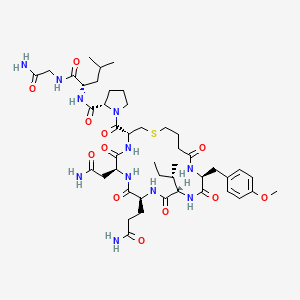
The pharmacological and clinical properties of carbetocin are those of a long-acting oxytocin agonist.
Like oxytocin, carbetocin binds selectively to oxytocin receptors in the smooth muscle of the uterus, stimulates rhythmic uterine contractions, increases the frequency of existing contractions, and increases uterine muscle tone.
In the postpartum uterus, carbetocin is capable of increasing the rate and strength of spontaneous uterine contractions.
The onset of uterine contraction following carbetocin administration is rapid, with a firm contraction achieved within 2 minutes.
A single intravenous dose of 100 micrograms of carbetocin administered after delivery of the baby is sufficient to maintain adequate uterine contraction to prevent atony and excessive haemorrhage, comparable to an oxytocin infusion over several hours.
⚠️ Warnings
Pregnancy
Pregnancy:
Carbetocin is contraindicated during pregnancy and must not be used for induction of labour.
Breastfeeding
Breastfeeding:
No significant effects on lactation were reported during clinical studies. Small amounts of carbetocin have been shown to pass from plasma into breast milk in breastfeeding women. It is assumed that the small amounts transferred into colostrum or breast milk following a single injection of carbetocin, and subsequently ingested by the infant, will be degraded by enzymes in the gastrointestinal tract.
Carbetocin is intended for use only in specialised obstetric units that are well equipped and staffed by qualified personnel with experience and available at all times.
The physician must exercise special care when administering carbetocin if the patient has migraines, asthma, cardiovascular problems (such as hypertension), or any other medical condition.