This information is for educational purposes only. It is not intended as medical advice. Always consult a qualified healthcare professional.
Dexamethasone Krka — Description, Dosage, Side Effects | PillsCard
OTC
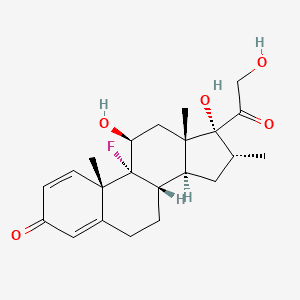
Dexamethasone Krka
40 mg, Tabletki
INN: Dexamethasonum
Data updated: 2026-04-24
Available in:
🇨🇿🇩🇪🇬🇧🇫🇷🇯🇵🇵🇱🇷🇴🇸🇰🇺🇦
Form
Tabletki
Dosage
40 mg
Route
—
Storage
—
About This Product
User Reviews
Reviews reflect personal experiences and are not medical advice. Always consult your doctor.
Manufacturer
Delfarma Sp. z o.o.
ATC Code
H02AB02
Source
URPL
ATC Classification
:
Pharmacotherapeutic group: OTOLOGICALS, Corticosteroids and anti-infectives in combination.
ATC-Code: S02CA06
Mechanisms of Action:
These ear drops contain the fluoroquinolone, ciprofloxacin as the antibacterial agent. The bactericidal action of ciprofloxacin results from the inhibition of both type II topoisomerase (DNA-gyrase) and topoisomerase IV, required for bacterial DNA replication, transcription, repair and recombination.
The mechanism of action of dexamethasone, a corticosteroid is not fully understood. However, it is known that corticosteroids bind to receptors in the cytoplasm, translocate to the nucleus, with subsequent binding to corticosteroid responsive elements on corticosteroid responsive genes. Corticosteroids are known to increase the transcription of anti-inflammatory proteins as well as inhibiting the expression of multiple inflammatory genes. Dexamethasone has an anti-inflammatory activity that is approximately 25 times more potent than hydrocortisone.
Mechanism of Resistance
:
In-vitro
resistance to ciprofloxacin can be acquired through a stepwise process by target site mutation in both DNA gyrase and topoisomerase IV. The degree of cross-resistance between ciprofloxacin and other fluoroquinolones that results is variable. Single mutations may not result in clinical resistance, but multiple mutations generally result in clinical resistance to many or all active substances within the class.
Impermeability and/or active substance of efflux pump mechanisms of resistance may have a variable effect on susceptibility to fluoroquinolones, which depends on the physiochemical properties of the various active substances within the class and the affinity of transport systems for each active substance. All in-vitro mechanisms of resistance are commonly observed in clinical isolates. Resistance mechanisms that inactivate other antibiotics such as permeation barriers (common in Pseudomonas aeruginosa) and efflux mechanisms may affect susceptibility to ciprofloxacin. Plasmid-mediated resistance encoded by qnr-genes has been reported.
Susceptibility testing breakpoints:
Currently, minimal inhibitory concentration (MIC) breakpoints as established by the European Committee on Antimicrobial Susceptibility Testing (EUCAST) take into consideration drug concentrations achievable systemically following oral or intravenous administration of the antibiotic. These Susceptible/Resistant (S/R in mg/L) breakpoints are used in every day clinical laboratory practice to predict clinical efficacy. However, when ciprofloxacin is used by ototopical administration, higher concentrations could be achieved in the ear and the drug activity influenced by the physiochemical characteristics at this site of administration. EUCAST breakpoints are not adequate for a topical antibiotic but these recommendations that follow are consistent for a general use.
EUCAST S/R Recommended Breakpoints for Ciprofloxacin (version 10.0-2020.01.01))
Microorganisms
Susceptible (S)
Resistant (R)
Staphylococcus
species
S ≤ 0.001 mg/L
R > 1 mg/L
Haemophilus influenzae
S ≤ 0.06 mg/L
R > 0.06 mg/L
Moraxella catarrhalis
S ≤ 0.125 mg/L
R > 0.125 mg/L
Pseudomonas aeruginosa
S ≤ 0.001 mg/L
R > 0.5 mg/L
The prevalence of acquired resistance may vary geographically and with time for selected species and local information on resistance is desirable, particularly when treating severe infections. As necessary, expert advice should be sought when the local prevalence of resistance is such that the utility of the agent in at least some types of infections is questionable.
Acute Otitis Externa (AOE)
Commonly susceptible species
Aerobic Gram-positive microorganisms:
Staphylococcus aureus (methicillin- susceptible)
Aerobic Gram-negative microorganisms:
Pseudomonas aeruginosa
Species for which acquired resistance may be a problem
Aerobic Gram-positive microorganisms:
Staphylococcus aureus (
methicillin-resistant)
The above information is based on microbiological surveillance studies performed at various sites in Europe and data obtained in the U.S.A. and Canadian clinical studies.
⚠️ Warnings
Any unused product or waste material should be disposed of in accordance with local requirements.