This information is for educational purposes only. It is not intended as medical advice. Always consult a qualified healthcare professional.
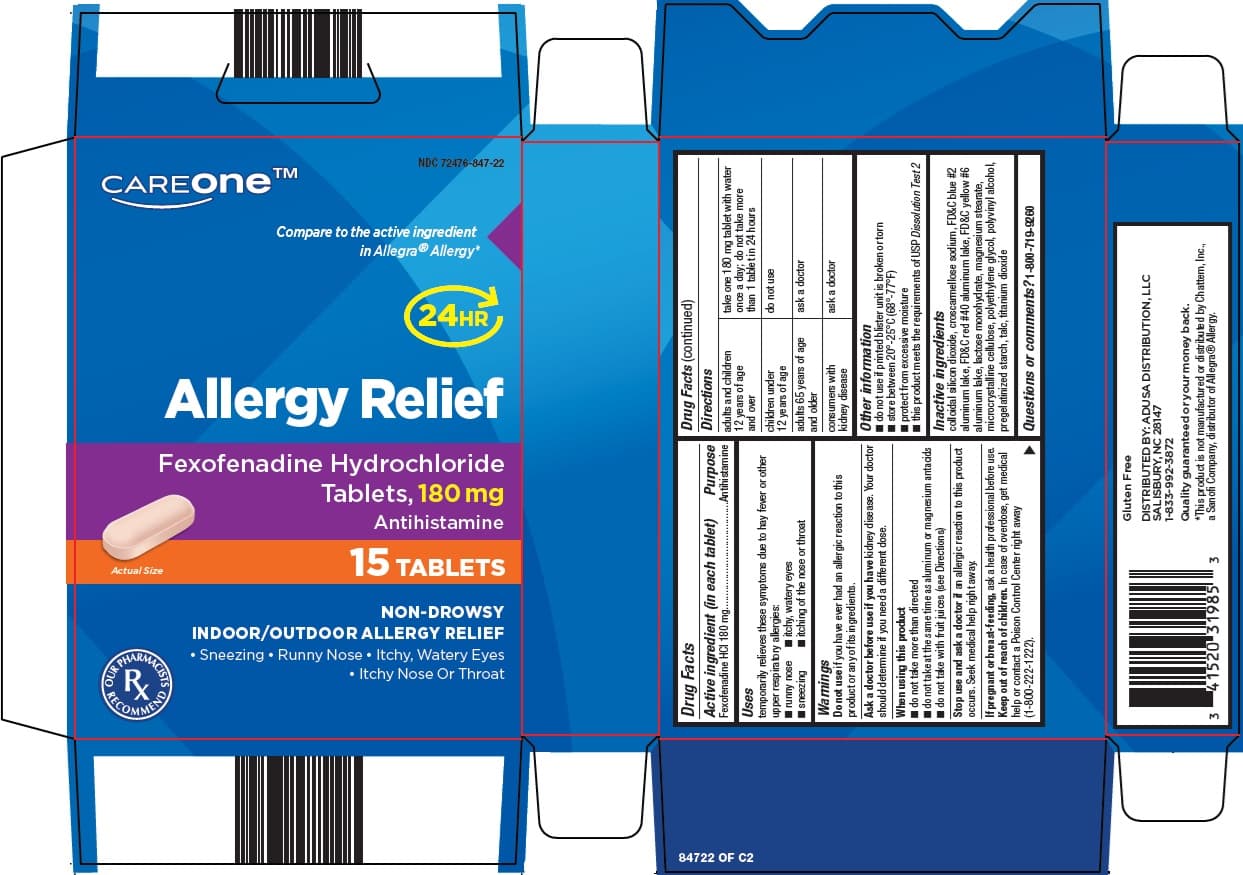
Fexofenadine is an antiallergic agent belonging to the second-generation antihistamines. It is approved for the symptomatic treatment of hay fever and chronic urticaria. Due to its long half-life, once-daily administration is sufficient. Fexofenadine causes drowsiness less frequently than first-generation antihistamines and has no anticholinergic effects. Unlike its predecessor terfenadine (Teldane®), it is not cardiotoxic and has a low potential for drug interactions. Possible adverse effects include hypersensitivity reactions, headache, drowsiness, and fatigue.
Fexofenadine (ATC R06AX26) possesses antihistaminic, antiallergic, anti-inflammatory, and mast cell-stabilizing properties. It does not cross the blood-brain barrier because it is hydrophilic and a substrate of P-glycoprotein. For this reason, it is less sedating than first-generation antihistamines.
Fexofenadine has no anticholinergic effects and is not cardiotoxic like its predecessor terfenadine. It is an inverse and selective antagonist at the H1 receptor, counteracting the effects of histamine and thereby relieving symptoms such as itching, sneezing, runny nose, redness, swelling, and watery eyes.
Mechanism of action of antihistamines, click to enlarge. Illustration © PharmaWiki