This information is for educational purposes only. It is not intended as medical advice. Always consult a qualified healthcare professional.
Keytruda — Description, Dosage, Side Effects | PillsCard
OTC
Keytruda
INN: pembrolizumab
Data updated: 2026-05-12
Available in:
🇨🇿🇩🇪🇬🇧🇫🇷🇵🇹🇷🇺🇸🇰
Form
—
Dosage
—
Route
—
Storage
—
About This Product
User Reviews
Reviews reflect personal experiences and are not medical advice. Always consult your doctor.
Manufacturer
Merck Sharp & Dohme B.V.
ATC Code
L01FF02
Source
EMA · EMEA/H/C/003820
USDailyMed:Pembrolizumab
AU:D
L01FF02(WHO)
AU:S4(Prescription only)CA:℞-only/Schedule DUK:POM(Prescription only)US:℞-onlyEU:Rx-onlyIn general: ℞ (Prescription only)
1374853-91-4
DB09037
none
DPT0O3T46P
D10574
ChEMBL3137343
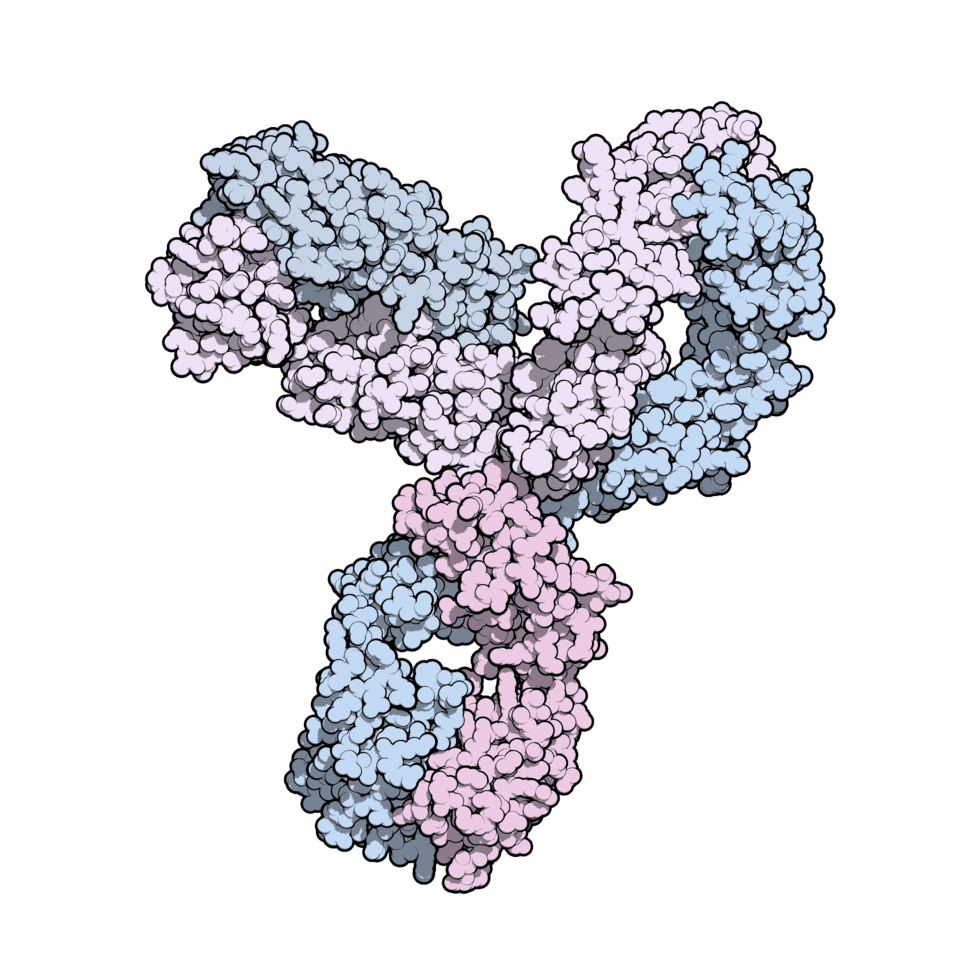
Pembrolizumab, sold under the brand nameKeytruda, is ahumanized monoclonal antibody, more specifically aPD-1 inhibitor, used incancer immunotherapyto treat many types of cancer.It is administered by slowintravenous injection.
Common side effects include fatigue, musculoskeletal pain, decreased appetite, itchy skin, diarrhea, nausea, rash, fever, cough, difficulty breathing, constipation, pain, and abdominal pain.It is an IgG4 isotype antibody that blocks a protective mechanism of cancer cells, allowing the immune system to destroy them. It targets theprogrammed cell death protein 1(PD-1) receptor of lymphocytes.
Pembrolizumab was approved for medical use in the United States in 2014.It is on theWorld Health Organization's List of Essential Medicines.Afixed-dose combinationofpembrolizumab and berahyaluronidase alfa, (Keytruda Qlex) was approved for medical use in the United States in September 2025.
⚠️ Warnings
• Women of reproductive potential are advised to use an effective contraception during the treatment with pembrolizumab and should continue the contraception for at least four months after the last dose of pembrolizumab to avoid pregnancy.
• Breastfeeding mothers should not breastfeed their children during pembrolizumab treatment and for at least four months after stopping pembrolizumab.
• Patients should consult their physician immediately for managing the condition appropriately if any serious side effects, or symptoms and signs of any illnesses occur.
• • A condition of colitis with severe loose stools and stomach pain
• • Hepatitis or symptoms and signs of jaundice with nausea or vomiting
• • Infection of the airways with cough, chest pain, and difficulty in breathing
• • Symptoms and signs of the following
• •
Thyroid disorders
• • Type 1 diabetes
• • Nephritis or swelling of the kidneys
• Administering steroids and hormone replacement therapy can be considered if patients experience any symptoms and signs of pituitary disorders such as
hypopituitarism
or hypophysitis.
• Pembrolizumab can lead to life-threatening infusion-related reactions such as serious allergic reactions along with wheezing, rashes, itching, low blood pressure, and chills. In such cases, the pembrolizumab infusion can be stopped permanently.
• Patients taking pembrolizumab should not receive live vaccines such as BCG, mumps, measles, rubella, and yellow fever during the treatment and for at least six months after the last dose of pembrolizumab because the vaccines may not offer full protection.
• Patients should be given pembrolizumab only in a hospital setting and must be monitored closely particularly during administration to manage any complications.