This information is for educational purposes only. It is not intended as medical advice. Always consult a qualified healthcare professional.
Actos — Description, Dosage, Side Effects | PillsCard
OTC
Actos
30 mg, Tabletki
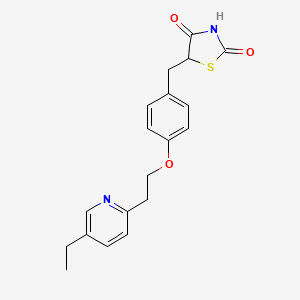
INN: Pioglitazonum
Available in:
🇨🇿🇩🇪🇬🇧🇵🇱🇸🇰🇹🇷
Form
Tabletki
Dosage
30 mg
Route
doustnie
Storage
—
About This Product
Manufacturer
User Reviews
Reviews reflect personal experiences and are not medical advice. Always consult your doctor.
CHEPLAPHARM Arzneimittel GmbH (Niemcy)
Composition
Pioglitazonum 30 mg
ATC Code
A10BG03
Source
URPL
Pharmacotherapeutic group: Drugs used in diabetes, combinations of oral blood glucose lowering drugs
,
ATC code: A10BD05.
Competact combines two antihyperglycaemic active substances with complementary mechanisms of action to improve glycaemic control in patients with type 2 diabetes mellitus: pioglitazone, a member of the thiazolidinedione class and metformin hydrochloride, a member of the biguanide class.
Thiazolidinediones act primarily by reducing insulin resistance and biguanides act primarily by decreasing endogenous hepatic glucose production.
Pioglitazone and metformin combination
The fixed dose combination tablet of pioglitazone 15 mg/metformin 850 mg BID (N=201), pioglitazone 15 mg BID (N=189), and metformin 850 mg BID (N=210) were evaluated in type 2 diabetes mellitus patients with mean baseline HbA
1c
of 9.5% in a randomised double-blind, parallel-group study. Previous anti-diabetic medicinal products were discontinued for 12 weeks prior to baseline measurements. After 24 weeks of treatment, the primary endpoint of mean change from baseline in HbA
1c
was -1.83% in the combination group versus -0.96% in the pioglitazone group (p< 0.0001) and -0.99% in the metformin group (p< 0.0001).
The safety profile seen in this study reflected the known adverse reactions seen with the individual products and did not suggest any new safety issues.
Pioglitazone
Pioglitazone effects may be mediated by a reduction of insulin resistance. Pioglitazone appears to act via activation of specific nuclear receptors (peroxisome proliferator activated receptor gamma) leading to increased insulin sensitivity of liver, fat and skeletal muscle cells in animals. Treatment with pioglitazone has been shown to reduce hepatic glucose output and to increase peripheral glucose disposal in the case of insulin resistance.
Fasting and postprandial glycaemic control is improved in patients with type 2 diabetes mellitus. The improved glycaemic control is associated with a reduction in both fasting and postprandial plasma insulin concentrations. A clinical trial of pioglitazone
vs
. gliclazide as monotherapy was extended to two years in order to assess time to treatment failure (defined as appearance of HbA
1c
≥ 8.0% after the first six months of therapy). Kaplan-Meier analysis showed shorter time to treatment failure in patients treated with gliclazide, compared with pioglitazone. At two years, glycaemic control (defined as HbA
1c
< 8.0%) was sustained in 69% of patients treated with pioglitazone, compared with 50% of patients on gliclazide. In a two-year study of combination therapy comparing pioglitazone with gliclazide when added to metformin, glycaemic control measured as mean change from baseline in HbA
1c
was similar between treatment groups after one year. The rate of deterioration of HbA
1c
during the second year was less with pioglitazone than with gliclazide.
In a placebo controlled trial, patients with inadequate glycaemic control despite a three month insulin optimisation period were randomised to pioglitazone or placebo for 12 months. Patients receiving pioglitazone had a mean reduction in HbA
1c
of 0.45% compared with those continuing on insulin alone, and a reduction of insulin dose in the pioglitazone treated group.
HOMA analysis shows that pioglitazone improves beta cell function as well as increasing insulin sensitivity. Two-year clinical studies have shown maintenance of this effect.
In one year clinical trials, pioglitazone consistently gave a statistically significant reduction in the albumin/creatinine ratio compared to baseline.
The effect of pioglitazone (45 mg monotherapy
vs
. placebo) was studied in a small 18-week trial in type 2 diabetics. Pioglitazone was associated with significant weight gain. Visceral fat was significantly decreased, while there was an increase in extra-abdominal fat mass. Similar changes in body fat distribution on pioglitazone have been accompanied by an improvement in insulin sensitivity. In most clinical trials, reduced total plasma triglycerides and free fatty acids, and increased HDL-cholesterol levels were observed as compared to placebo, with small, but not clinically significant increases in LDL-cholesterol levels. In clinical trials of up to two years duration, pioglitazone reduced total plasma triglycerides and free fatty acids, and increased HDL-cholesterol levels, compared with placebo, metformin or gliclazide. Pioglitazone did not cause statistically significant increases in LDL-cholesterol levels compared with placebo, whilst reductions where observed with metformin and gliclazide. In a 20-week study, as well as reducing fasting triglycerides, pioglitazone reduced postprandial hypertriglyceridaemia through an effect on both absorbed and hepatically synthesised triglycerides. These effects were independent of pioglitazone's effects on glycaemia and were statistically significantly different to glibenclamide.
In PROactive, a cardiovascular outcome study, 5,238 patients with type 2 diabetes mellitus and pre-existing major macrovascular disease were randomised to pioglitazone or placebo in addition to existing antidiabetic and cardiovascular therapy, for up to 3.5 years. The study population had an average age of 62 years; the average duration of diabetes was 9.5 years. Approximately one third of patients were receiving insulin in combination with metformin and/or a sulphonylurea. To be eligible patients had to have had one or more of the following: myocardial infarction, stroke, percutaneous cardiac intervention or coronary artery bypass graft, acute coronary syndrome, coronary artery disease, or peripheral arterial obstructive disease. Almost half of the patients had a previous myocardial infarction and approximately 20% had had a stroke. Approximately half of the study population had at least two of the cardiovascular history entry criteria. Almost all subjects (95%) were receiving cardiovascular medicinal products (beta blockers, ACE inhibitors, angiotensin II antagonists, calcium channel blockers, nitrates, diuretics, acetylsalicylic acid, statins, fibrates).
Although the study failed regarding its primary endpoint, which was a composite of all-cause mortality, non-fatal myocardial infarction, stroke, acute coronary syndrome, major leg amputation, coronary revascularisation and leg revascularisation, the results suggest that there are no long-term cardiovascular concerns regarding use of pioglitazone. However, the incidence of oedema, weight gain and heart failure were increased. No increase in mortality from heart failure was observed.
Metformin
Metformin is a biguanide with antihyperglycaemic effects, lowering both basal and postprandial plasma glucose. It does not stimulate insulin secretion and therefore does not produce hypoglycaemia.
Metformin may act via three mechanisms:
- by reduction of hepatic glucose production by inhibiting gluconeogenesis and glycogenolysis
- in muscle, by modestly increasing insulin sensitivity, improving peripheral glucose uptake and utilisation
- by delaying intestinal glucose absorption.
Metformin stimulates intracellular glycogen synthesis by acting on glycogen synthase. Metformin increases the transport capacity of specific types of membrane glucose transporters (GLUT-1 and GLUT-4).
In humans, independently of its action on glycaemia, metformin has favourable effects on lipid metabolism. This has been shown at therapeutic doses in controlled, medium-term or long-term clinical studies: metformin reduces total cholesterol, LDLc and triglyceride levels.
The prospective randomised (UKPDS) study has established the long-term benefit of intensive blood glucose control in type 2 diabetes mellitus. Analysis of the results for overweight patients treated with metformin after failure of diet alone showed:
- a significant reduction of the absolute risk of any diabetes-related complication in the metformin group (29.8 events/1,000 patient-years) versus diet alone (43.3 events/1,000 patient-years), p=0.0023, and versus the combined sulphonylurea and insulin monotherapy groups
(40.1 events/1,000 patient-years), p=0.0034
- a significant reduction of the absolute risk of any diabetes-related mortality: metformin 7.5 events/1,000 patient-years, diet alone 12.7 events/1,000 patient-years, p=0.017
- a significant reduction of the absolute risk of overall mortality: metformin 13.5 events/1,000 patient-years versus diet alone 20.6 events/1,000 patient-years, (p=0.011), and versus the combined sulphonylurea and insulin monotherapy groups 18.9 events/1,000 patient-years (p=0.021)
- a significant reduction in the absolute risk of myocardial infarction: metformin 11 events/1,000 patient-years, diet alone 18 events/1,000 patient-years, (p=0.01).
Paediatric population
The European Medicines Agency has waived the obligation to submit the results of studies with Competact in all subsets of the paediatric population in type 2 diabetes mellitus. See section 4.2 for information on paediatric use.