This information is for educational purposes only. It is not intended as medical advice. Always consult a qualified healthcare professional.
Rx
Byetta
5 mcg, Roztwór do wstrzykiwań
INN: Exenatidum
Available in:
🇩🇪🇬🇧🇫🇷🇵🇱🇵🇹🇹🇷🇺🇦
Form
Roztwór do wstrzykiwań
Dosage
5 mcg
Route
podskórna
Storage
—
About This Product
User Reviews
Reviews reflect personal experiences and are not medical advice. Always consult your doctor.
Manufacturer
AstraZeneca AB (Szwecja)
Composition
Exenatidum 5 mcg
ATC Code
A10BJ01
Source
URPL
Pharmacotherapeutic group: Drugs used in diabetes, glucagon-like peptide-1 (GLP-1) analogues, ATC code: A10BJ01.
Mechanism of action
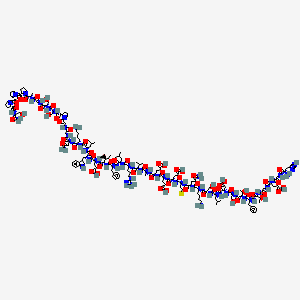
Exenatide is a glucagon-like peptide-1 (GLP-1) receptor agonist that exhibits several antihyperglycaemic actions of glucagon-like peptide-1 (GLP-1). The amino acid sequence of exenatide partially overlaps that of human GLP-1. Exenatide has been shown to bind to and activate the known human GLP-1 receptor
in vitro
, its mechanism of action mediated by cyclic AMP and/or other intracellular signalling pathways.
Exenatide increases, on a glucose-dependent basis, the secretion of insulin from pancreatic beta cells. As blood glucose concentrations decrease, insulin secretion subsides. When exenatide was used in combination with metformin and/or a thiazolidinedione, no increase in the incidence of hypoglycaemia was observed over that of placebo in combination with metformin and/or a thiazolidinedione which may be due to this glucose-dependent insulinotropic mechanism (see section 4.4).
Exenatide suppresses glucagon secretion which is known to be inappropriately elevated in patients with type 2 diabetes. Lower glucagon concentrations lead to decreased hepatic glucose output. However, exenatide does not impair the normal glucagon response and other hormone responses to hypoglycaemia.
Exenatide slows gastric emptying, thereby reducing the rate at which meal-derived glucose appears in the circulation.
Administration of exenatide has been shown to reduce food intake, due to decreased appetite and increased satiety.
Pharmacodynamic effects
Exenatide improves glycaemic control through the sustained effects of lowering both postprandial and fasting glucose concentrations in patients with type 2 diabetes. Unlike native GLP-1, prolonged-release exenatide has a pharmacokinetic and pharmacodynamic profile in humans suitable for once weekly administration.
A pharmacodynamic study with exenatide demonstrated in patients with type 2 diabetes (n = 13) a restoration of first phase insulin secretion and improved second phase insulin secretion in response to an intravenous bolus of glucose.
Clinical efficacy and safety
The results of two studies with Bydureon BCise and six long-term clinical studies of prolonged-release exenatide are presented below; these studies comprised 1766 adult subjects (556 treated with Bydureon BCise), 53% men and 47% women, 304 subjects (17%) were ≥ 65 years of age.
In addition, a double-blind, placebo-controlled cardiovascular outcome study (EXSCEL) enrolled 14,752 adult subjects with type 2 diabetes and any level of CV risk when added to the current usual care.
Glycaemic control
Bydureon BCise
In a 28-week open-label study in adults, Bydureon BCise was compared to immediate-release exenatide in subjects on a diet and exercise programme alone or with a stable regimen of oral glucose-lowering medicinal products. Both treatment groups had a reduction in HbA
1c
compared to baseline. Bydureon BCise demonstrated superiority to immediate-release exenatide in reducing HbA
1c
from baseline to Week 28 (Table 2). The 28-week comparator-controlled period of the study was followed by a 24-week extension period during which all participating subjects received treatment with this medicinal product. The effect on HbA
1c
remained clinically significant over 52 weeks but partially diminished over time in the group that had initially received Bydureon BCise.
Both Bydureon BCise and immediate-release exenatide patients achieved a reduction in weight at Week 28 compared to baseline (Table 2). The difference between the two treatment groups was not significant. The reductions in body weight were sustained at Week 52.
Table 2: Results of one 28-week study of Bydureon BCise versus immediate-release exenatide with diet and exercise alone or with a stable regimen of oral glucose-lowering medicinal products (modified intent-to-treat patients
1
)
Bydureon BCise 2 mg QW
Immediate-release exenatide 10 mcg BID
N
229
146
Mean HbA
1c
(%)
Baseline
8.5
8.5
Change from baseline (± SE)
2
-1.4 (±0.1)
-1.0 (±0.1)
Mean difference in change from baseline versus immediate-release exenatide (95% CI)
2
-0.37*
(-0.63, -0.10)
Patients (%) achieving HbA
1c
<
7%
3
49
43
Mean body weight (kg)
Baseline
97
97
Change from baseline (± SE)
2
-1.5 (±0.3)
-1.9 (±0.4)
Mean difference in change from baseline versus immediate-release exenatide (95% CI)
2
+0.40
(-0.48, 1.28)
Mean change from baseline in fasting plasma glucose (mmol/L) (± SE)
2
-1.8 (±0.2)
-1.3 (±0.3)
Mean difference in change from baseline versus immediate-release exenatide (95% CI)
2
-0.56
(-1.20, 0.08)
QW = once weekly, BID = twice daily, N = number of patients per treatment group, SE = standard error, CI = confidence interval.
*p-value < 0.01.
1
All randomised patients who received at least one dose of study medication.
2
Least squares means.
3
Last Observation Carried Forward (LOCF).
In a 28-week open-label study (oral medication-blinded), Bydureon BCise was compared to sitagliptin and placebo in subjects also using metformin ≥ 1,500 mg daily. Bydureon BCise demonstrated superiority to both sitagliptin and placebo in reducing HbA
1c
from baseline to Week 28 (Table 3).
Both Bydureon BCise and sitagliptin patients achieved a reduction in weight at Week 28 compared to baseline (Table 3). The difference between the two treatment groups was not significant.
Table 3: Results of one 28-week study of Bydureon BCise versus sitagliptin and placebo in combination with metformin (modified intent-to-treat patients
1
)
Bydureon BCise 2 mg QW
Sitagliptin 100 mg QD
Placebo QD
N
181
122
61
Mean HbA
1c
(%)
Baseline
8.4
8.5
8.5
Change from baseline (± SE)
2
-1.1 (± 0.1)
-0.8 (± 0.1)
-0.4 (± 0.2)
Mean difference in change from baseline versus sitagliptin (95% CI)
2
-0.38*
(-0.70, -0.06)
Mean difference in change from baseline versus placebo (95% CI)
2
-0.72**
(-1.15, -0.30)
Patients (%) achieving HbA
1c
< 7%
3
43*
32
25
Mean body weight (kg)
Baseline
89
88
89
Change from baseline (± SE)
2
-1.1 (± 0.3)
-1.2 (± 0.3)
+0.2 (± 0.5)
Mean difference in change from baseline versus sitagliptin (95% CI)
2
+0.07
(-0.73, 0.87)
Mean difference in change from baseline versus placebo (95% CI)
2
-1.27
#
(-2.34, -0.20)
Mean change from baseline in fasting plasma glucose (mmol/L) (± SE)
2
-1.2 (±0.2)
-0.6 (±0.3)
+0.5 (±0.4)
Mean difference in change from baseline versus sitagliptin (95% CI)
2
-0.56
(-1.21, 0.09)
Mean difference in change from baseline versus placebo (95% CI)
2
-1.71
§
(-2.59, -0.83)
QW = once weekly, QD = once daily, N = number of patients per treatment group, SE = standard error, CI = confidence interval.
*p-value < 0.05, **p-value < 0.01,
#
nominal p-value < 0.05,
§
nominal p-value < 0.001.
1
All randomised patients who received at least one dose of study medication.
2
Least squares means.
3
Last Observation Carried Forward (LOCF).
Prolonged-release exenatide
In two studies in adults prolonged-release exenatide 2 mg once weekly has been compared to immediate-release exenatide 5 mcg given twice daily for 4 weeks followed by immediate-release exenatide 10 mcg given twice daily. One study was of 24 weeks in duration (n = 252) and the other of 30 weeks (n = 295) followed by an open labelled extension where all patients were treated with prolonged-release exenatide 2 mg once weekly, for a further 7 years (n = 258). In both studies, decreases in HbA
1c
were evident in both treatment groups as early as the first post-treatment HbA
1c
measurement (Weeks 4 or 6).
Prolonged-release exenatide resulted in a statistically significant reduction in HbA
1c
compared to patients receiving immediate-release exenatide (Table 4).
A clinically relevant effect of prolonged-release exenatide and immediate-release exenatide treated subjects was observed on HbA
1c
, regardless of the background anti-diabetic therapy in both studies.
Clinically and statistically significantly more subjects on prolonged-release compared to immediate-release exenatide patients achieved an HbA
1c
reduction of ≤ 7% or < 7% in the two studies (p < 0.05 and p ≤ 0.0001, respectively).
Both prolonged-release and immediate-release exenatide patients achieved a reduction in weight compared to baseline, although the difference between the two treatment arms was not significant.
In the uncontrolled study extension, evaluable patients who switched from immediate release to prolonged-release exenatide at week 30 (n = 121), achieved the same improvement in HbA
1c
of -2.0% at Week 52 compared to baseline as patients treated with prolonged-release exenatide.
For all patients completing the uncontrolled study extension of 7 years (n = 122 of 258 patients included in the extension phase), HbA
1c
gradually increased over time from week 52 onwards, but was still reduced compared to baseline after 7 years -1.5%). Weight loss was sustained over 7 years in these patients.
Table 4: Results of two studies of prolonged-release versus immediate-release exenatide in combination with diet and exercise alone, metformin and/or sulphonylurea and metformin and/or thiazolidinedione (intent-to-treat patients)
24-Week Study
Prolonged-release exenatide 2 mg
Immediate-release exenatide 10 mcg twice daily
N
129
123
Mean HbA
1c
(%)
Baseline
8.5
8.4
Change from baseline (± SE)
-1.6 (±0.1)**
-0.9 (±0.1)
Mean difference change from baseline between treatments (95% CI)
-0.67 (-0.94, -0.39)**
Patients (%) achieving HbA
1c
<
7%
58
30
Change in fasting plasma glucose (mmol/L)
(± SE)
-1.4 (±0.2)
-0.3 (±0.2)
Mean body weight (kg)
Baseline
97
94
Change from baseline (± SE)
-2.3 (±0.4)
-1.4 (± 0.4)
Mean difference change from baseline between treatments (95% CI)
-0.95 (-1.91, 0.01)
30-Week Study
N
148
147
Mean HbA
1c
(%)
Baseline
8.3
8.3
Change from baseline (± SE)
-1.9 (±0.1)*
-1.5 (±0.1)
Mean difference change from baseline between treatments (95% CI)
-0.33 (-0.54, -0.12)*
Patients (%) achieving HbA
1c
≤
7%
73
57
Change in fasting plasma glucose (mmol/L)
(± SE)
-2.3 (±0.2)
-1.4 (±0.2)
Mean body weight (kg)
Baseline
102
102
Change from baseline (± SE)
-3.7 (±0.5)
-3.6 (±0.5)
Mean difference change from baseline between treatments (95% CI)
-0.08 (-1.29, 1.12)
SE = standard error, CI = confidence interval, * p < 0.05, **p < 0.0001
A study of 26-week duration has been conducted in adults, in which prolonged-release exenatide 2 mg is compared to insulin glargine once daily. Compared with insulin glargine treatment, prolonged-release exenatide demonstrated a superior change in HbA
1c
, significantly lowered mean body weight and was associated with fewer hypoglycaemic events (Table 5).
Table 5: Results of one 26-week study of prolonged-release exenatide versus insulin glargine in combination with metformin alone or metformin and sulphonylurea (intent-to-treat patients)
Prolonged-release exenatide 2 mg
Insulin glargine
1
N
233
223
Mean HbA
1c
(%)
Baseline
8.3
8.3
Change from baseline (± SE)
-1.5 (± 0.1)*
-1.3 (± 0.1)*
Mean difference change from baseline between treatments (95% CI)
-0.16 (-0.29, -0.03)*
Patients (%) achieving HbA
1c
≤
7%
62
54
Change in fasting serum glucose (mmol/L)
(± SE)
-2.1 (± 0.2)
-2.8 (± 0.2)
Mean body weight (kg)
Baseline
91
91
Change from baseline (± SE)
-2.6 (± 0.2)
+1.4 (±0.2)
Mean difference change from baseline between treatments (95% CI)
-4.05 (-4.57, -3.52)*
SE = standard error, CI = confidence interval, * p < 0.05
1
Insulin glargine was dosed to a target glucose concentration of 4.0 to 5.5 mmol/L (72 to 100 mg/dL).
The mean dose of insulin glargine at the beginning of treatment was 10.1 IU/day rising to 31.1 IU/day for insulin glargine-treated patients.
The 156-week results were consistent with those previously reported in the 26-week interim report. Treatment with prolonged-release exenatide persistently significantly improved glycaemic control and weight control, compared to the insulin glargine treatment. Safety findings at 156 weeks were consistent with those reported at 26 weeks.
In a 26-week double-blind study prolonged-release exenatide was compared to maximum daily doses of sitagliptin and pioglitazone in adult subjects also using metformin. All treatment groups had a significant reduction in HbA
1c
compared to baseline. Prolonged-release exenatide demonstrated superiority to both sitagliptin and pioglitazone with respect to change in HbA
1c
from baseline.
Prolonged-release exenatide demonstrated significantly greater weight reductions compared to sitagliptin. Patients on pioglitazone gained weight (Table 6).
Table 6: Results of one 26-week study of prolonged-release exenatide versus sitagliptin and versus pioglitazone in combination with metformin (intent-to-treat patients)
Prolonged-release exenatide
2 mg
Sitagliptin 100 mg
Pioglitazone 45 mg
N
160
166
165
Mean HbA
1c
(%)
Baseline
8.6
8.5
8.5
Change from baseline (± SE)
-1.6 (± 0.1)*
-0.9 (± 0.1)*
-1.2 (± 0.1)*
Mean difference change from baseline between treatments (95% CI) versus sitagliptin
-0.63 (-0.89, -0.37)**
Mean difference change from baseline between treatments (95% CI) versus pioglitazone
-0.32 (-0.57, -0.06)*
Patients (%) achieving HbA
1c
≤ 7%
62
36
49
Change in fasting serum glucose (mmol/L)
(± SE)
-1.8 (± 0.2)
-0.9 (± 0.2)
-1.5 (± 0.2)
Mean body weight (kg)
Baseline
89
87
88
Change from baseline (± SE)
-2.3 (± 0.3)
-0.8 (± 0.3)
+2.8 (± 0.3)
Mean difference change from baseline between treatments (95% CI) versus sitagliptin
-1.54 (-2.35, -0.72)*
Mean difference change from baseline between treatments (95% CI) versus pioglitazone
-5.10 (-5.91, -4.28)**
SE = standard error, CI = confidence interval, *p < 0.05, **p < 0.0001
In a 28-week, double-blind study in adults, the combination of prolonged-release exenatide and dapagliflozin was compared to prolonged-release exenatide alone and dapagliflozin alone in subjects also using metformin. All treatment groups had a reduction in HbA
1c
compared to baseline. The prolonged-release exenatide and dapagliflozin treatment group showed superior reductions in HbA
1c
from baseline compared to prolonged-release exenatide alone and dapagliflozin alone (Table 7).
The combination of prolonged-release exenatide and dapagliflozin demonstrated significantly greater weight reductions compared to either medicinal product alone (Table 7).
Table 7: Results of one 28-week study of prolonged-release exenatide and dapagliflozin versus prolonged-release exenatide alone and dapagliflozin alone, in combination with metformin (intent-to-treat patients)
Prolonged-release exenatide 2 mg QW
+
Dapagliflozin 10 mg QD
Prolonged-release exenatide 2 mg QW
+
Placebo QD
Dapagliflozin 10 mg QD
+
Placebo QW
N
228
227
230
Mean HbA
1c
(%)
Baseline
9.3
9.3
9.3
Change from baseline (±SE)
a
-2.0 (±0.1)
-1.6 (±0.1)
-1.4 (±0.1)
Mean difference in change from baseline between combination and single active medicinal product (95% CI)
-0.38*
(-0.63, -0.13)
-0.59**
(-0.84, -0.34)
Patients (%) achieving HbA
1c
<
7%
45
27
19
Mean change from baseline in fasting plasma glucose (mmol/L)
(±SE)
a
-3.7 (±0.2)
-2.5 (±0.2)
-2.7 (±0.2)
Mean difference in change from baseline between combination and single active medicinal product (95% CI)
-1.12**
(-1.55, -0.68)
-0.92**
(-1.36, -0.49)
Mean change from baseline in 2-hour postprandial plasma glucose (mmol/L)
(±SE)
a
-4.9 (±0.2)
-3.3 (±0.2)
-3.4 (±0.2)
Mean difference in change from baseline between combination and single active medicinal product (95% CI)
-1.54**
(-2.10, -0.98)
-1.49**
(-2.04, -0.93)
Mean body weight (kg)
Baseline
92
89
91
Change from baseline (±SE)
a
-3.6 (±0.3)
-1.6 (±0.3)
-2.2 (±0.3)
Mean difference in change from baseline between combination and single active medicinal product (95% CI)
-2.00**
(-2.79, -1.20)
-1.33**
(-2.12, -0.55)
QW=once weekly, QD=once daily, SE = standard error, CI= confidence interval, N=number of patients.
a
Adjusted least squares means (LS Means) and treatment group difference(s) in the change from baseline values at Week 28 are modelled using a mixed model with repeated measures (MMRM) including treatment, region, baseline HbA1c stratum (< 9.0% or ≥ 9.0%), week, and treatment by week interaction as fixed factors, and baseline value as a covariate.
*p < 0.01, **p < 0.001.
p-values are all adjusted p-values for multiplicity.
Analyses exclude measurements post rescue therapy and post premature discontinuation of study medicinal product.
In a 28-week double-blind study in adults, prolonged-release exenatide added to insulin glargine alone or with metformin was compared to placebo added to insulin glargine alone or with metformin. Insulin glargine was dosed targeting a fasting plasma glucose of 4.0 to 5.5 mmol/L (72 to 99 mg/dL). Prolonged-release exenatide demonstrated superiority to placebo in reducing HbA
1c
from baseline to Week 28 (Table 8).
Prolonged-release exenatide was superior to placebo in reducing body weight at Week 28 (Table 8).
Table 8: Results of one 28-week study of prolonged-release exenatide versus placebo in combination with insulin glargine alone or with metformin (intent-to-treat patients)
Prolonged-release exenatide 2 mg + Insulin glargine
a
Placebo + Insulin glargine
a
N
230
228
Mean HbA
1c
(%)
Baseline
8.5
8.5
Change from baseline (± SE)
b
-1.0 (±0.1)
-0.2 (±0.1)
Mean difference in change from baseline between treatments (95% CI)
-0.74*
(-0.94, -0.54)
Patients (%) achieving HbA
1c
≤
7%
c
33*
7
Mean body weight (kg)
Baseline
94
94
Change from baseline (± SE)
b
-1.0 (±0.3)
0.5 (±0.3)
Mean difference in change from baseline between treatments (95% CI)
-1.52*
(-2.19, -0.85)
Change from baseline in 2-hour postprandial plasma glucose (mmol/L) (± SE)
b,d
-1.6 (±0.3)
-0.1 (±0.3)
Mean difference in change from baseline between treatments (95% CI)
-1.54*
(-2.17, -0.91)
N=number of patients in each treatment group, SE = standard error, CI= confidence interval, *p-value < 0.001 (adjusted for multiplicity).
a.
The LS means change in mean daily insulin dose was 1.6 units for the prolonged-release exenatide group and 3.5 units for the placebo group.
b.
Adjusted LS means and treatment group difference(s) in the change from baseline values at Week 28 are modeled using a mixed model with repeated measures (MMRM) including treatment, region, baseline HbA
1c
stratum (< 9.0% or ≥ 9.0%), baseline SU-use stratum (yes vs. no), week, and treatment by week interaction as fixed factors, and baseline value as a covariate. The absolute change in 2-hour postprandial plasma glucose at Week 28 is modeled similarly using ANCOVA.
c.
All patients with missing endpoint data are imputed as non-responders.
d.
After a standard meal tolerance test.
Analyses exclude measurements post rescue therapy and post premature discontinuation of study medication.
Cardiovascular evaluation
EXSCEL was a pragmatic cardiovascular (CV) outcome study in adult patients with type 2 diabetes and any level of CV risk. A total of 14,752 patients were randomised 1:1 to either prolonged-release exenatide 2 mg once weekly or placebo, added to the current usual care which could include SGLT2 inhibitors. Patients were followed as in routine clinical practice for a median of 38.7 months with a median treatment duration of 27.8 months. The vital status was known at the end of the study for 98.9% and 98.8% of the patients in the prolonged-release exenatide and placebo group, respectively. The mean age at study entry was 62 years (with 8.5% of the patients ≥ 75 years). Approximately 62% of the patients were male. The mean BMI was 32.7 kg/m
2
and the mean duration of diabetes was 13.1 years. The mean HbA
1c
was 8.1%. Approximately 49.3% had mild renal impairment (estimated glomerular filtration rate [eGFR] ≥ 60 to ≤ 89 mL/min/1.73 m
2
) and 21.6% had moderate renal impairment (eGFR ≥ 30 to ≤ 59 mL/min/1.73 m
2
). Overall, 26.9% of patients did not have any prior CV event, 73.1% had at least one prior CV event.
The primary safety (noninferiority) and efficacy (superiority) endpoint in EXSCEL was the time to first confirmed Major Adverse Cardiac Event (MACE): cardiovascular (CV)-related death, nonfatal myocardial infarction (MI) or nonfatal stroke. All-cause mortality was the initial secondary endpoint assessed.
Prolonged-release exenatide did not increase the cardiovascular risk in patients with type 2 diabetes mellitus compared to placebo when added to current usual care (HR:0.91; 95% CI: 0.832, 1.004; P < 0.001 for non-inferiority) see Figure 1. In a pre-specified subgroup analysis in EXSCEL, the HR for MACE was 0.86 (95% CI: 0.77–0.97) in patients with baseline eGFR ≥ 60 mL/min/1.73 m2 and 1.01 (95% CI: 0.86–1.19) in patients with baseline eGFR < 60 mL/min/1.73 m2. The results of the primary composite and secondary cardiovascular endpoints are shown in Figure 2.
Figure 1: Time to First Adjudicated MACE (intent-to-treat patients)
HR=hazard ratio, CI=confidence interval
Figure 2: Forest Plot: Analysis of Primary and Secondary Endpoints (intent-to-treat patients)
ACS=acute coronary syndrome; CI=confidence interval; CV=cardiovascular; HF=heart failure; HR=hazard ratio; MACE=major adverse cardiac event; MI=myocardial infarction; n=number of patients with an event; N=number of patients in treatment group.
1
HR (active/placebo) and CI are based on Cox proportional hazards regression model, stratified by prior CV event, with treatment group only as explanatory variable.
The need for additional antihyperglycaemic medication was reduced by 33% with the prolonged-release exenatide group (exposure-adjusted incidence of 10.5 per 100 pt-year) compared to the placebo group (exposure-adjusted incidence of 15.7 per 100 pt-year). A reduction in HbA
1c
was observed over the course of the trial with an overall treatment difference of -0.53% (prolonged-release exenatide vs. placebo).
Body weight
A reduction in body weight compared to baseline has been observed in studies with prolonged-release exenatide formulations. This reduction in body weight was seen irrespective of the occurrence of nausea although the reduction was larger in the group with nausea (mean reduction of -1.9 kg to -5.2 kg with nausea versus -1.0 kg to -2.9 kg without nausea).
Plasma/serum glucose
Treatment with prolonged-release exenatide resulted in significant reductions in fasting plasma/serum glucose concentrations, these reductions were observed as early as 4 weeks. In the placebo-controlled study with insulin glargine, the change from baseline to Week 28 in fasting plasma glucose was -0.7 mmol/L for the prolonged-release exenatide group and -0.1 mmol/L for the placebo group. Additional reductions in postprandial concentrations were also observed.
For both prolonged-release exenatide formulations, the improvement in fasting plasma glucose concentrations was sustained through 52 weeks.
Beta-cell function
Clinical studies with prolonged-release exenatide formulations have indicated improved beta-cell function, using measures such as the homeostasis model assessments (HOMA-B). The effect on beta-cell function was sustained through 52 weeks.
Blood pressure
A reduction in systolic blood pressure was observed in the studies with prolonged-release exenatide formulations (0.8 mmHg to 4.7 mmHg). In the 30-week immediate-release exenatide comparator study both prolonged-release and immediate-release exenatide significantly reduced systolic blood pressure from baseline (4.7±1.1 mmHg and 3.4±1.1 mmHg, respectively); the difference between the treatments was not significant. Improvements in blood pressure were maintained through 52 weeks.
In the placebo-controlled study with insulin glargine, the change from baseline to Week 28 in systolic blood pressure was -2.6 mmHg for the prolonged-release exenatide group and -0.7 mmHg for the placebo group.
Treatment with prolonged-release exenatide and dapagliflozin combination at Week 28 resulted in a significant mean change reduction of -4.3±0.8 mmHg in systolic blood pressure compared to prolonged-release exenatide alone of -1.2±0.8 mmHg (p < 0.01)
or to dapagliflozin alone of -1.8±0.8 mmHg (p < 0.05).
Fasting lipids
The prolonged-release exenatide formulations have shown no negative effects on lipid parameters.
Paediatric population
The efficacy and safety of prolonged-release exenatide 2 mg once weekly or placebo was evaluated in a randomized, double-blind, placebo-controlled, parallel-group study in adolescents and children aged 10 years and above with type 2 diabetes treated with diet and exercise alone or in combination with a stable dose of oral antidiabetic agents and/or insulin. The prolonged-release exenatide was superior to placebo in reducing HbA
1c
after 24 weeks (Table 9).
Table 9: Results of one 24-week study of prolonged-release exenatide versus placebo in adolescent and paediatric patients aged 10 years and above (intent-to-treat patients)
Prolonged-release exenatide 2 mg
QW
Placebo
QW
Intent-to-Treat Population (N)
58
24
Mean HbA
1c
(%)
Baseline
8.11
8.22
Change from baseline (± SE)
-0.36 (0.18)
0.49 (0.27)
Mean difference change from baseline vs. Placebo (95% CI)
a
-0.85 (-1.51, -0.19)*
Mean fasting plasma glucose (mmol/L)
Baseline
9.24
9.08
Change from baseline (± SE)
-0.29 (0.424)
0.91 (0.63)
Mean difference change from baseline vs. Placebo (95% CI)
b
-1.2 (-2.72, 0.32)
Mean body weight (kg)
Baseline
100.33
96.96
Change from baseline (± SE)
-0.59 (0.67)
0.63 (0.98)
Mean difference change from baseline vs. Placebo (95% CI)
b
-1.22 (-3.59, 1.15)
Proportion achieving HbA
1c
<7.0%
31.0%
8.3%
Proportion achieving HbA
1c
≤6.5%
19.0%
4.2%
Proportion achieving HbA
1c
<6.5%
19.0%
4.2%
*p=0.012
a
Adjusted LS mean and treatment group difference in the change from baseline values at each visit are modeled using a MMRM including treatment group, region, visit, treatment group by visit interaction, baseline HbA
1c
and baseline HbA
1c
by visit interaction as fixed effects, using an unstructured covariance matrix.
b
Adjusted LS mean and treatment group difference in the change from baseline values at each visit are modeled using a MMRM including treatment group, region, visit, treatment group by visit interaction, baseline value, screening HbA
1c
(< 9.0% or ≥ 9.0%), and baseline value by visit interaction as fixed effects, using an unstructured covariance matrix.
⚠️ Warnings
Pre-filled pen is for single-use only.
Patients and caregivers should be trained by their healthcare professional.
The BCise pen must be removed from the refrigerator and rested flat for at least 15 minutes prior to injection. The suspension must be mixed by shaking hard for at least 15 seconds. The suspension should be visually inspected prior to use. The suspension should only be used if it is evenly mixed, white to off-white and cloudy, with no white medicine seen along the side, bottom or top of the pen window. After the suspension is fully mixed, the preparation steps must be completed immediately and the suspension injected subcutaneously. Please see the package leaflet and “Instructions for the User” for additional information on suspension and administration.
The patient should be instructed to discard the pen safely after each injection.
Any unused medicinal product or waste material should be disposed of in accordance with local requirements.