This information is for educational purposes only. It is not intended as medical advice. Always consult a qualified healthcare professional.
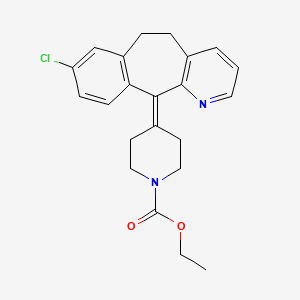
Loratadine is an active substance belonging to the group of second-generation antihistamines, used for the treatment of hay fever, allergic rhinitis, allergic conjunctivitis, and urticaria. Unlike older antihistamines, loratadine causes less drowsiness and has a long duration of action, so it only needs to be taken once daily. The most common possible adverse effects include digestive disorders, pharyngitis, cough, epistaxis, rhinitis, upper respiratory tract infections, fatigue, dizziness, drowsiness, and nausea. Loratadine is a prodrug and is metabolized by CYP3A4 and CYP2D6.
Loratadine (ATC R06AX13) has antihistamine and antiallergic properties and is less sedating than first-generation antihistamines. It is not anticholinergic or cardiotoxic like astemizole or terfenadine. Its effects are based on selective antagonism at histamine H1 receptors.
Mechanism of action of antihistamines, click to enlarge. Illustration © PharmaWiki